Home / Blog
Blog
Articles to answer questions about the health of the whole family, with recommendations and advice from our expert pharmacists.a

What is the best muscle anti-inflammatory?
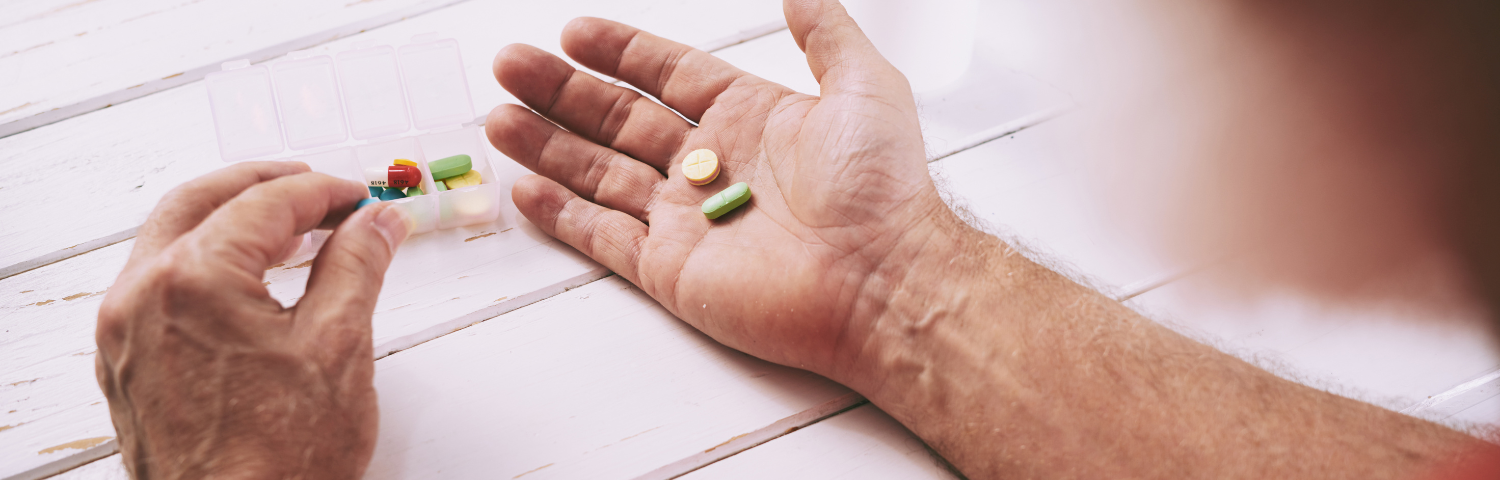
Want to know which is the best muscle anti-inflammatory? Many of the medicines we keep in our homemedicine cabinetwork as muscle anti-inflammatories, such as paracetamol, ibuprofen or classic aspirin. In these cases, they are the most commonly used forminor injuries or muscle paincaused by poor posture during work or study, or resulting from some kind of sports or occasional injury. However, there arespecific muscle anti-inflammatoriesfor this type of pain to make recovery even more manageable while we keep up with our daily routine. When we talk about anti-inflammatories, we usually mean NSAIDs or non-steroidal anti-inflammatory drugs. These are medicines commonly used torelieve paincaused by tissue inflammation, although they are also used to ease some fever symptoms caused by bacterial or viral infections. They are defined as non-steroidal to distinguish NSAIDs from the anti-inflammatories our body naturally produces: the corticosteroids released by our adrenal glands. When we talk about muscle anti-inflammatories, we are referring specifically tothose that act against myalgia, in other words, muscle pain that can have various causes, such as an injury or excessive muscle tension. What they mainly do is reduce inflammation in the muscle tissue, thereby reducing pain. They work by inhibiting the production of prostaglandins, the chemical compounds that trigger inflammatory processes in the body and, at the same time, make us more sensitive to pain. Many muscle anti-inflammatories also contain active ingredients with an analgesic function to further enhance their pain-relieving effects. It is important here to clearlydistinguishan anti-inflammatory from an analgesic, even when some anti-inflammatories include analgesics, as they are still different. An analgesic also has an antithermic and antipyretic function and, although it can also reduce pain, it has no anti-inflammatory effect, so it will only stop us from feeling pain, but it will not reduce the inflammation. In short, an anti-inflammatory can also be an analgesic, but an analgesic is not anti-inflammatory. The first thing to know is that it is always preferablenot to self-medicateand, if you do, you should always follow the instructions for use for each medicine. Do not forget to use these anti-inflammatories properly by taking them in moderation and following the doses and timings indicated in the leaflet. Although many of them come in tablet form, it is also very common to find them as creams or lotions. Acetylsalicylic acid: its use helps to reduce inflammation and relieve pain thanks to its analgesic properties. Although it is commonly used for headaches, it also works as an anti-inflammatory for mild pain. Dexketoprofen: although at high doses it is only available on prescription because it is one of the most powerful anti-inflammatories for severe muscle pain, there is a 25 mg format that can be obtained without a prescription. Ibuprofen: ibuprofen is one of the anti-inflammatories that, in addition to other properties that effectively help with many conditions, also has analgesic properties. Its use helps to relieve pain and muscle inflammation caused by injuries or simply muscle tension in areas such as the back or neck. It can be taken orally (tablets and capsules) or used topically (gels and creams). Naproxen: like ibuprofen, this anti-inflammatory is also very effective for relieving both mild and moderate pain. It is slightly more powerful than ibuprofen, so likewise it is recommended not to exceed the recommended dose. Paracetamol: it works as a muscle pain reliever, although it does not reduce inflammation. It is used more as an analgesic to relieve muscle pain, back pain or headaches, but not for possible injuries. So, what is thebest pharmacy muscle anti-inflammatory? One of the most popular options is usinganti-inflammatory gels and ointmentsto soothe all kinds of muscle pain, whether due to injuries, poor posture or muscle strain. It is a topical diclofenac gel intended for use in adults and children over 14 years old that can be applied up to 2 times a day, every 12 hours. It is also very common to useanti-inflammatory and analgesic medicinestopically. One of the best known is Voltadol, which is used for injuries, knocks or feverish states. Remember that at Farmaciasdirect you canbuy your medicinesat the best price.

Brewer's yeast: what it is, properties and benefits
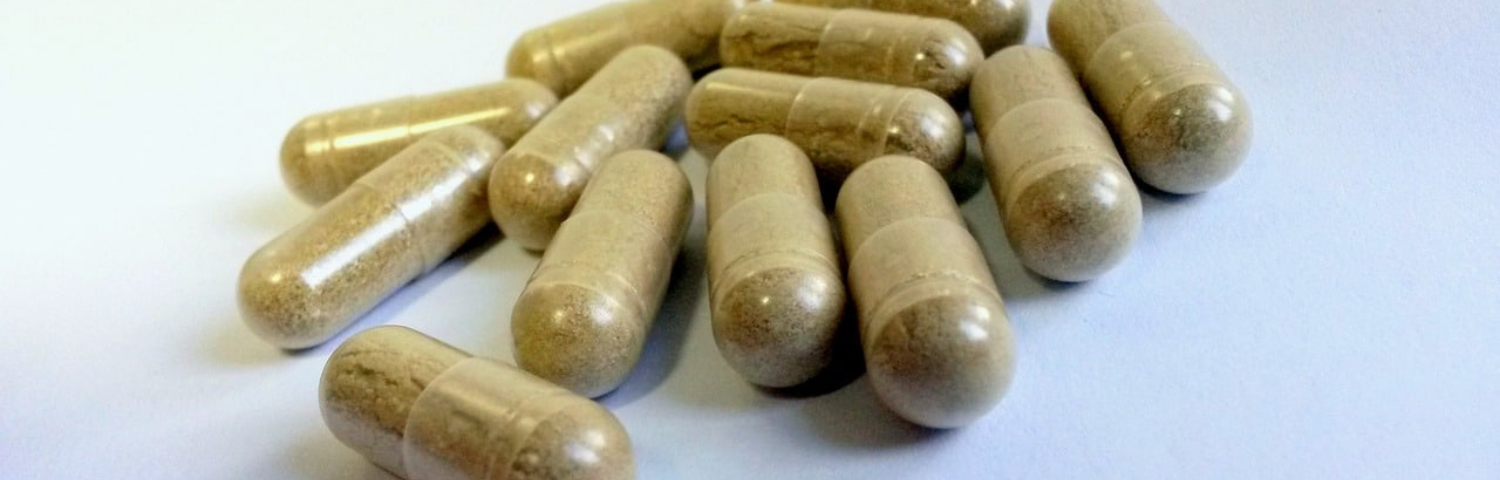
There are still people who wonder what brewer's yeast is and what its properties and contraindications are. That is why we have put together this article, where we provide all the answers on the subject. Let’s take a look! This product is obtained from the fermentation of cereals such as barley or wheat. And for this kind of process to be possible, the collaboration of a microorganism called Saccharomyces cerevisiae is required. Once obtained, the resulting product is dried, cleaned and pasteurised so it can be sold in flakes or powder form. It is also sold in capsules or tablets as a nutritional supplement. On the other hand, it is important to point out that most brewer's yeast sold on the market has undergone a process to remove its original bitter taste. That is why it can be found on the market as debittered yeast. Before explaining what brewer's yeast is used for, it is worth noting that this is an ingredient that must undergo another chemical process. Only in this way can it be used as an active ingredient in other products. During this process, it loses its fermenting capacity, but its nutritional properties are generally retained. The most notable thing about brewer's yeast and its properties is its iron, fibre, mineral, protein and vitamin B content. All this means it can help prevent obesity, improve digestion and support muscle gain. It also helps control cholesterol and blood sugar levels. Despite its benefits, and to avoid side effects, it is advisable to consult a healthcare professional before starting to take it. Your doctor or pharmacist will know the concentration of the product and how to establish a personalised dose. The reason is that it contains purine, and this substance is not recommended for patients who suffer from kidney stones or gout. The many health benefits of brewer's yeast make it a highly recommended supplement. What are they? Due to its content of B-complex vitamins and minerals, brewer's yeast can strengthen the immune system. For this reason, it is very helpful in preventing illnesses such as flu, allergies or psoriasis. The presence of a mineral such as chromium allows it to regulate blood sugar levels. In addition, thanks to its high fibre content, it also can help control insulin levels. However, it is important to note that, in the case of diabetes, it is advisable to consult a doctor before consuming it. Brewer's yeast is considered a probiotic, which, together with its high beta-glucan content, makes it a beneficial food for improving digestion. Likewise, it is useful in the treatment of certain digestive disorders such as diarrhoea, irritable bowel syndrome, colitis and lactose intolerance. In addition, regular consumption may help regulate bowel function. Its beta-glucan content allows it to regulate LDL or bad cholesterol. On the other hand, chromium increases levels of good cholesterol or HDL in the blood. Regular consumption can help improve the appearance of nails and hair, as well as the skin. Its supply of essential nutrients helps combat acne, eczema and psoriasis. In addition, the minerals it contains promote collagen production, which helps keep the skin firm and supple. Does brewer's yeast make you put on weight? The answer to this question is simple: no, it does not. It is worth noting that it is a great support for those who want to lose weight, as it helps regulate appetite. For this purpose, we recommend taking one tablespoon of brewer's yeast half an hour before your main meals. However, it should be remembered that it is not low in calories. Its high carbohydrate and protein content supports muscle recovery and helps prevent injuries during physical activity. It also provides minerals such as calcium, potassium and magnesium in significant amounts. All of them are necessary for muscle function. It is a product that contains essential minerals, vitamin B2 and amino acids that stimulate energy metabolism. This makes it an ideal supplement for people suffering from anaemia, nutritional deficiencies, asthenia or lack of motivation. It supports the functioning of the nervous system, which may help in cases of depression, anxiety or stress. Likewise, regular consumption reduces mental and physical tiredness, providing the right energy for daily life. Among the benefits of brewer's yeast for women's health, the following stand out: Thanks to its high iron content, it helps combat iron-deficiency anaemia and reduces the discomfort of premenstrual syndrome. It acts as a detoxifying and regenerating agent thanks to its richness in B vitamins, improving the condition of the skin, hair and nails. It provides folic acid, which is beneficial for pregnant women or those planning to become pregnant. It helps regulate blood sugar levels, which may be beneficial for women with diabetes or blood sugar control problems. As well as knowing what brewer's yeast is, we should talk about its contraindications and side effects. As a general rule, consuming it is safe, but too much may cause: Headache. Stomach discomfort. Abdominal bloating. Excess intestinal gas. It is important to know that it is not recommended to consume it without the supervision of a healthcare professional during pregnancy or breastfeeding. Nor is it recommended for people with a compromised or weak immune system, or for people with diabetes, in order to avoid hypoglycaemia. In our online shop, you can buy brewer's yeast in different formats: capsules, powder or tablets. When choosing tablets or capsules, the right thing to do is follow each manufacturer's instructions, as directions may vary. However, it is usually recommended to take around six capsules or tablets a day with your main meals. If you choose the powder instead, one or two tablespoons a day will be enough. Likewise, the directions for use on the label should be followed, but it is usually dissolved in a glass of water or added to yoghurts, juice or milk. No, brewer's yeast does not make you put on weight. In fact, it is a perfect food for regulating appetite as it is very filling thanks to its high protein and fibre content. That said, the recommended daily dose should never be exceeded. Although we have already explained what brewer's yeast is, as well as its benefits, side effects and contraindications, if you have any other questions about how to use it, you can contact us so that we can provide more personalised information. Remember that at Farmaciasdirect you will find a wide catalogue of brewer's yeast supplements, at the best price and with exclusive discounts. Bibliography: García, L. (2021). Brewer's yeast: A comprehensive review of its nutritional properties and health benefits. Journal of Nutrition and Dietetics, 28(2), 87-102. Rodríguez, A., & Martínez, J. (2020). Composition and applications of brewer's yeast in the food industry. Journal of Food Science and Technology, 15(1), 45-59. Author, A. (2018). Brewer's yeast and its potential in the prevention of chronic diseases. Journal of Clinical Nutrition, 12(3), 143-157.
What Is the Best Anti-Inflammatory for Haemorrhoids
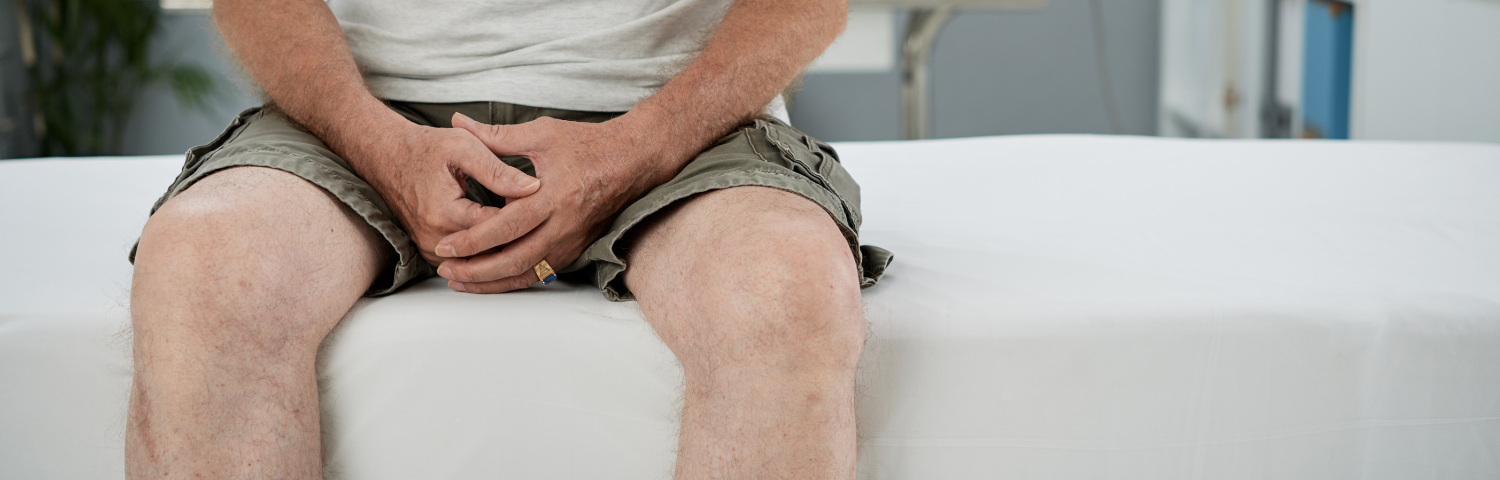
Do you want to know the best anti-inflammatory for haemorrhoids? Anyone can suffer from haemorrhoids at some point in their life. In fact, for many people, haemorrhoid pain is something they tend to live with from time to time. These types of discomfort can actively affect our day-to-day activities. To relieve the pain, there are many creams and tablets that can not only help us cope with the discomfort and irritation caused by the dreaded piles, but also help treat them effectively. Thanks to theanti-inflammatory effect, haemorrhoid creamsare the best option so that, despite their appearance, we can carry on with our daily routine in the best possible way. Anti-inflammatory medicines in tablet form are also very helpful. AtFarmaciasdirectwe explainthe best anti-inflammatory for haemorrhoids, so you can soothe pain and itching. Haemorrhoids, commonly called piles, are veins that swell, in a similar way to varicose veins, in the anus or the lower part of the rectum, depending on which of the two existing types they are. This is a very common problem, which nearly three out of four adults will suffer from at some point. Internal haemorrhoidsare those that form inside the rectum. They are less bothersome than external ones, as they do not usually cause discomfort or pain except when passing a stool, making the process more difficult and with the possibility of bleeding. External haemorrhoidsare found just under the skin around the anus. Their most common symptoms are usually itching or irritation in the area, a feeling of swelling, bleeding and pain or discomfort, as well as discomfort when sitting due to pressure. It is just as important to knowhow to reduce external haemorrhoids quicklyas internal ones. It is also possible for an external haemorrhoid to lead to a clot or thrombus, forming what is known as athrombosed haemorrhoid. These usually cause intense pain, inflammation and a hard lump next to the anus that can be clearly felt, and they are a reason to see a specialist. In any case, it is advisable to see a doctor if the haemorrhoid has not gone away after a week of home care or if the bleeding does not improve either. Although haemorrhoids are very common, especially with age, there are some causes that play a bigger role in their appearance: Spending long periods of time sitting on the toilet Regularly needing to strain to pass a stool Regularly having anal sex Suffering from chronic diarrhoea or constipation Following a low-fibre diet Being obese Pregnancy Frequently making physical efforts or lifting heavy weights To prevent them, then, it will be enough to avoid these situations and take some measures: Follow a fibre-rich diet, such as fruit, whole grains and vegetables. Stay hydrated by drinking between one and a half and two litres of water a day. It is important to mention that alcoholic drinks do not count towards this amount. Do not hold in the urge to go to the toilet whenever you can avoid it. Maintain an active lifestyle, with physical activity and exercise. As soon as the pain appears, generally during the days of maximum inflammation, it will be necessary to use different types of painkillers, which can be taken orally, such as ibuprofen or paracetamol, or used topically in the case of rectal ointments. Among the latter, depending on the type of haemorrhoid, we can distinguish severaltypes of haemorrhoid creams: Soothing and moisturising: to relieve itching and soften the area where the haemorrhoid is located. Anaesthetic: to relieve pain, these types of creams use compounds such as benzocaine or lidocaine to help numb the area. Decongestant: those whose base is usually ephedrine, which works as a powerful vasoconstrictor that helps drain fluid retention and make it gradually reduce in size. Phlebotonic: creams containing centella asiatica or ruscus, which help improve venous flow. Corticosteroids: creams that include topical corticosteroids to help reduce inflammation. However, in this case, a prescription will be required. To reduce haemorrhoid inflammation, it is recommended to applyhaemorrhoid medicinesavailable over the counter to relieve symptoms, whether as a cream, tablets, or suppositories. You can also soak the anal area in warm water a couple of times a day for 10 to 15 minutes. Below, we show you which are thebest products for haemorrhoids. These are some of thebest anti-inflammatories for treating haemorrhoidsmost commonly used: One of the best-known treatments ishaemorrhoid cream medication, which has an anaesthetic action to relieve the pain, itching and burning they cause. Lipogel Rectal is a preventive gel from the Cumlaude brand, which helps both to prevent their appearance at the first signs and to reduce discomfort when they have already appeared. It is an anti-inflammatory and soothing gel that includes an applicator. The most common haemorrhoid tablets include the following active ingredients: Diosmin and hesperidin: two widely used active ingredients whose mechanism of action consists of reducing the dilation of the veins while increasing vascular tone, relieving inflammation and symptoms such as pain, swelling and bleeding. Paracetamol and ibuprofen: They can be used to relieve the pain associated with haemorrhoids. In addition, ibuprofen helps reduce haemorrhoid inflammation. Docusate: this is an active ingredient that works as a laxative, softening stools to reduce straining when passing a stool. There are also over-the-counter medicines intended to reduce haemorrhoid inflammation, a rectal ointment which, like the previous products, is indicated for treating haemorrhoid symptoms. It works through anti-inflammatory, antispasmodic and anaesthetic action and includes an applicator. That is everything aboutthe best anti-inflammatory for haemorrhoids. Remember that you can buy haemorrhoid medicines at the best price at Farmaciasdirect, yourtrusted online pharmacy. Bibliography: Spanish Society of Family and Community Medicine (semFYC). (2020). Guide to haemorrhoid management in primary care. World Health Organization (WHO). (2018). Anorectal diseases: treatments and recommendations. Pérez-Muñoz, J., and García, L. (2019). Pharmacological options for the treatment of haemorrhoids. Revista Iberoamericana de Proctología, 22(3), 112-118. Spanish Ministry of Health. (2021). Recommendations for haemorrhoid management. Spanish Digestive System Foundation (FEAD). (2020). Advice for relieving haemorrhoid symptoms.
What to take for stomach pain?
Not sure what to take for stomach pain? It is very common to associate stomach pain with some kind of discomfort in the abdominal area, where other organs of the digestive system are located and are also responsible for carrying out digestion. Therefore, for this type of pain or discomfort in the area, it is necessary to use the correct medical term:abdominal pain. Generally, pain in the abdominal area does not have to mean anything serious, just anindication of possible indigestionor food intolerance. However, if the discomfort or pain is severe, it is very important to consult a professional so that they can give you a more precise diagnosis. AtFarmaciasdirectwe also haveproducts that relieve these uncomfortable painswithdigestive system medicinesand products designed to prevent them. From our website you can buy medicines from leading pharmaceutical brands without needing to leave home, so they can be delivered quickly and easily to your door. Here is a list of thebest products to take for stomach pain: Sal de fruta Eno. One of thestomach medicinesmost commonly used to get rid of acidity or heartburn in adults and children over 12 years old. It only needs to be dissolved in water and taken after heavy meals or at the first signs of discomfort. Almax Monodosis 500mg. These tablets will help you treat and relieve acidity and heartburn caused by heavy meals or as a symptom of other conditions that create this type of stomach discomfort. This medicine may only be taken from the age of 12. Iberogast Gotas Orales. These drops can help relieve symptoms caused by gastrointestinal disorders such as gastritis or dyspepsia, as well as other symptoms associated with stomach pain. Intended for adults and children from 12 years of age. It is quite possible that this type of pain will disappear naturally after a few hours without the need to use medicines. It is also possible to useover-the-counter medicinessuch as antacids, which help relieve these symptoms while waiting for a more rigorous diagnosis from your doctor. In addition, when this type of pain appears,it is recommendedto: Stay hydrated, especially if it is accompanied by vomiting or diarrhoea. Support digestion by eating bland foods with little seasoning. Avoid drinking alcohol or eating unhealthy fats. Rest and always remain seated or lying down in a comfortable position. To all these recommendations, you can also add the use ofover-the-counter medicinesthat help relieve and eliminate occasional stomach pain, so it does not stop you from carrying out your day-to-day tasks. These medicines come in practical formats that are easy to use and carry with you, such as drops, tablets or coated tablets, and in some cases handy sachets so you can take the exact dose in liquid form. Now that you know what to take for stomach pain, let us better understand the origin of this condition. Stomach pain is usually closely linked tosymptomssuch as: Heartburn Cough Nausea Flatulence Vomiting Colic Bleeding Stress Hernias Constipation There are other possible causes for this type of discomfort in the abdominal area, however, these are some of the most common. The appearance of this type of discomfort can vary greatly. However, taking some of the possible causes from which stomach pain stems as a reference, we can classify it as: Colic: when the pain comes and goes, very likely due to the presence of a foreign body such as kidney stones or gallstones, or simply as the body's reaction to menstruation. Localised pain: when you can identify a specific place within the abdominal area where the pain appears and it is constant. In this case, depending on the area, we can say that, in general: Sharp pain in the pit of the stomach indicates possible gastritis. Pain on the right-hand side may be related to liver inflammation or gallstones. Pain on the left-hand side may indicate possible spleen problems. Pain in the ribs may be caused by inflammation of the gallbladder and the appearance of stones. Pain just below the left side of the chest as a response to a heart disorder. Pain in the lower abdomen may indicate peritonitis. Cramping pain: also known as stomach cramps, it is usually accompanied by diarrhoea, a build-up of gas, abdominal bloating and may even occur alongside a fever. Valdivia Roldán, M. (2011). Gastritis y gastropatías. Revista de gastroenterología del Perú, 31(1), 38-48
Most Viewed Entries



Categories
 stressinsomnia
October 5, 2026
The knock-on effect of a hectic week: accumulated fatigue

October 1, 2026
Seasonal hair loss explained by experts

September 29, 2026
Intimate hygiene after the summer: tips for regaining your wellbeing

September 27, 2026
Adapt your skincare routine for autumn

September 25, 2026
Getting back into the swing of things after the holidays: how to get your sleep routine back on track
 hairhair losshair routine
September 18, 2026
4 questions to ask yourself if you notice increased hair loss
 smiledental health
September 16, 2026
How old is your smile? Habits that take their toll on your dental health

September 14, 2026
How to look after your skin after the summer. 3 steps to restore it
 healthresthealthy habits
Digital detox before bed: the key to a good night’s sleep
FEATURED VIDEOS
Don't miss the advice and recommendations from our pharmacists on YouTube.
Join our big family
Tag us on Instagram using the hashtag #farmaciasdirect and let us know how you’ve got on with our products and advice.