Home / Blog / Health and care / Digital detox before bed: the key to a good night’s sleep
Digital detox before bed: the key to a good night’s sleep

Published:
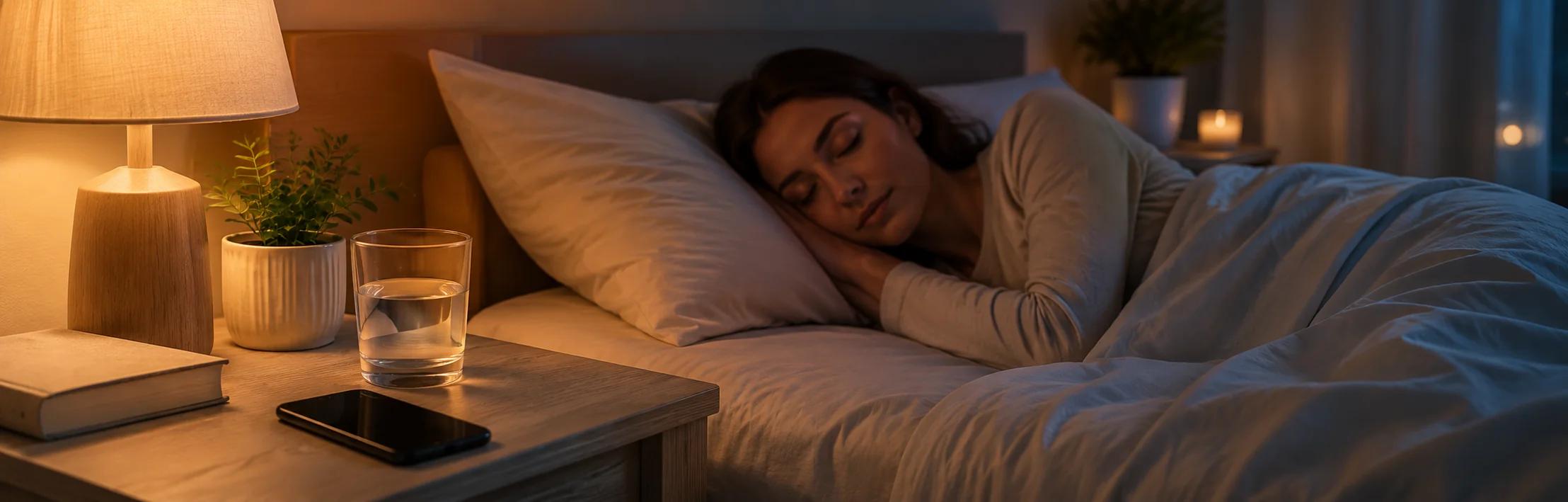
One last look at Instagram, replying to that pending message, checking your emails or watching “just one more episode”. We often get into bed intending to sleep, but our minds remain connected to everything happening behind a screen.
Incorporating a digital detox routine before going to bed can help us create an environment that is more conducive to rest. It is not simply about putting your phone aside, but about teaching your body and mind that the day is over.
If you are looking for how to fall asleep quickly or simple tips for sleeping better, perhaps the first change you need to make is not in your bed, but in what you do during the last hour of the day.
What is a digital detox?
A digital detox involves voluntarily reducing or avoiding the use of electronic devices at certain times of the day, particularly before going to sleep.
Mobile phones, tablets, computers and televisions are part of our daily routine, but staying constantly connected can make it more difficult to transition from a state of activity to one of rest.
Creating a simple routine to disconnect from technology helps establish a clear separation between responsibilities, digital entertainment and bedtime.
Screens and blue light before bed: how do they affect sleep?
Our eyes perceive light as a signal that helps the body regulate the sleep-wake cycle. This is why exposure to a lot of light at night can interfere with the natural signals that prepare the body for sleep.
However, screens and blue light before bed are not the only issue. What we do with our devices also matters.
Replying to messages, checking social media, reading the news or working until the last minute keeps our brains stimulated precisely when they should be starting to relax.
That is why good digital hygiene combines two things: reducing screen exposure and choosing less stimulating activities in the minutes leading up to bedtime.
How long before bed should we put our phones away?
You do not need to completely transform your evenings overnight. You can start by setting aside the final 30–60 minutes before going to bed as a progressively calmer, screen-free period.
More important than sticking to an exact number of minutes is turning it into a habit.
A good idea is to establish a “digital cut-off time”: silence notifications, keep your phone away from the bed and begin a simple routine that you repeat every night.
5 tips for sleeping and disconnecting from technology
1. Keep your phone away from your pillow
Using your phone as an alarm clock makes it very easy to end up checking a notification. If possible, leave it charging away from the bed or even outside the bedroom.
2. Turn on sleep mode
Set “do not disturb” mode to activate automatically from a certain time. Reducing notifications also helps reduce the temptation to constantly check what is happening.
3. Swap scrolling for a ritual
Having a warm shower, reading a few pages of a book, preparing your clothes for the next day or doing relaxation exercises can become signals that we associate with the end of the day.
4. Try to maintain a regular schedule
Going to bed and getting up at roughly the same time helps establish a more consistent sleep routine, including at weekends.
5. Create a bedroom that encourages rest
A dark, quiet, well-ventilated room with a comfortable temperature can help promote better rest. Whenever possible, try to reserve your bed for sleeping rather than working, watching TV series or checking social media.
A night-time routine to help you slow down
If you are not sure where to start, try a simple routine:
60 minutes before bed: finish any outstanding tasks and gradually reduce your use of electronic devices.
30 minutes before bed: put your phone away, dim the lights and choose a relaxing activity.
15 minutes before bed: prepare your bedroom and spend a few minutes reading, breathing calmly or simply relaxing.
Bedtime: lights out and phone out of reach.
Repeating a similar sequence every night helps turn bedtime into a gradual transition, rather than going directly from a stimulating screen to trying to fall asleep.
ZzzQuil and your bedtime routine
Sleep supplements are not a substitute for good habits. That is why, if you use ZzzQuil, it can be useful to incorporate it into a complete bedtime routine in which digital hygiene also plays an important role.
The idea is simple: instead of looking for a single solution to fall asleep quickly, create different signals that tell your body and mind that it is time to rest. Turning off screens, reducing stimulation, preparing your bedroom and maintaining a consistent routine can all form part of this night-time ritual.
Disconnect to rest
We are used to staying available almost until the moment we close our eyes. But getting proper rest also means learning when to bring the day to an end.
Creating a digital detox routine, reducing screen time before bed and adopting small sleep-friendly habits can help you enjoy calmer nights.
Because perhaps one of the best tips for sleeping is also one of the simplest: before you close your eyes, start by turning off the screen.