Home / Blog / Health and care / Intimate hygiene after the summer: tips for regaining your wellbeing
Intimate hygiene after the summer: tips for regaining your wellbeing

Published: 9/26/2026
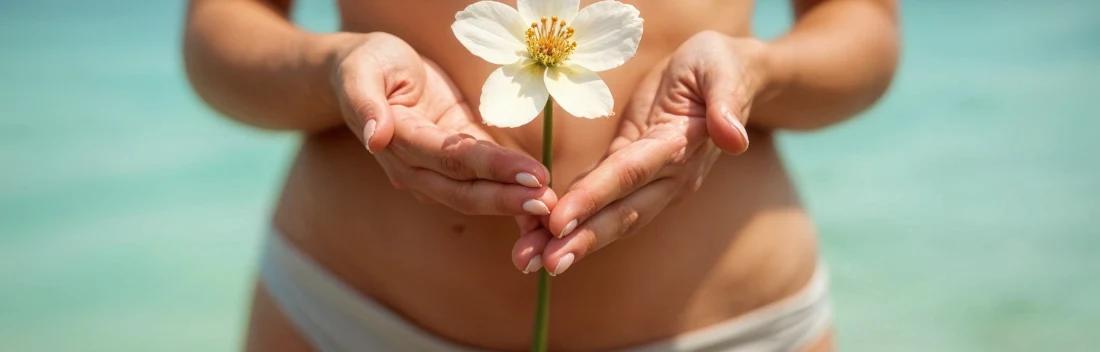
Summer is synonymous with the beach, the swimming pool and spending more time in swimwear, but some of these habits can also take their toll on our intimate area.
That’s why, after the summer, it can be a good time to review our intimate care routines and get back into a routine that respects the natural balance of that area. In this article, we’ll tell you how to do this and what signs you shouldn’t ignore.
Why the intimate area suffers more after the summer
Heat, sweat, humidity or spending too long in a wet swimsuit, as well as more frequent swimming in pools or wearing tighter or less breathable clothing, are factors that can lead to issues such as irritation, itching or a feeling of discomfort in the intimate area.
During this time of year, the combination of humidity, heat and friction can make the skin in the vulvar area more sensitive and more prone to irritation. Furthermore, certain hygiene habits or frequent contact with chlorinated water can contribute to an increased feeling of dryness or discomfort in some women.
For this reason, after the summer it is important to pay renewed attention to hygiene and care habits in the intimate area, avoiding both insufficient and excessive cleansing and using suitable products that respect the characteristics of this area.
Bacterial flora and intimate pH: why is it important to maintain its balance?
The vagina naturally harbours a microbiota that helps to maintain an acidic environment and inhibit the growth of certain microorganisms.
For this reason, care should be taken to avoid practices that could upset this balance, such as vaginal douching or excessive washing. The external intimate area, or vulva, on the other hand, can be washed daily using water and, if desired, a specific product designed for this area, such as Eucerin pH5 Intimate Hygiene Gel, which we detail at the end of this post.
Vaginal irritation: causes and signs to look out for
Occasional irritation may be linked to friction, moisture, certain hygiene products or clothing, as we have mentioned. However, if you experience severe itching, changes in discharge, an unpleasant odour, pain, lesions or persistent discomfort, these may indicate another problem and require specialist medical assessment.
5 tips for looking after your intimate area after the summer and maintaining women’s intimate health
- Avoid staying in damp clothing for too long. After swimming, try to change out of your wet swimwear and opt for breathable garments that reduce dampness and chafing.
- Maintain good hygiene, but don’t overdo it. Excessive cleaning or douching, as mentioned, can disrupt the natural balance of the area. Remember that hygiene should focus on the external intimate area.
- Use specific, gentle products. Avoid heavily perfumed or potentially irritating products and choose formulas tailored to the characteristics of the intimate area, such as Eucerin pH5 Intimate Hygiene Gel.
It is formulated with gentle ingredients that gently cleanse the area whilst maintaining the natural microflora, as well as lactic acid, which maintains the natural optimal pH, and bisabolol, which provides anti-irritant and anti-inflammatory benefits. It is suitable for even the most sensitive skin, including in cases of vaginal yeast infection, providing comfort and soothing relief.
- Gently pat the area dry and avoid friction. After washing, pat the area dry thoroughly with light, gentle strokes, without rubbing.
- Be aware of any changes to the symptoms mentioned. If you experience severe or persistent itching, changes in discharge, an unpleasant odour, pain, discomfort when urinating or recurring episodes, consult a healthcare professional to determine the cause before starting any self-administered treatment.