Home / Blog / Health and care / Getting back into the swing of things after the holidays: how to get your sleep routine back on track
Getting back into the swing of things after the holidays: how to get your sleep routine back on track

Published: 9/25/2026
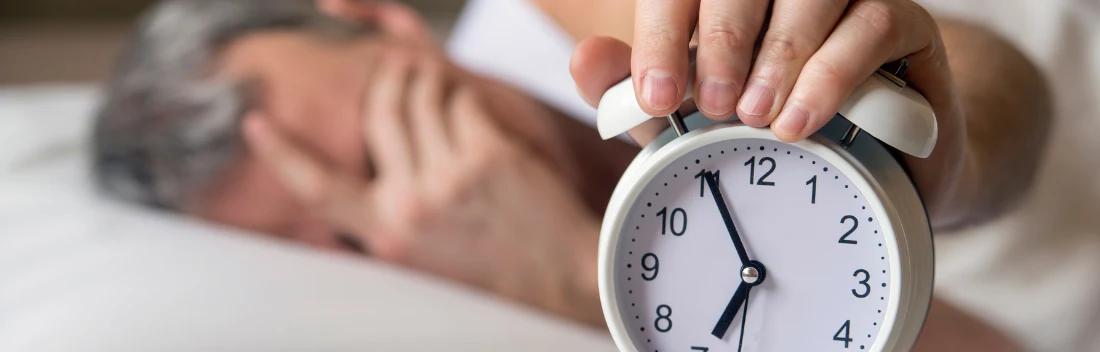
You’ve just come back from holiday and, between the change in routines, sleep patterns and the fact that the days are still long, it feels like bedtime never comes. And you’ve got to get up early tomorrow!
September is a month of adjustment, as your body needs time to get used to work hours, responsibilities and the fast pace of everyday life again. That’s why it’s common to experience difficulty sleeping, a lack of concentration and lower energy levels, which can affect both your work performance and your personal wellbeing.
The good news is that there are simple tips to help you get a good night’s sleep and maintain your energy levels throughout the day – known as sleep hygiene. In this article, we’ll explain how to improve your night’s rest so you’re better prepared for returning to work and getting back into your routine.
Why is it so hard to get back into the swing of things after the holidays?
During the holidays, we tend to go to bed and get up later, take long naps or, in short, change our sleep routines. On top of this, there are other unfavourable factors such as:
- Work-related stress after returning to work.
- Changes in light exposure: goingto bed and getting up later during the holidays, combined with increased exposure to light and screens at night, can disrupt the signals that regulate our circadian rhythm and make it harder to return to our usual schedule.
- Heavy or very late dinners, due to a lack of time or excessive work, which make it difficult to fall asleep.
The result is light or insufficient sleep, which has a direct impact on our energy levels, mood and ability to concentrate.
What is sleep hygiene and why is it key when returning to work?
Sleep hygiene encompasses the whole range of healthy habits and behaviours that promote adequate, high-quality night-time rest. Therefore, a good night’s sleep does not depend solely on sleeping for a certain number of hours, but on maintaining routines that help our bodies recognise when it is time to be active and when it is time to prepare for rest.
After the holidays, getting back into these habits is particularly important, as changes in timetables may have temporarily disrupted our circadian rhythm – the internal clock that regulates sleep and wake cycles, amongst other processes.
Light, mealtimes, physical activity and the time we go to bed all act as signals for this internal clock. That is why regaining a certain degree of regularity will be one of the first steps towards sleeping well again.
How to get back into your sleep routine step by step
Getting back into a sleep routine after the holidays doesn’t have to happen overnight. Ideally, you should gradually introduce some changes to help your body resynchronise its rhythms, such as:
1. Set a regular sleep schedule
Try to go to bed and get up at roughly the same time every day, including at the weekend.
2. Prepare your body for sleep
During the last few hours of the day, try to gradually wind down: cut down on screen time, avoid working just before bed, and replace these habits with more relaxing ones such as reading, listening to music or doing relaxation exercises like yoga or meditation.
3. Opt for light evening meals
Also, whenever possible, leave a few hours between dinner and your bedtime. It’s also a good idea to limit stimulants such as caffeine in the afternoon and evening, as they can make it harder to fall asleep or reduce the quality of your sleep.
4. Take part in physical activity
Regular physical activity during the day can also help you sleep better. However, avoid exercising within 3 or 4 hours of going to bed.
5. Create a relaxing environment
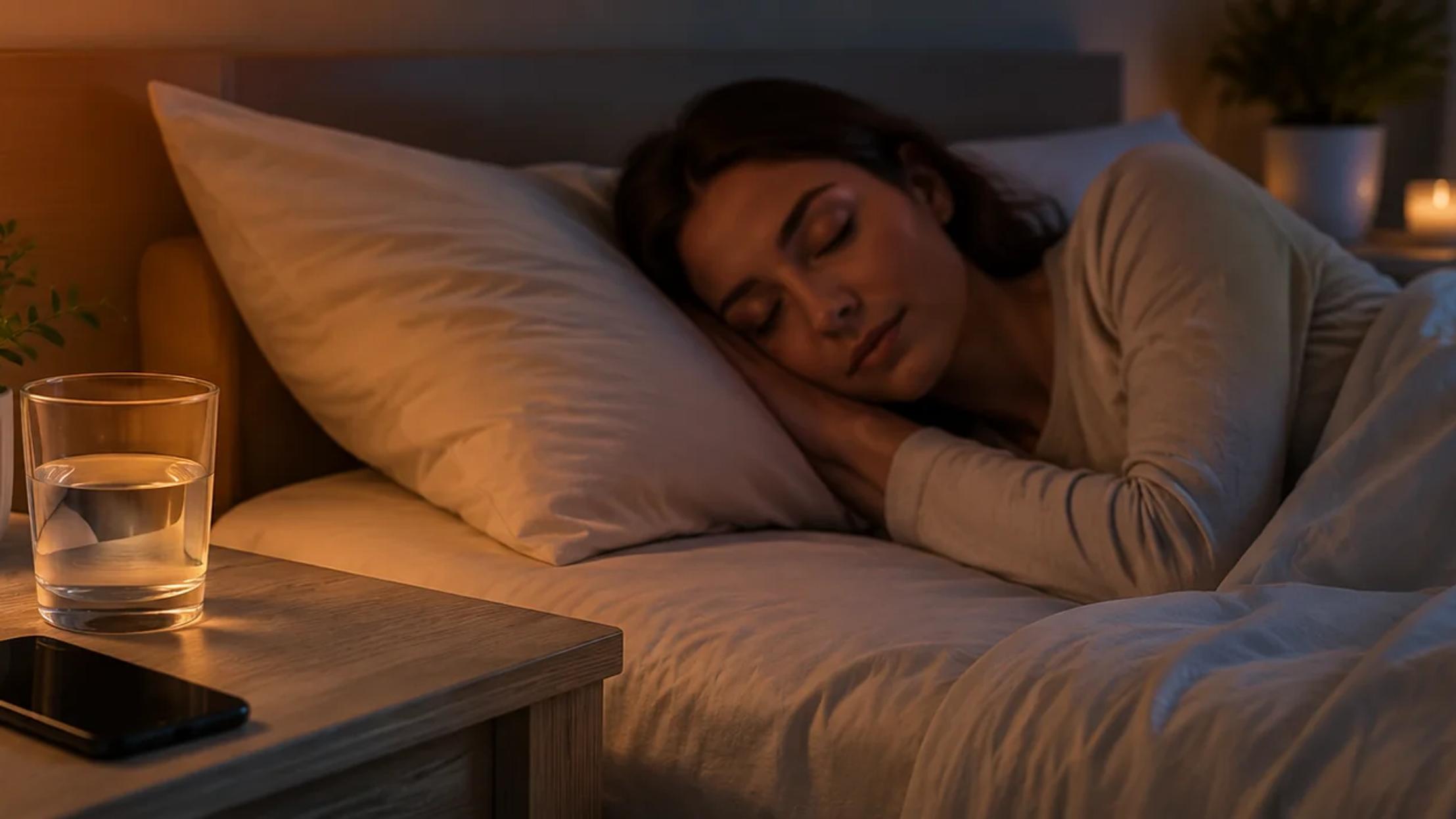
A dark, cool, quiet, well-ventilated room at a comfortable temperature can help you both fall asleep and stay asleep.
Insomnia and sleep disorders: when to take notice
As we’ve mentioned, it’s normal to find it harder to fall asleep or get up in the morning during the first few days of getting back into a routine, due to this adjustment period. However, we should take note when sleeping difficulties persist over time, occur frequently or start to affect us during the day.
Some signs that may indicate the problem goes beyond a temporary adjustment include:
- Frequent difficulty falling asleep or staying asleep.
- Repeated waking during the night or waking up too early.
- Feeling as though you haven’t had a proper rest upon waking.
- Tiredness or drowsiness during the day.
- Irritability, mood swings or difficulty concentrating.
- Sleep deprivation beginning to interfere with work or daily activities.
In these cases, particularly if the problem persists, it is advisable to consult a healthcare professional to assess the cause and determine the most appropriate course of action
Melatonin: what it is and when it can help
As well as maintaining healthy habits, there are now natural supplements that can help us restore our sleep patterns, improve the quality of our rest and get back into a healthy routine. Among the most commonly used is melatonin, a hormone produced naturally by our bodies that plays a key role in regulating the sleep-wake cycle.
It can be found in products such as ZzzQuil Natura, melatonin-infused sweets , which help to reduce the time it takes to fall asleep naturally, without causing drowsiness the following day. Furthermore, its formula combines vitamin B6, which helps reduce tiredness and fatigue, with extracts of valerian, chamomile and lavender, which promote relaxation and help prepare the body for rest.
It is important to remember that melatonin is no substitute for good sleep habits, such as those discussed in this post. Maintaining regular schedules, reducing screen time before bed, making the most of natural light during the day and taking care of our sleeping environment should remain the foundation for regaining a healthy sleep routine.