
Home / Blog / Health and care / What Is the Best Anti-Inflammatory for Haemorrhoids
What Is the Best Anti-Inflammatory for Haemorrhoids

Last updated: 11/29/2024
· Published: 9/26/2022
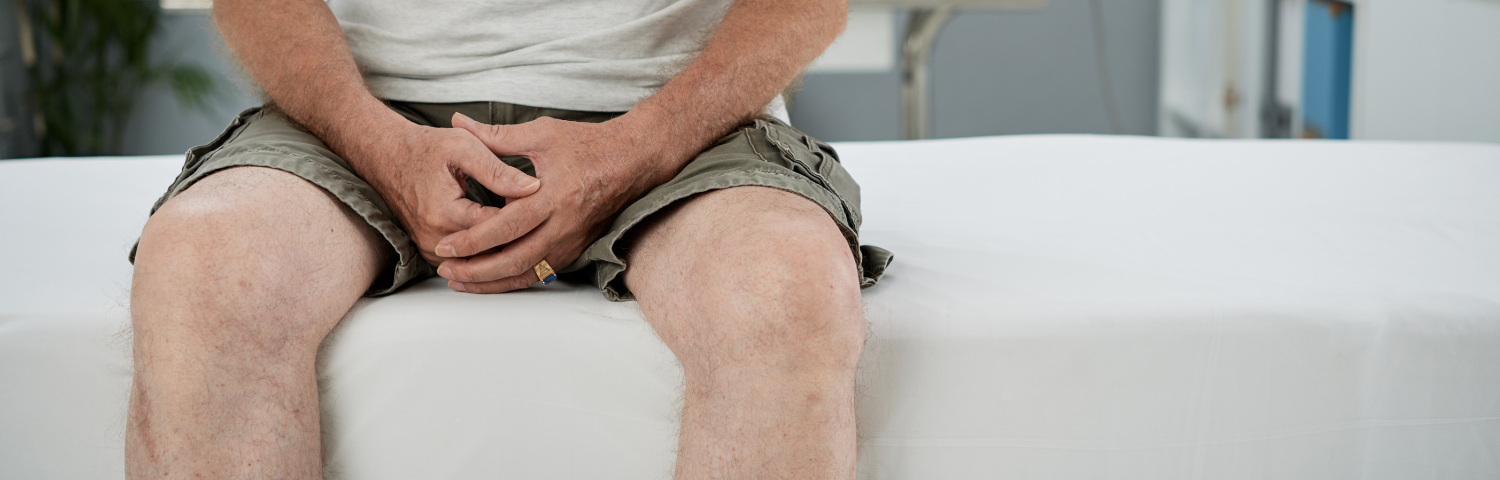
Do you want to know the best anti-inflammatory for haemorrhoids? Anyone can suffer from haemorrhoids at some point in their life. In fact, for many people, haemorrhoid pain is something they tend to live with from time to time.
These types of discomfort can actively affect our day-to-day activities. To relieve the pain, there are many creams and tablets that can not only help us cope with the discomfort and irritation caused by the dreaded piles, but also help treat them effectively.
Thanks to theanti-inflammatory effect, haemorrhoid creamsare the best option so that, despite their appearance, we can carry on with our daily routine in the best possible way. Anti-inflammatory medicines in tablet form are also very helpful.
AtFarmaciasdirectwe explainthe best anti-inflammatory for haemorrhoids, so you can soothe pain and itching.
What are haemorrhoids?
Haemorrhoids, commonly called piles, are veins that swell, in a similar way to varicose veins, in the anus or the lower part of the rectum, depending on which of the two existing types they are. This is a very common problem, which nearly three out of four adults will suffer from at some point.
Types of haemorrhoids
- Internal haemorrhoidsare those that form inside the rectum. They are less bothersome than external ones, as they do not usually cause discomfort or pain except when passing a stool, making the process more difficult and with the possibility of bleeding.
- External haemorrhoidsare found just under the skin around the anus. Their most common symptoms are usually itching or irritation in the area, a feeling of swelling, bleeding and pain or discomfort, as well as discomfort when sitting due to pressure. It is just as important to knowhow to reduce external haemorrhoids quicklyas internal ones.
It is also possible for an external haemorrhoid to lead to a clot or thrombus, forming what is known as athrombosed haemorrhoid. These usually cause intense pain, inflammation and a hard lump next to the anus that can be clearly felt, and they are a reason to see a specialist.
In any case, it is advisable to see a doctor if the haemorrhoid has not gone away after a week of home care or if the bleeding does not improve either.
Causes of haemorrhoids
Although haemorrhoids are very common, especially with age, there are some causes that play a bigger role in their appearance:
- Spending long periods of time sitting on the toilet
- Regularly needing to strain to pass a stool
- Regularly having anal sex
- Suffering from chronic diarrhoea or constipation
- Following a low-fibre diet
- Being obese
- Pregnancy
- Frequently making physical efforts or lifting heavy weights
How to prevent haemorrhoids
To prevent them, then, it will be enough to avoid these situations and take some measures:
- Follow a fibre-rich diet, such as fruit, whole grains and vegetables.
- Stay hydrated by drinking between one and a half and two litres of water a day. It is important to mention that alcoholic drinks do not count towards this amount.
- Do not hold in the urge to go to the toilet whenever you can avoid it.
- Maintain an active lifestyle, with physical activity and exercise.
How to relieve haemorrhoid pain
As soon as the pain appears, generally during the days of maximum inflammation, it will be necessary to use different types of painkillers, which can be taken orally, such as ibuprofen or paracetamol, or used topically in the case of rectal ointments.
Featured products


Among the latter, depending on the type of haemorrhoid, we can distinguish severaltypes of haemorrhoid creams:
- Soothing and moisturising: to relieve itching and soften the area where the haemorrhoid is located.
- Anaesthetic: to relieve pain, these types of creams use compounds such as benzocaine or lidocaine to help numb the area.
- Decongestant: those whose base is usually ephedrine, which works as a powerful vasoconstrictor that helps drain fluid retention and make it gradually reduce in size.
- Phlebotonic: creams containing centella asiatica or ruscus, which help improve venous flow.
- Corticosteroids: creams that include topical corticosteroids to help reduce inflammation. However, in this case, a prescription will be required.
What is good for haemorrhoids?
To reduce haemorrhoid inflammation, it is recommended to applyhaemorrhoid medicinesavailable over the counter to relieve symptoms, whether as a cream, tablets, or suppositories.
You can also soak the anal area in warm water a couple of times a day for 10 to 15 minutes. Below, we show you which are thebest products for haemorrhoids.
The best anti-inflammatory for haemorrhoids
These are some of thebest anti-inflammatories for treating haemorrhoidsmost commonly used:
Haemorrhoid ointment
One of the best-known treatments ishaemorrhoid cream medication, which has an anaesthetic action to relieve the pain, itching and burning they cause.
Lipogel Rectal is a preventive gel from the Cumlaude brand, which helps both to prevent their appearance at the first signs and to reduce discomfort when they have already appeared. It is an anti-inflammatory and soothing gel that includes an applicator.
Tablets to reduce haemorrhoid inflammation
The most common haemorrhoid tablets include the following active ingredients:
- Diosmin and hesperidin: two widely used active ingredients whose mechanism of action consists of reducing the dilation of the veins while increasing vascular tone, relieving inflammation and symptoms such as pain, swelling and bleeding.
- Paracetamol and ibuprofen: They can be used to relieve the pain associated with haemorrhoids. In addition, ibuprofen helps reduce haemorrhoid inflammation.
- Docusate: this is an active ingredient that works as a laxative, softening stools to reduce straining when passing a stool.
Rectal medicine to reduce inflammation
There are also over-the-counter medicines intended to reduce haemorrhoid inflammation, a rectal ointment which, like the previous products, is indicated for treating haemorrhoid symptoms. It works through anti-inflammatory, antispasmodic and anaesthetic action and includes an applicator.
That is everything aboutthe best anti-inflammatory for haemorrhoids. Remember that you can buy haemorrhoid medicines at the best price at Farmaciasdirect, yourtrusted online pharmacy.
Bibliography:
- Spanish Society of Family and Community Medicine (semFYC). (2020). Guide to haemorrhoid management in primary care.
- World Health Organization (WHO). (2018). Anorectal diseases: treatments and recommendations.
- Pérez-Muñoz, J., and García, L. (2019). Pharmacological options for the treatment of haemorrhoids. Revista Iberoamericana de Proctología, 22(3), 112-118.
- Spanish Ministry of Health. (2021). Recommendations for haemorrhoid management.
- Spanish Digestive System Foundation (FEAD). (2020). Advice for relieving haemorrhoid symptoms.