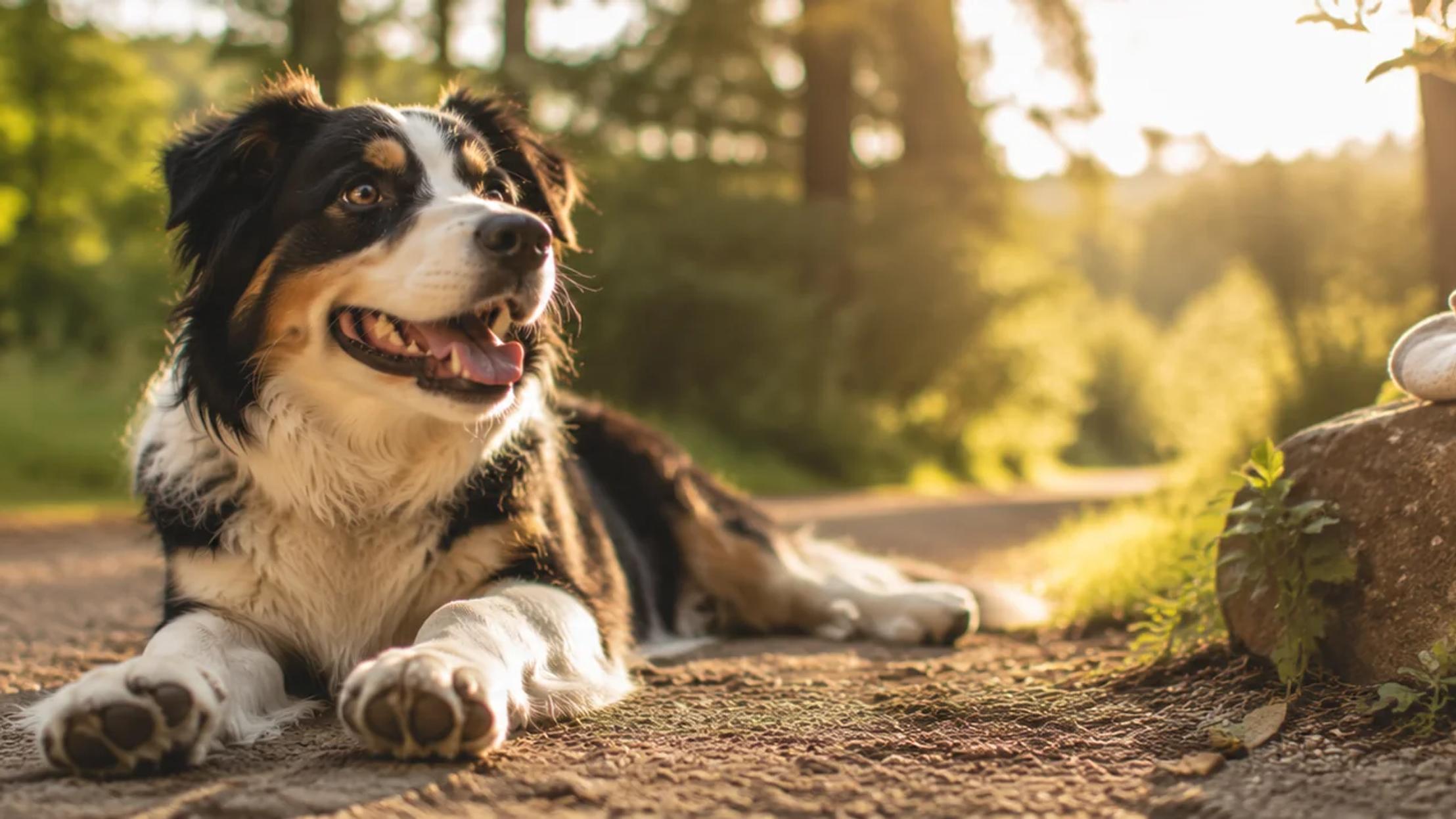
Tips to help your dog cope with stress after the holidays

Published: 9/11/2026
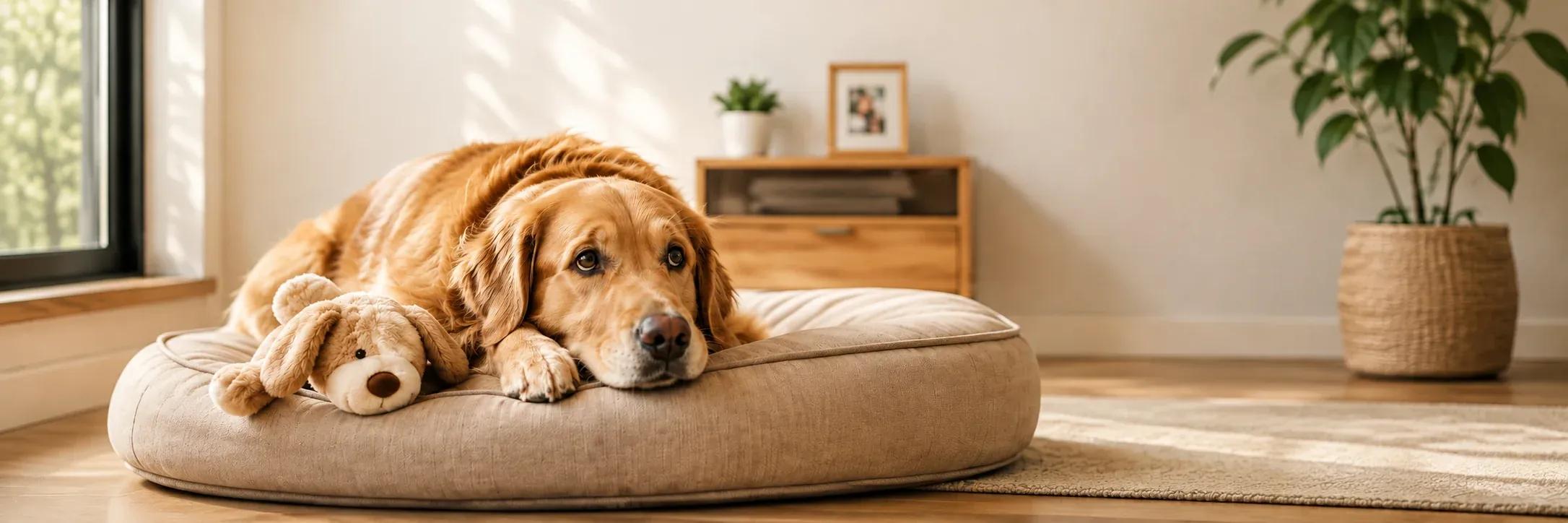
September means getting back into a routine, returning to work and spending more time away from home. And this change in routine can also affect our pets. After weeks of spending more time together, going for walks and enjoying family outings, you may notice that your dog is stressed or behaving differently.
How can we help them gradually get back to normal?
Stress in dogs: symptoms and treatment
Sudden changes to a dog’s routine are one of the possible causes of stress. Some signs of a stressed dog may include increased restlessness, barking, changes in appetite, constantly seeking attention, sleep disturbances or behaviours that were not previously typical.
If you’re looking for information on the symptoms and treatment of stress in dogs, the first step is to observe when these changes occur and whether they coincide with a return to your usual routine. If they’re severe, persistent or significantly affect your dog’s wellbeing, it’s advisable to consult your vet.
How to help a dog cope with stress after the holidays
Gradually re-establish their routine
To calm a stressed dog, try to re-establish regular routines for meals, walks, rest and play. Predictability can help them readjust to their daily life.
Make time for activity and companionship
Returning to work doesn’t mean suddenly cutting out all shared activities. Set aside time for walks, play and physical and mental stimulation, especially before and after they’ve spent several hours on their own.
Featured products


Keep an eye out for any changes in their diet
Appetite can also change in stressful situations. SureFeed smart feeders, from Sure Petcare, can be useful for better managing feeding routines.
SureFeed Connect lets you see how much your pet eats, how often and at what times of day, making it easier to spot any changes from their usual pattern. It also uses a microchip or an RFID tag to ensure each pet can access its own food, which is particularly handy in households with several pets.
Extra support during times of stress
During periods of adjustment , we can also turn to specific solutions such as Botanicapets Stress Off, a dietary supplement formulated with ingredients such as passionflower, lemon balm, hawthorn, green tea and L-tryptophan to promote calm in situations of occasional stress.
The range also includes Stress Off Spray, which can be applied to your pet’s bed, carrier or toys to help them cope with situations they may find stressful.
Back to the routine – for them too
Knowing how to help a dog cope with stress involves, above all, observing their behaviour and gradually restoring a predictable routine.
Sticking to their usual timetable, ensuring they get enough exercise, managing any changes to their diet and providing a calm environment can make September much easier for them too.
And remember: if the signs of stress in dogs are severe, appear suddenly or persist over time, consult your vet to rule out other problems and assess the best way to help your pet.