Home / Blog / Veterinary Pharmacy / Diarrhoea in dogs and cats: the most common digestive problems and how to relieve them
Diarrhoea in dogs and cats: the most common digestive problems and how to relieve them

Published: 10/29/2026
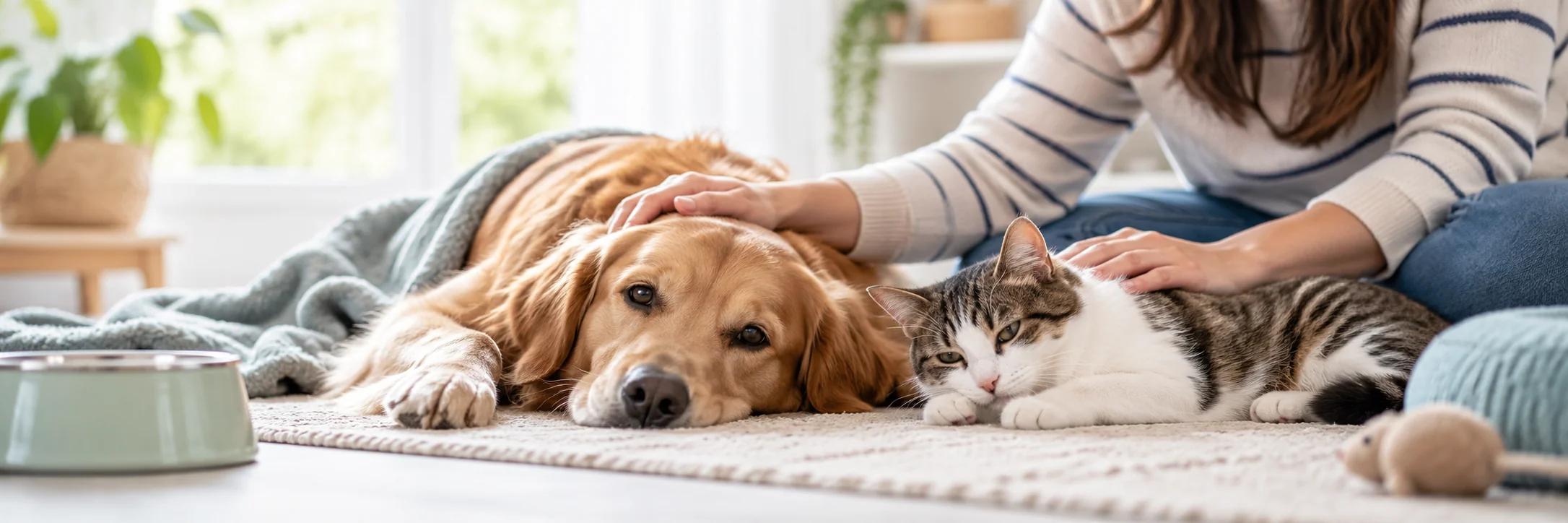
Digestive problems are relatively common in dogs and cats. A change in diet, eating something they shouldn’t have, stress or certain gastrointestinal disorders can cause symptoms such as diarrhoea, flatulence, vomiting or loss of appetite.
Diarrhoea in dogs and cats is not a disease in itself but rather a symptom that can have various causes. In many cases, these are mild, one-off episodes, but it is important to know how to respond and to recognise the signs that indicate your pet needs veterinary care.
We’ll tell you about the most common digestive problems and what care can help aid their recovery.
Why do dogs and cats get diarrhoea?
Loose or watery stools can be caused by a variety of factors. Some of the most common are:
- Sudden changes in diet.
- Eating spoiled food or food scraps.
- Eating too quickly or in excess.
- Food intolerances or sensitivities.
- Stress or changes in the environment.
- Intestinal parasites.
- Infections.
- Certain medicines.
- Changes in the gut microbiota.
In dogs, it is also relatively common for diarrhoea to occur after they have eaten something whilst out on a walk, rummaged through the rubbish or been given food other than their usual diet.
In cats, changes in diet, stressful situations or digestive problems may also be a factor; these should be assessed, particularly if symptoms persist.
Diarrhoea in dogs: when might it be a one-off problem?
A single episode of diarrhoea in dogs does not always indicate a serious problem.
If the dog continues to behave as usual, drinks water, does not vomit continuously and its stools begin to return to normal, it may simply be a mild digestive upset.
However, it is advisable to monitor how the situation develops.
Consult your vet if the diarrhoea:
- Persists or gets worse.
- Is very profuse or frequent.
- Contains blood.
- Is accompanied by repeated vomiting.
- Causes weakness or listlessness.
- The dog stops drinking or eating.
- It affects a puppy, an elderly dog or an animal with a pre-existing condition.
Diarrhoea in cats: signs to look out for
Diarrhoea in cats can also occur occasionally, but cats tend to show symptoms of illness less obviously.
As well as the appearance of the stools, it is important to observe whether the cat retains its appetite, drinks water, uses the litter tray as normal and behaves as usual.
If the diarrhoea persists, there is blood in the stools, a loss of appetite, vomiting, lethargy or weight loss, it is advisable to see a vet.
Gastroenteritis in dogs: the most common symptoms
Gastroenteritis in dogs is an inflammation of the gastrointestinal tract that can cause vomiting, diarrhoea, abdominal discomfort and loss of appetite.
The causes are wide-ranging, from dietary changes to infections, parasites or the ingestion of unsuitable substances.
The most common symptoms include:
- Diarrhoea.
- Vomiting.
- Bowel sounds.
- Loss of appetite.
- Abdominal pain or discomfort.
- Tiredness or listlessness.
- Flatulence.
The main risk associated with frequent vomiting and diarrhoea is dehydration, particularly in puppies, older animals or small pets.
For this reason, if the symptoms are severe or do not improve, it is essential that a vet examines the animal.
Featured products


What should you give a dog with diarrhoea?
One of the most common questions when a digestive problem arises is what to give a dog with diarrhoea.
The first step should be to monitor their general condition and ensure they have access to fresh water to help maintain proper hydration.
If the episode is mild and the vet has not advised otherwise, you can temporarily adjust their diet by feeding them easily digestible meals in small quantities.
You should not use human medicines or anti-diarrhoea treatments on your own, as some may be unsuitable or even dangerous for animals.
A bland diet for dogs: what to bear in mind
A bland diet for dogs aims to temporarily reduce the digestive burden by using easily digestible foods.
Depending on the animal’s needs, you can use gastrointestinal diets specifically formulated for pets or follow a plan prescribed by your vet.
During these episodes, it is preferable to offer small amounts of food several times a day rather than one large meal.
Once the stools have improved, the usual diet should be reintroduced gradually to avoid further digestive upset.
A bland diet for cats: is it the same as for dogs?
Although the aim is similar, a bland diet for cats must take into account their specific nutritional needs.
Cats have different requirements to dogs, and it is not advisable to keep them on unbalanced home-cooked diets for prolonged periods.
Furthermore, a loss of appetite in cats requires special attention. If a cat stops eating or significantly reduces its food intake, it is advisable to consult a vet.
Wherever possible, gastrointestinal diets specifically formulated for cats can be used.
Flatulence in dogs: why it occurs
Flatulence in dogs may be linked to their diet, the speed at which they eat, or certain digestive disorders.
Some common causes are:
- Eating too quickly and swallowing air.
- Sudden changes in diet.
- Excessive consumption of certain foods or treats.
- Sensitivity to certain ingredients.
- Changes in the gut microbiota.
To reduce these symptoms, it may help to divide the meal into several smaller portions, avoid sudden changes to the diet and ensure that the dog does not eat anything that is not part of its usual diet.
If flatulence is very frequent, has a particularly strong odour or is accompanied by pain, diarrhoea, vomiting or abdominal bloating, it is advisable to consult your vet.
Gut microbiota: its role in digestive health
The digestive system is home to a community of microorganisms known as the gut microbiota.
Maintaining its balance is important for proper digestive function. Various factors, such as changes in diet, bouts of diarrhoea, stressful situations or certain treatments, can upset this balance.
In certain situations, supplements designed to promote the balance of the gut flora may be used.
Digespet Flora is formulated to support the gut microbiota in dogs and cats and can be incorporated into a digestive care regime in accordance with the product’s usage recommendations or your vet’s advice.
How to help prevent digestive problems in dogs and cats
Although it is not always possible to prevent diarrhoea or gastroenteritis, certain habits can help keep the digestive system in good condition:
- Introduce any changes to the diet gradually.
- Avoid feeding table scraps or unsuitable foods.
- Ensure clean, fresh water is always available.
- Follow the worming guidelines correctly.
- Prevent your dog from eating scraps whilst out on walks.
- Ensure their diet is suited to their age, size and needs.
- Monitor for any changes in their stools.
- Consult a vet if your dog has recurring digestive problems.
Looking after your pet’s digestive health starts with noticing small changes
Diarrhoea in dogs and cats can occur for many reasons and, on occasions, may simply be a one-off digestive upset.
Observing your pet’s general condition, ensuring they stay hydrated and well-fed, and keeping an eye on changes in their stools will help you tell the difference between a mild episode and a problem that requires veterinary assessment.
A suitable diet, gradual dietary changes and looking after the gut microbiota are some of the keys to promoting good digestive health.
And remember: in the event of severe, persistent diarrhoea or diarrhoea accompanied by other symptoms, your vet will be able to determine the cause and prescribe the most appropriate treatment.