Home / Blog / Veterinary Pharmacy / Stress in dogs and cats: symptoms and treatment
Stress in dogs and cats: symptoms and treatment

Published: 12/8/2025
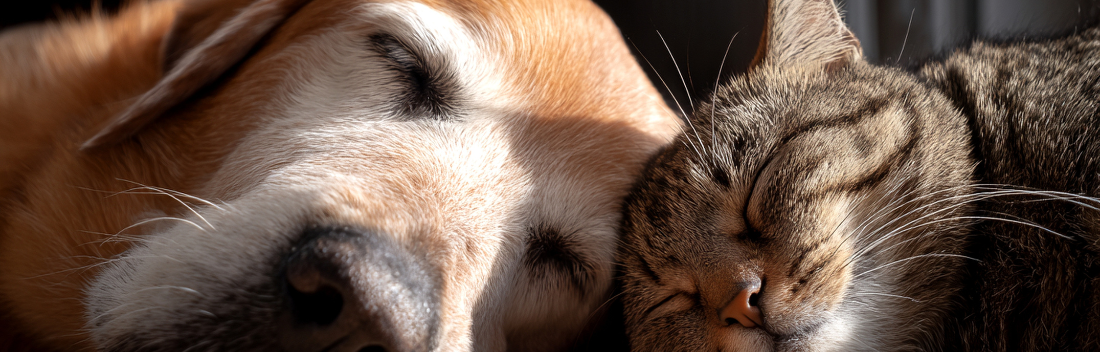
Stress in dogs and cats is a more common problem than it may seem. Recognising the symptoms early is essential to help them regain their emotional and physical balance. In this article, we explain how to identify the symptoms of stress and anxiety in dogs and what treatments can help improve their wellbeing.
Why does stress occur in dogs and cats?
Stress is a natural response of the body to a situation that the animal perceives as threatening or unfamiliar. In small doses, this reaction can be adaptive, but when it lasts for a long time or becomes constant, it ends up affecting their health and behaviour.
Among the most common causes of stress in dogs and cats are:
- Changes in their environment (moving house, renovations, new members of the household).
- Loud noises (fireworks, storms, traffic).
- Lack of exercise or mental stimulation.
- Prolonged absence of the owner or separation.
- Visits to the vet or travelling.
- Conflicts with other animals.
Symptoms of stress in dogs
Some signs of stress in dogs are:
- Excessive barking or whining.
- Excessive salivation or constant panting.
- Trembling, repetitive movements or restlessness.
- Excessive licking of paws or body.
- Loss of appetite or digestive problems.
- Aggression or unusual fearfulness.
Symptoms of stress in cats
Featured products


- Urinating outside the litter tray.
- Compulsive licking or hair loss.
- Isolation or, on the contrary, aggressive behaviour.
- Reduced appetite.
- Excessive meowing or nervousness.
Tips and remedies to treat it
Botanicapets Stress Off Spray: Formulated with natural ingredients, the Spray Stress Off helps reduce anxiety and nervousness in dogs and cats without causing drowsiness.
The best thing about this treatment? Its spray format, which makes it very easy to use, as you can spray it on their carrier, bed or the area where they usually stay.
Adaptil Chew: Thanks to its natural formula based on vitamins and L-tryptophan, Adaptil Chew produces a relaxing effect in dogs, without side effects, drowsiness or sedation. It also helps reduce fear and anxiety and combat occasional stress.
Feliway Optium Difusor: With feline pheromones, the Optium electric diffuser by Feliway helps solve stress-related problems such as marking, scratching, fear or conflict.
Simply plug it in where our cat usually stays to help them relax, without causing drowsiness.
In addition to natural treatments, there are a number of habits that help prevent and manage stress in our pets:
- Avoid punishment or shouting.
- Make time for play and social interaction.
- Respect their personal space.
- Maintain a stable environment.
- Visit the vet if the stress continues or affects their physical health (digestion, skin, weight...).
Stress in dogs and cats can have a major impact on their wellbeing and daily life at home. Recognising the symptoms of stress and anxiety in dogs or cats is the first step to helping them. Because our furry friends deserve the best!