Home / Blog / Sunscreens / Types of solar radiation, skin damage and how to treat it
Types of solar radiation, skin damage and how to treat it

Published: 7/1/2024
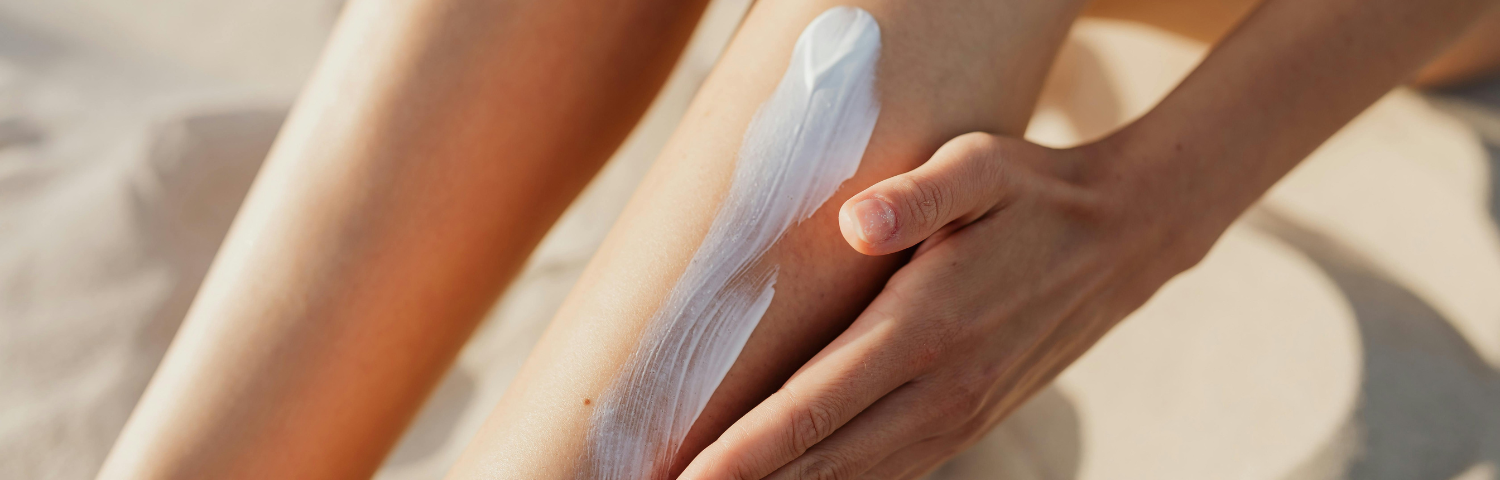
Did you know? The best anti-ageing cosmetic for the skin is sun protection. By using a sunscreen every day and reapplying it, we can prevent signs of ageing such as dark spots, wrinkles or loss of elasticity from appearing. Not to mention the dreaded skin cancer. In today's post, we talk about the different types of solar radiation, the damage they can cause to the skin and how to treat it. Read on!
Types of solar radiation
Ultraviolet Radiation (UV)
- UVA: Penetrates deeply into the skin and is responsible for premature ageing and the formation of wrinkles, and can even cause skin cancer.
- UVB: Mainly affects the surface layer of the skin and is the main cause of sunburn. It is also associated with the development of skin cancer.
- UVC: This is the most dangerous radiation, but fortunately it is blocked by the ozone layer and does not reach the Earth's surface.
Infrared Radiation (IR)
Although it does not cause sunburn, infrared radiation can penetrate deeply into the skin and contribute to premature ageing and the formation of free radicals.
Skin damage caused by solar radiation
- Sunburn: Excessive exposure to UVB rays can cause redness, pain, inflammation and even skin burns.
- Premature ageing: UVA rays are responsible for the breakdown of collagen and elastin, which leads to the formation of wrinkles and sagging.
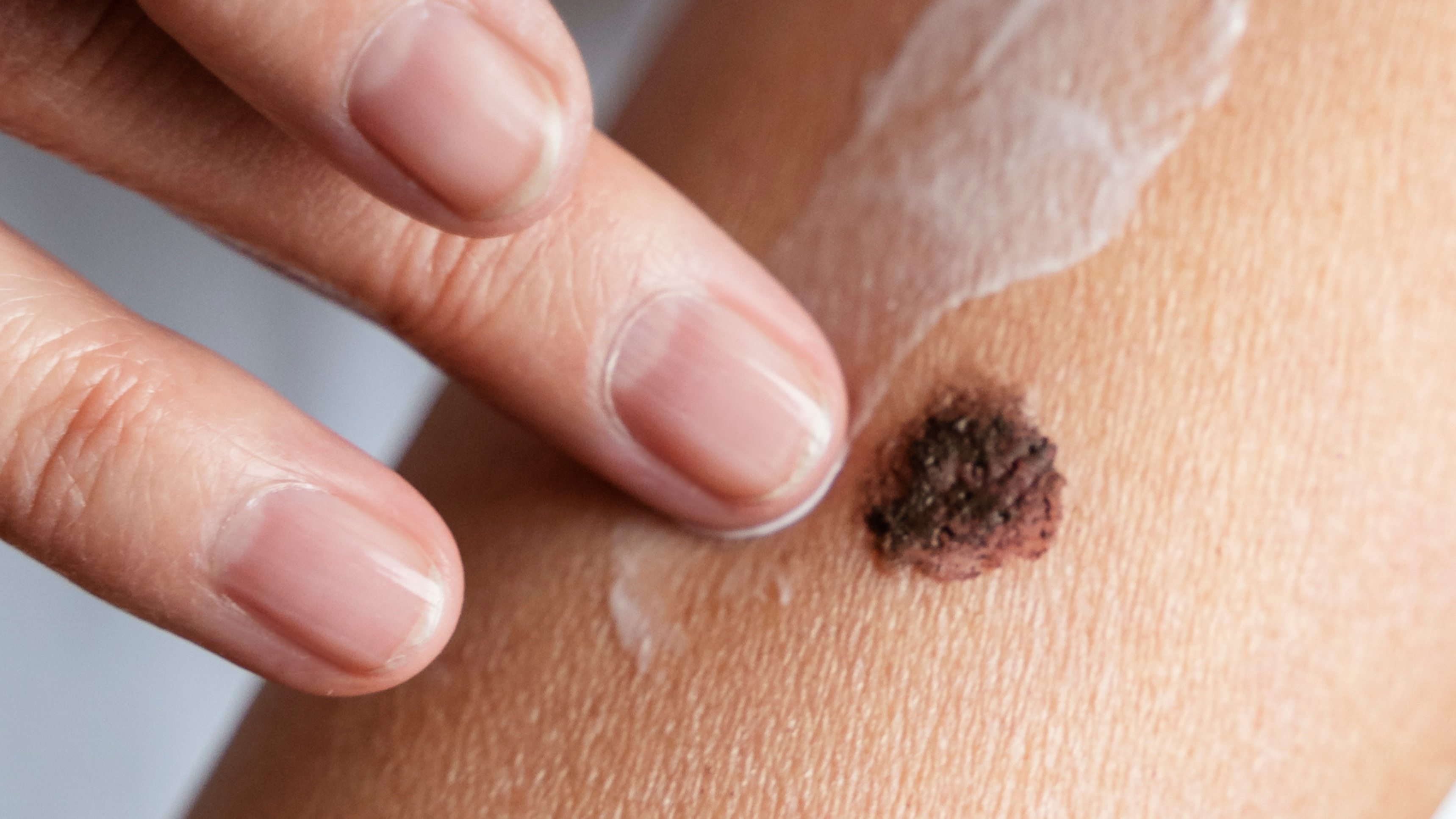
- Dark spots and hyperpigmentation: Another effect of sun exposure is the appearance of dark spots and skin discolouration.
- Skin Cancer: Prolonged exposure to UV rays increases the risk of developing skin cancer, including melanoma.
Featured products


How to treat sunburnt skin
- Cool the skin: Apply cold compresses or take a cool shower to reduce inflammation and irritation.
- Hydrate with Neutrogena Hydro Boost: Use moisturising creams to soothe the skin. This Neutrogena body cream, thanks to its formula with hyaluronic acid, helps retain moisture and soothe the skin, while providing intense, long-lasting hydration, ideal for dry and irritated skin.
- Drink plenty of fluids: Drinking 2 litres of water a day helps the skin recover from within and relieves symptoms such as burning or itching.
- Avoid sun exposure: Don't sunbathe! Wait for the skin to recover, avoiding sun exposure until the burn has healed. And always remember to use a sunscreen with SPF 50+ and apply it after every swim and every 2 hours.
How to protect ourselves from solar radiation
- Heliocare 360º Sensation SPF 50+: this new facial sunscreen from Cantabria Labs offers broad-spectrum protection against UVA and UVB rays and against the appearance of signs of ageing. Its lightweight, fast-absorbing formula is ideal for daily use
- La Roche-Posay UVmune 400 SPF 50+:this facial sunscreen from La Roche-Posay, also available for acne-prone skin,provides advanced protection against long UVA rays, which are responsible for premature ageing. It is ideal for sensitive skin and skin prone to sun allergies.
- Avène Intense Protect SPF 50+: the best option for protecting the skin on the body if you do outdoor activities, as it is water-resistant and suitable for the whole family, including babies and children.
- Eucerin Sun Sensitive Gel-Crema SPF 50+: Specially formulated for little ones, sensitive skin and skin prone to sun allergies, this body sunscreen from Eucerin stands out for its non-greasy, fast-absorbing texture, making it ideal for daily use.
Protecting the skin from solar radiation, with broad-spectrum sunscreens such as the ones recommended, is essential to prevent short and long-term damage.
In addition, reapplying sun cream every 2 hours or after every swim, protecting ourselves with accessories such as caps, hats or parasols, and avoiding exposure during the middle of the day, will help prevent skin damage such as burns, sensitivity or even melanomas. And if you want extra protection, include in your daily skincare routine sun capsules such as those from Heliocare for protected skin inside and out!