Home / Blog / Sunscreens / Actinic or Solar Keratosis: Stages and Treatment
Actinic or Solar Keratosis: Stages and Treatment

Last updated: 7/4/2025
· Published: 6/12/2025
Also known as solar keratosis, actinic keratosis consists of rough, dry and scaly lesions of varying size that can become a more serious problem if not properly cared for.
Actinic keratosis: what is it?
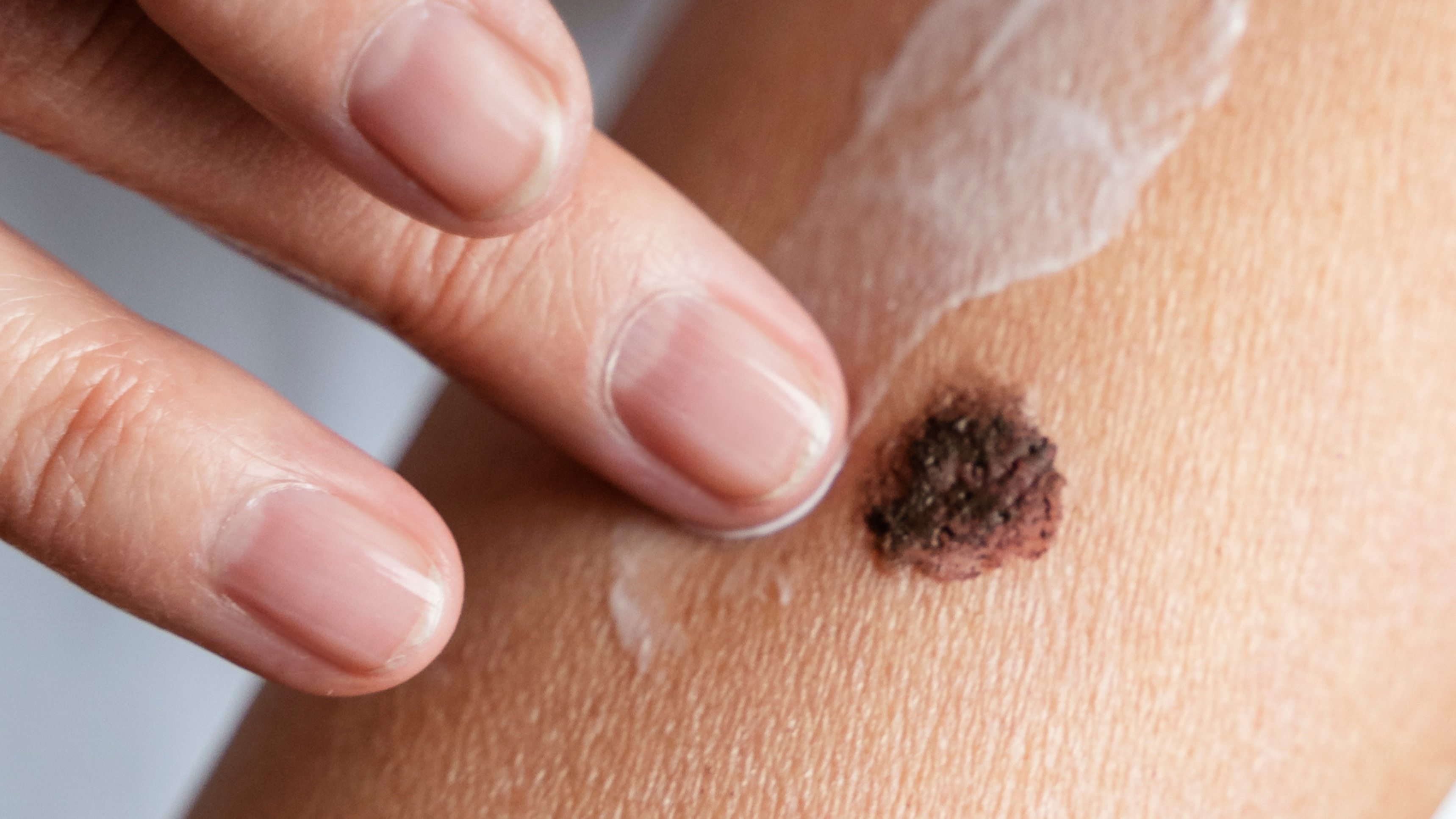
Actinic keratosis, or solar keratosis, is a precancerous skin lesion that appears as a rough, dry and scaly patch or area on the skin, generally on areas exposed to the sun for many years. They mainly appear on areas such as the backs of the hands, head, arms, face, ears, scalp, nose, or neck and neckline.
They are considered precancerous because most remain benign, with a low risk (between 5% and 20%) of developing into squamous cell carcinoma, a type of skin cancer. It is a very common condition, as it is estimated that up to 30% of the population may develop some lesion of this type, especially people over 50 with fair skin and light eyes.
Although they may appear harmless, they have a greater potential to develop into squamous cell carcinoma, a type of non-melanoma skin cancer.
Actinic keratosis: stages
According to the most widely accepted clinical classification, skin with keratosis is divided into three stages or grades:
- Grade I: Pink or grey lesions, flat, with mild scaling or roughness to the touch. They are usually not very visible and are detected more by touch than by sight.
- Grade II: More evident lesions, with more marked hyperkeratosis (thickening), easily detected both visually and by touch.
- Grade III: Lesions with intense hyperkeratosis, a raised and crusty appearance, sometimes with the formation of a cutaneous horn. They may be more resistant to treatment and carry a higher risk of progression.
Types of AK
- Erythematous: Lesion with a reddish base, with little or minimal scaling.
- Atrophic: These are dry lesions, with little scaling and an erythematous base.
- Pigmented: Pigmented actinic keratosis is an uncommon variant. While classic AK usually appears as a rough, dry and scaly pink, red or brown patch, the pigmented form is characterised by a greater presence of pigment, giving it a brown or greyish appearance.
- Hyperkeratotic: Also called a cutaneous horn, these are lesions with abundant keratin, with a hard appearance and a yellowish or brown colour. They may even form a cutaneous horn due to the thickening.
There are other forms such as warty, lichenoid or bowenoid.
Treatment for actinic keratosis
Depending on the type of lesions and the stage of keratosis, treatment will be approached as follows:
- Medical treatment: in this case, we would move on to clinical removal through topical treatments for actinic keratosis, either topical or through procedures such as laser or intense pulsed light.
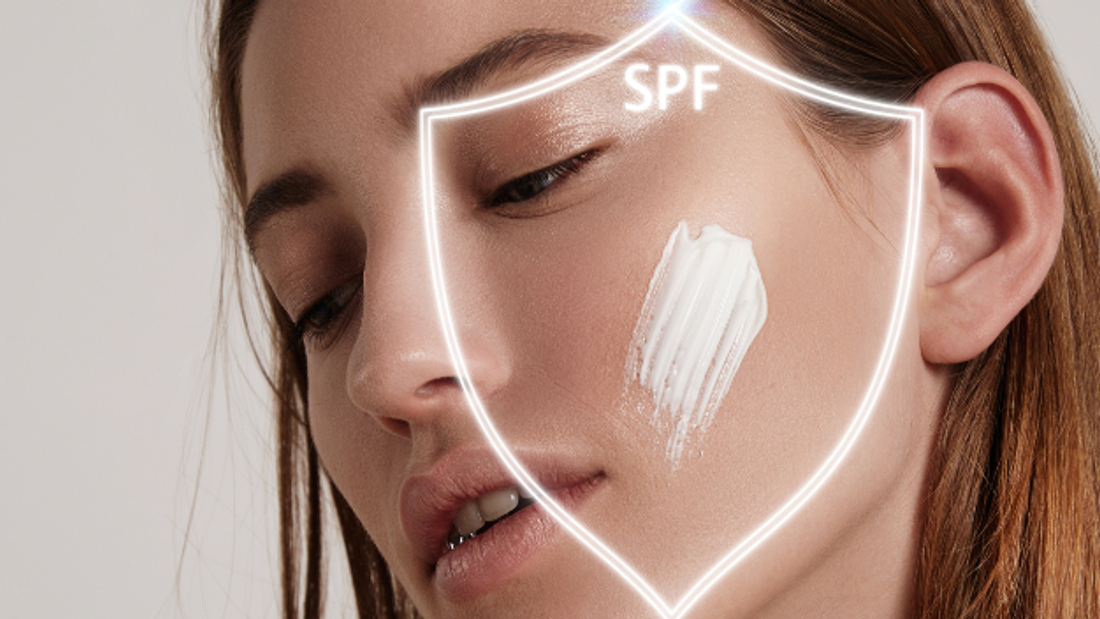
- Prevention and treatment: Once the lesions have been assessed by a dermatologist, we must keep them under control to prevent new lesions from appearing. For this reason, the most important point at this stage is daily photoprotection with specific products for actinic keratosis.
Featured products


Recommended sunscreens for actinic keratosis
Although we may think that any sunscreen will do, the truth is that this is not the case. A sunscreen for skin with keratosis must meet the following requirements:
- Protection and very high UVB/UVA filters.
- Light textures to make frequent reapplication easier.
- They should also contain cell damage-repairing active ingredients in their formula.
Now that you know what a sunscreen for actinic keratosis cannot do without, here are our favourites:
Avène SunsiMed KA
SunsiMed KA de Avène provides very high protection for this type of severely damaged skin. It also provides protection against blue light and antioxidant action, helping to prevent actinic keratosis. It is formulated with pretocopheryl as an antioxidant and hyaluronic acid to provide an extra boost of hydration.
Avène SunsiMed KA Stick
In this case, the stick SunsiMed KA stick de Avène format is perfect for reapplying and taking anywhere. Convenient and practical to make it easier to use sun protection on the areas most damaged by the sun.
Heliocare 360 MD AK fluid
Heliocare 360 MD AK fluid is formulated with a repairing complex called Genorepair Complex. This active ingredient contains 3 enzymes that activate the three DNA repair mechanisms. The aim is to boost the repairing activity produced by sun damage, including photolyase, endonuclease and glycosylase.
Eucerin Actinic Control FPS 100
Eucerin actinic control MD has a sun protection factor of 100 to block the highest possible percentage of solar radiation, helping to prevent sun damage on the one hand and, on the other, repair damage already caused to the skin.
Tips for sun care for skin with keratosis
- Sun protection is important even on cloudy days when we cannot see the sun outside. These are often the most dangerous, as UVA radiation (the type that causes this damage to our cells) can pass through clouds and glass. For this reason, it is important not only to choose a suitable sunscreen, but also to reapply it frequently.
- Do not forget to attend your annual check-ups with the dermatologist so they can keep a close watch on things, especially in cases of actinic keratosis.
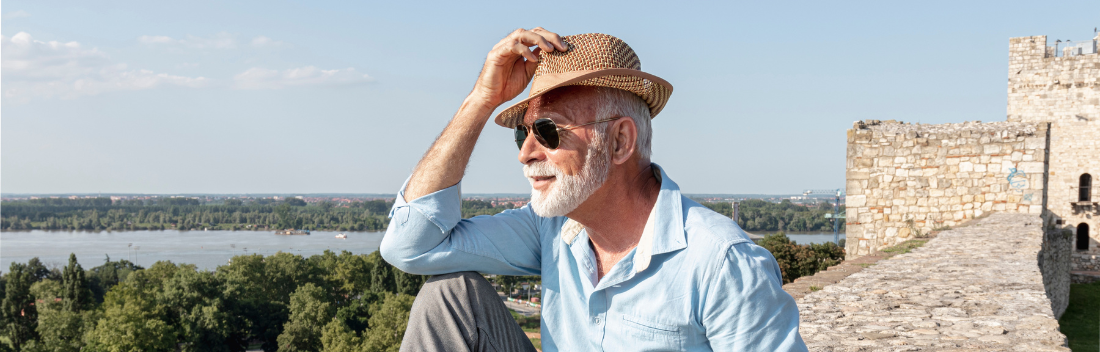
- Wear hats, caps, UV-protective clothing or avoid the sun during peak hours (10 am to 6 pm).
Now you know all about solar keratosis, we recommend following all our protection advice. If you are unsure which sunscreen would be most suitable for your case or skin type, you can write to us via our pharmacist advice, where we will advise you personally.