Snoring: how to prevent it, causes and remedies

Last updated: 2/25/2025
/ Published: 2/6/2025
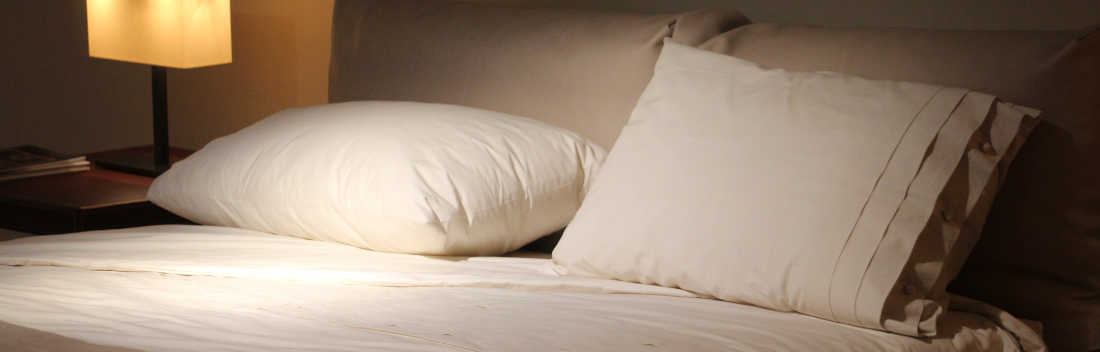
Snoring is a common problem experienced by a large number of people around the world, and it can affect sleep quality by causing insomnia and difficulty sleeping. In today’s post, we explain how to prevent snoring, what the main causes are and which products can help you tackle this problem. Keep reading!
What causes snoring?
Snoring happens when the airflow through the mouth and nose is partially blocked while we sleep. This causes the tissues in the throat to vibrate, creating that characteristic sound we all know.
Causes of snoring
Some of the most common causes include:
- Colds, allergies or a deviated nasal septum can make it harder to breathe through the nose, forcing you to breathe through the mouth and increasing the chances of snoring.
- Excess tissue around the neck due to being overweight can put pressure on the airways, reducing airflow.
- Sleeping on your back makes it easier for the tongue and soft tissues to partially block the airways.
- Drinking alcohol and/or taking sedatives helps relax the muscles in the throat, increasing the likelihood of snoring.
- Anatomical factors such as enlarged tonsils, a thick soft palate or a long uvula can also contribute to snoring.
How can you prevent snoring?
There are many ways to tackle it, from using products to improve breathing during sleep to making lifestyle changes:
- Losing weight can significantly reduce pressure on the airways and therefore reduce snoring.
- Cut down on alcohol, especially before going to bed, to avoid excessive relaxation of the throat muscles.
- Change your sleeping position: Sleeping on your side instead of on your back can help prevent airway obstruction.
- Establish a sleep routine: getting the right amount of sleep and keeping to a regular schedule helps reduce episodes of snoring.
- Keep your bedroom free from allergens: Wash your bed sheets regularly and use an air purifier to reduce allergen levels.
Featured products


- Drink enough water during the day to keep nasal secretions less thick at night.
If snoring persists or is accompanied by pauses in breathing, we recommend seeing your doctor for a proper diagnosis.
Remedies for snoring
If you want to know how to stop snoring, on the Farmaciasdirect website you can find some solutions that may help you reduce and tackle it:
- Tiras nasales de ZzzQuil: These strips are designed to improve airflow through the nostrils. They stick easily to the bridge of the nose to improve breathing and reduce snoring. They work by gently lifting the nasal passages, which reduces resistance to airflow and therefore snoring. These nasal strips for snoring are ideal for people with nasal congestion or who mainly breathe through the mouth while sleeping.
- Spray Arkorespira de Arkopharma: It is a spray for snoring designed to lubricate and hydrate the soft tissues of the throat, reducing the vibrations caused by snoring. It also helps decongest the upper airways in cases of allergies or colds. In addition, this product range includes devices such as the nasal dilator, which help open the nostrils and improve breathing at night. Without a doubt, one of the products that is good for snoring.
When should you worry about snoring?
it can be a cause for concern when it happens regularly and is accompanied by certain symptoms. For this reason, it is important to pay attention to the following signssnoring Snoring :
- Pauses in breathing.
- Choking episodes during sleep, gasping or choking at night.
- Excessive daytime sleepiness caused by unrefreshing sleep.
- Difficulty concentrating.
- Headaches on waking in the morning.
- Constant and very loud snoring.
- High blood pressure.
, a condition that requires medical attentionobstructive sleep apnoea (OSA)These symptoms may indicate the presence of . For this reason, if snoring happens every night and does not improve over time, it may be a cause for concern, as it could lead to trauma in the tissues of the upper airway and, therefore, the development of OSA. So, if in doubt, we recommend speaking to your doctor to receive specialist care.
Now that you know how to stop snoring, remember that, in addition to incorporating these habits and products into your routine, being alert to possible underlying conditions is essential to stop snoring and enjoy a restful night’s sleep.