
Home / Blog / Natural medicine / Climacteric: what it is, stages and how to cope
Climacteric: what it is, stages and how to cope

Last updated: 5/20/2026
· Published: 5/7/2026
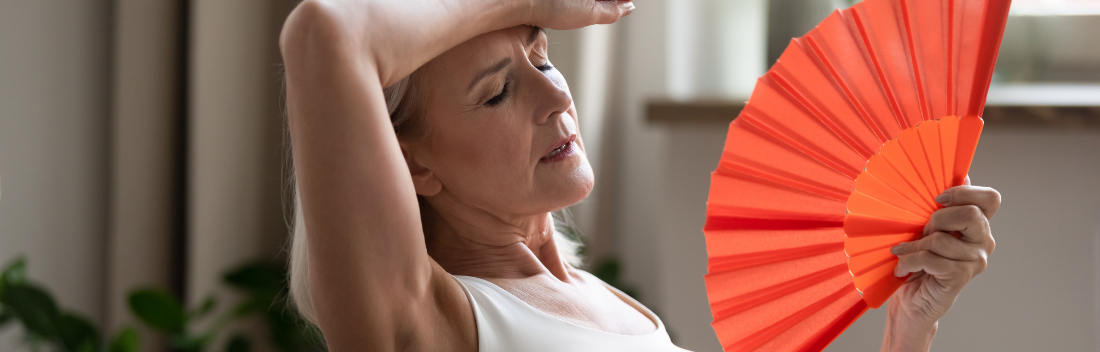
Do you know what the climacteric is? And what menopause is? These are natural processes in a woman's life. Although it is now more normal to talk about women's health and there is more information available, there is still some uncertainty and taboo around this and other aspects of female health. In this article, we explain what the climacteric is in women, its symptoms, its stages and how it differs from menopause.
Climacteric: what is it?
If we talk about the definition of the climacteric, it is a transitional life stage during which a woman's reproductive function comes to an end as a result of ovarian depletion, associated with a drop in oestrogen. It begins before menopause and extends over a number of years, during which the ability to produce hormones, follicles and oocytes is gradually lost. This is why the climacteric should not be confused with menopause: the climacteric covers the whole transition, before, during and after menopause.
Symptoms and stages of the climacteric or menopause
The climacteric includes three key phases in a woman's life, and these are closely linked to the stages of menopause. If we ask what the stages of menopause are or how many stages menopause has, the answer is 3: perimenopause, menopause and postmenopause.
In terms of symptoms, the female climacteric is often accompanied by physical and emotional changes related to reduced oestrogen production. These symptoms do not appear in the same way in every woman. They vary depending on physical and psychological factors. Let us look at them by stage.
1. Perimenopause stage
This is the phase that comes before menopause, when hormone production in the ovaries starts to decline irregularly, leading to irregular menstrual cycles. It usually happens around the ages of 40 to 45, although it may begin earlier, and it can last for a few years or extend up to ten. This stage is often divided into 4 phases, commonly referred to as the stages of perimenopause, each with different symptoms.
- First phase: oestrogen levels remain high, but progesterone drops, leading to shorter cycles and what is known as oestrogen dominance.
Common symptoms include heavier discharge, more pain during menstruation, sleep disturbances and migraines.
- Second phase: oestrogen starts to drop in a fluctuating way and progesterone continues to decrease due to the gradual decline in ovarian reserve.
Symptoms include periods that become irregular in duration and flow, along with hot flushes, night sweats and mood changes.
- Third phase: a more pronounced drop in hormone production with occasional oestrogen peaks.
Symptoms at this stage include hot flushes, insomnia and mood swings.
- Fourth phase: it begins with the last menstrual period and continues through the following 12 months.
Symptoms become more intense and persistent: hot flushes, vaginal dryness and changes in bone density, all of which can affect quality of life.
2. Menopause stage
Featured products


This stage begins after 12 consecutive months without a period in the absence of medical or surgical causes, marking the end of ovarian activity and therefore biological fertility. This lack of oestrogen release may lead to symptoms affecting the bones, cardiovascular system, skin, metabolism, emotional wellbeing and sexual health, such as mood changes, hot flushes, vaginal dryness, insomnia, night sweats and fatigue.
3. Postmenopause stage
It begins after the first year without menstruation and continues into later life. Symptoms may remain similar to those in previous stages, including hot flushes, night sweats, vaginal dryness, urinary infections, mood changes and an increased risk of osteoporosis.
Menopause management and treatment
Although different treatments exist, that does not mean every woman will need one. Some cases are asymptomatic, some women have symptoms that are mild enough to manage with lifestyle changes, and only the more severe cases generally require treatment. Options include:
1. Hormone replacement therapy
Very effective for relieving hot flushes and vaginal dryness, but it should always be used under the recommendation of a medical professional.
2. Pharmacological treatment
Some medicines prescribed primarily for other purposes have also proved useful for treating menopausal symptoms such as hot flushes or mood changes, always under the recommendation of a healthcare professional.
3. Natural supplements
There are effective plant-based products that may help relieve these symptoms, and the ingredients with the strongest evidence include:
-Black cohosh: its extract has shown effectiveness in helping with hot flushes, night sweats and mood changes. It is found in Herbalgem Perimenopause, which also contains raspberry to help regulate hormone levels. The dose is one capsule each morning.
- Soy isoflavones and red clover: they have shown a positive effect on symptoms such as hot flushes, vaginal atrophy, insomnia, bone and cardiovascular health, memory and mood. They are found in Herbalgem Menopause, which also contains blackcurrant to support energy and help with weight control, plus hawthorn to support sleep. The dose is also one capsule each morning.
Other useful ingredients include cranberry, maca and ginkgo biloba, which may help support bone strength and cognitive health. These are present in Herbalgem Postmenopause. As with the others, the dose is one capsule each morning.
It is very important to combine these supplements with healthy lifestyle changes, regular physical activity and stress management.
Menopause and the climacteric are therefore natural processes that all women go through, each in their own way. They mark the end of the reproductive stage, but not the end of a full and healthy life, which is why understanding what happens during this time is key to achieving a more personalised approach and living it with greater wellbeing.