Home / Blog / Natural medicine / Premenstrual Syndrome: Symptoms and Treatment
Premenstrual Syndrome: Symptoms and Treatment

Last updated: 11/4/2025
· Published: 11/3/2025
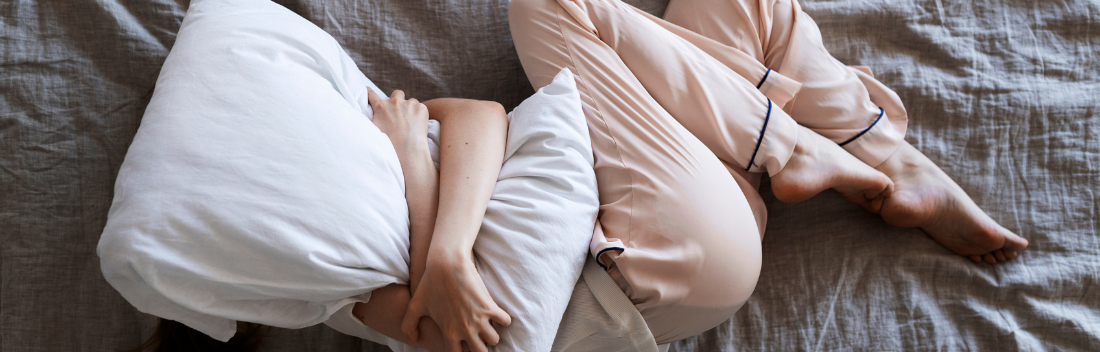
Premenstrual syndrome is not just “that time of the month”: it is a set of physical and emotional symptoms that can affect your wellbeing every month. Discover why it happens, how to ease it and what you can do to feel better before your period.
What is premenstrual syndrome?
Premenstrual syndrome can be defined as the set of symptoms, both physical and emotional, that can appear during the second half of the menstrual cycle.
It is called premenstrual because it appears before menstruation, and it usually affects around 75% of women of reproductive age, although not all of them experience every symptom.
Premenstrual syndrome: when does it start?
It usually begins during the second half of the menstrual cycle, specifically in the days after ovulation and before the menstrual period starts. Generally, these symptoms appear between 5 and 14 days before menstruation begins, and they usually disappear in the first few days.
Symptoms of premenstrual syndrome
These can vary and, as I said, not all women experience all of them. Even so, the most common are:
- Those that affect the physical level: such as pain, breast tenderness, increased fluid retention (feeling more bloated), changes in appetite, fatigue or headache.
- Or those that affect the emotional or mental level: days with more mood swings, irritability, sadness, anxiety, sleep problems and even greater difficulty concentrating.
Causes: why does it happen?
Featured products


These are symptoms known to be associated with premenstrual syndrome, but the exact cause is not known, mainly because the symptoms vary so much and affect different systems of the body. The known cause, although not the exact mechanism, is hormonal. We could say that premenstrual syndrome arises from variations in the hormones of the menstrual cycle, specifically oestrogen and progesterone.
Treatment for premenstrual syndrome
Although there is no single treatment for the symptoms of premenstrual syndrome or PMS, there are some techniques that can make it more manageable or reduce the intensity of those symptoms. For example:
- Healthy habits: adopting a series of healthy habits that help with bloating, mood or even inflammation, for example a balanced diet, eating plenty of fruit, reducing alcohol, caffeine and simple sugars; also exercising regularly or introducing relaxation techniques such as yoga or meditation.
- Drug treatment: If we experience a lot of pain, the ideal approach would be, under medical supervision, to take the treatment that the doctor considers most suitable for our individual case.
- Natural supplements: especially if the symptoms are bothersome but not moderate or severe, and we prefer supplements that help rebalance the body naturally.
Which options do we recommend?
- Pranarom Aromafemina Premenstrual Comfort: A natural supplement based on vegetable oils, such as evening primrose oil, which helps regulate hormonal balance.
- Pure Encapsulation Evening Primrose Oil: As with the previous option, thanks to its evening primrose oil content, it helps support balance for women’s wellbeing.
- Bonusan Vitex Agnus Castus Extract: This supplement contains vitex agnus castus extract, which helps relieve PMS symptoms while also supporting cycle regulation.
Although the symptoms experienced during the premenstrual period are common among women, as we mentioned earlier, not everyone experiences them in the same way, either in terms of the number of symptoms or their intensity. That is why, if you experience any of them, the ideal step is to speak to a specialist, whether your doctor or pharmacist, so that they can guide you towards the most suitable treatment to improve your symptoms.