How to Relieve Joint Problems?

Last updated: 11/13/2025
/ Published: 11/14/2023
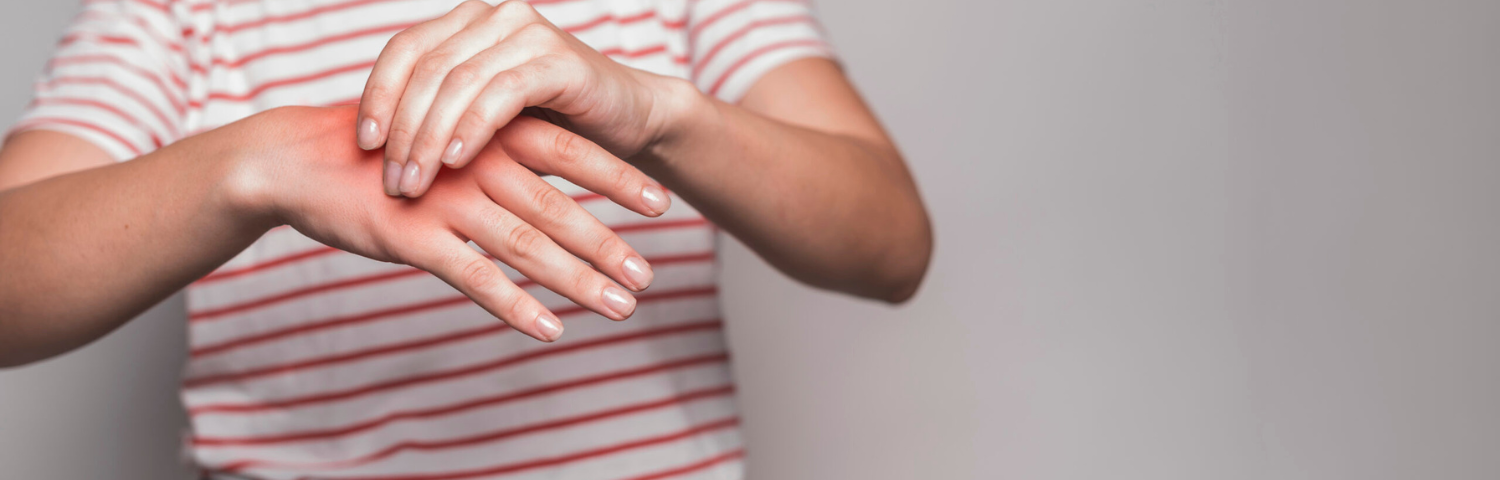
Joint problemsare one of the most common issues among the adult population. Below, we explore the symptoms, causes and common treatments for joint problems.
What are joint problems?
Joint problemsare conditions that affect the body's joints, such as the knees, hips, shoulders, wrists and many others.
These conditions can cause pain, inflammation, restricted movement and significantly affect a person's quality of life.
Symptoms
Thesymptoms of joint problemsmay vary depending on the specific condition, but some common symptoms include:
- Pain:Pain in the joint is one of the most common symptoms. It may be acute or chronic and vary in intensity.
- Inflammation:The affected joints often swell, which can cause redness and a feeling of warmth in the area.
- Stiffness:Stiffness in the joints can make movement difficult, especially in the morning or after a period of inactivity.
- Weakness:Muscle weakness in the areas surrounding the affected joint is common.
- Joint noise:In some conditions, such as osteoarthritis, a grinding or clicking sound may occur when moving the joint.
Causes of joint problems
Joint problemscan have various causes, including:
- Injuries:Traumatic injuries, such as sprains, twists or fractures, can damage the joints and cause long-term problems.
- Autoimmune diseases:Conditions such as rheumatoid arthritis and lupus can trigger an autoimmune response that affects the joints.
Featured products


- Wear and tear:The natural wear and tear of joints with age is a common cause of joint problems, such as osteoarthritis.
- Infections:Joint infections, although rare, can cause inflammation and damage to the joints.
- Obesity:Excess weight can place additional pressure on the joints, increasing the risk of joint problems.
- Genetic factors:Genetic predisposition can influence susceptibility to certain joint diseases.
Recommended treatments for joint problems
Treatment for joint problems depends on the underlying cause and the severity of the condition. Some common treatment options include:
- Medicines:Painkillers, non-steroidal anti-inflammatory drugs (NSAIDs) or disease-modifying medicines may be prescribed, depending on the type of condition.
- Supplements: Natural food supplements to improve the condition of muscles and joints, such asNDL Pro-Health Regeneración Muscular, Ana Maria LaJusticia Colágeno con Magnesio, as well as topical products such asPranarom Aromalgic joint cream.
- Physiotherapy:Physiotherapy exercises and techniques can help strengthen the muscles and improve mobility, as well as specific products that help ensure the correct position of the affected joint. On our website you can find different products fromActimovspecially designed for this. For example, thisActimove immobilising braceto relieve thumb pain.
- Lifestyle changes:Losing weight, maintaining a healthy diet and exercising regularly can help reduce the load on the joints.
- Injections:In some cases, corticosteroid or hyaluronic acid injections may be used by a medical professional to relieve pain and inflammation.
- Surgery:In severe situations, or when other treatments are not effective, surgery such as arthroplasty (joint replacement) may be necessary.
If you suffer fromjoint problems, it is essential to consult a healthcare professional for proper diagnosis and treatment if you experience joint issues.
Early and appropriate management can help prevent complications and improve the quality of life of those living with these conditions.