
What Is Traveller’s Diarrhoea? Causes, Symptoms and Treatment

Last updated: 7/8/2025
/ Published: 7/8/2025
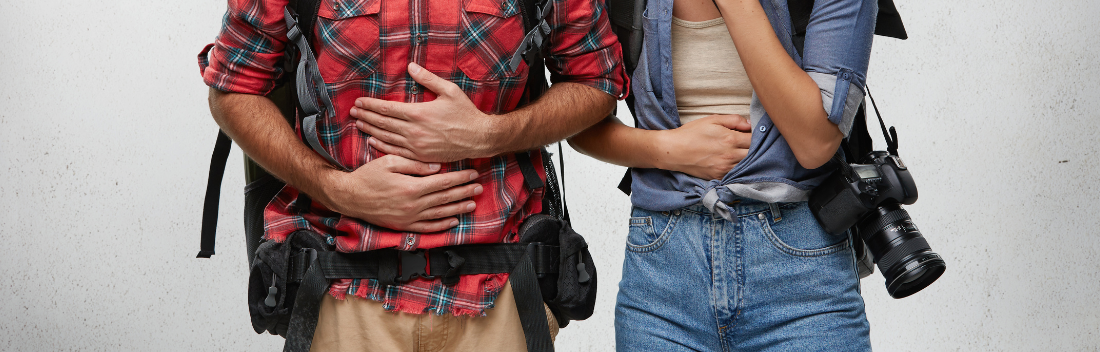
Have you ever travelled abroad, especially to tropical areas, and started to feel unwell? Diarrhoea, stomach pain... You probably experienced what is known as traveller’s diarrhoea. At FarmaciasDirect, we explain everything you need to know about it, how you can prevent it, how to treat it and why you should pay attention to it when travelling.
What is traveller’s diarrhoea?
Traveller’s diarrhoea is a medical condition characterised by the presence of loose, watery stools during bowel movements. It can appear when travelling to countries in areas closer to the tropics, such as Latin America, Africa, the Middle East and Asia, which are often regions where hygiene and sanitation standards are lower.
This diarrhoeal illness does not necessarily have to be serious, although it can become complicated and very uncomfortable, affecting your trip and your wellbeing for around 2 to 3 days.
Bacteria that cause traveller’s diarrhoea
Traveller’s diarrhoea is caused by an infection due to bacteria, viruses or parasites. Among them, the most common cause is infection with Escherichia coli, also known as E. coli. Less commonly, it may also be caused by Shigella, Salmonella, Campylobacter, Rotavirus and Giardia lamblia.
E. coli is a common bacterium in water supplies in the regions mentioned above, where proper purification may be lacking. This water is used to irrigate crops, wash food, cook or prepare drinks. That means food sold at local stalls, ice you may consume if it is homemade, tap water or bottles that have been refilled may also be contaminated. So if we consume these foods or this water, we can become infected and develop traveller’s diarrhoea.
Symptoms of traveller’s diarrhoea
Symptoms usually appear 12 to 72 hours after infection. The most common are loose, watery stools and abdominal pain. It is defined by the appearance of 4 or more bowel movements of this type within 24 hours.
It can also appear alongside other symptoms such as nausea, vomiting, fever or muscle aches. In more severe cases, blood may appear in the stools.
How long does traveller’s diarrhoea last?
Traveller’s diarrhoea usually lasts 3 to 5 days under normal conditions. Depending on the person’s sensitivity or whether any treatment has been followed, it may last longer and become more complicated.
If there is fever or blood in the stools, or if symptoms persist or get worse, you should see a doctor.
Is traveller’s diarrhoea contagious?
Yes, traveller’s diarrhoea is contagious, as it can be transmitted from person to person via the faecal-oral route, in other words, by eating contaminated food. This food may be contaminated by E. coli, so food contamination can happen through:
- Transfer of faeces to the hand, and then to the mouth or to food while handling it.
- Toxins produced by some microorganisms.
Can it only happen if we travel to countries near the tropics?
No, we can suffer diarrhoeal illnesses whenever we travel, not only when visiting areas near the tropics, we can suffer them whenever we travel:
- On the one hand, we should bear in mind that food contamination or spoiled food can always occur.
- On the other hand, we all have a microbiota or gut flora that adapts to the type of water we usually drink where we live. Water varies from one place to another, so if we drink water while travelling in any form, we may develop diarrhoea because our gut microbiota can be altered.
How to prevent traveller’s diarrhoea
Featured products


These are some of the measures you can follow to help prevent it:
- Drink newly opened bottled water.
- Use ice made industrially.
- Avoid street food stalls and their fruit or drinks.
- Avoid raw vegetables.
- Brush your teeth using newly opened bottled water.
- Avoid raw or undercooked foods.
- Avoid foods made with unpasteurised dairy products.
- Wash your hands well after using the toilet.
- Take probiotics.
How to treat traveller’s diarrhoea
The most advisable way to treat the diarrhoeal episode is:
- Follow a bland diet and avoid contaminated food and drinks.
- Rehydrate with oral rehydration solution, so that you avoid possible dehydration by replacing the minerals and salts lost through diarrhoea.
- Support and restore the balance of the gut flora by taking probiotics.
It is advisable to let the cause of the infection clear from the body, but if there are times when you need to travel or carry out an activity, that is when an anti-diarrhoeal medicine such as Fortasec may be used.
Fortasec is a medicine that does not require a prescription. Its active ingredient is loperamide, which reduces bowel movement and therefore stops diarrhoea on an occasional, short-term basis. The usual starting dose is 2 tablets, followed by 1 after each loose stool, up to a maximum of 8 a day. It is available in capsule and freeze-dried formats, with the latter acting faster.
Probiotics for traveller’s diarrhoea
Fortebiotic Intestinal Flora is a food supplement in the form of probiotics for the intestinal flora that contains 5 high-dose microencapsulated strains, which means it is very effective in helping maintain the balance of the gut flora.
It is recommended to start taking it a few days before the trip, continue during the trip and carry on for a few days afterwards. Take 1 a day, preferably in the morning, but it should not be taken with hot drinks and, if antibiotics are being taken, it should be separated by 2 hours.
Remember that if symptoms persist or worsen, or if fever or blood in the stools appears, you should see a doctor for an assessment and personalised diagnosis.


