
Home / Blog / Veterinary Pharmacy / Why does my cat scratch the furniture? Solutions to prevent it
Why does my cat scratch the furniture? Solutions to prevent it

Last updated: 4/7/2026
· Published: 3/27/2026
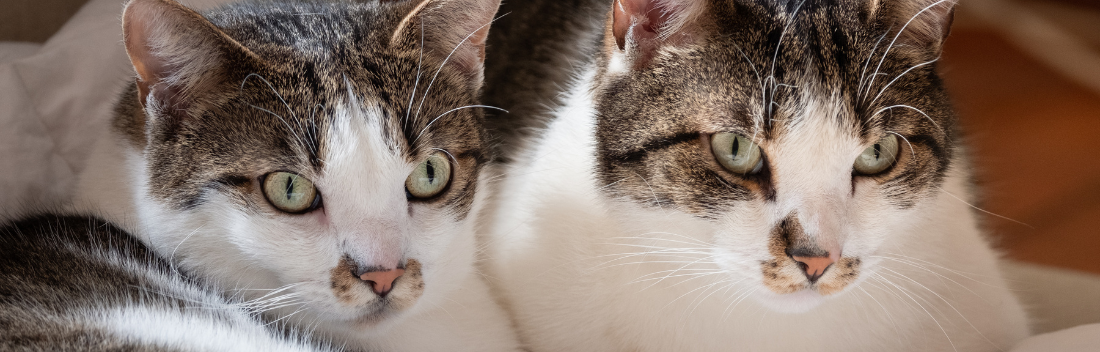
Ruined sofas, marked doors or walls with visible scratch marks — sound familiar? In this article, we explain why cats scratch furniture and how to prevent it effectively. Keep reading!
Why do cats scratch?
If you have a cat that scratches, you should know that it does not do so out of caprice. Scratching serves several essential functions:
1. Territorial marking: Cats have glands in their paw pads that release pheromones. When a cat scratches, it not only leaves a visual mark — it also deposits chemical signals indicating that the space is theirs.
2. Nail maintenance: Scratching removes the outer layers of the nails and keeps them healthy.
3. Stress relief: Scratching is a natural outlet for releasing tension. Changes at home, visits, moving house or new pets can increase this behaviour.
On the other hand, although the sofa tends to be the main victim when a cat scratches furniture, it is not the only common scenario.
It is also normal if your cat scratches doors — it may be seeking attention, trying to access another room, or suffering from separation anxiety. It may even indicate boredom or disruption to their routine, particularly at night.
A cat scratching the wall may be trying to mark territory or reacting to external stimuli (noises or the presence of other animals in the environment).
You may also wonder why your cat scratches the floor; this is related to instinct, an attempt to cover smells, or simply to release pent-up energy.
Stress and destructive behaviour in cats
In many cases, when a cat scratches furniture excessively, the underlying issue is stress. Environmental changes, lack of stimulation or conflicts with other animals can intensify marking behaviour.
Biting and scratching are part of the same pattern of play or emotional release, especially in young or understimulated cats.
How to stop my cat from biting and scratching
The key is not to eliminate the behaviour, but to redirect it correctly.
1. Provide suitable scratching posts
- Place both vertical and horizontal scratching posts.
- Position them near the areas where the cat already scratches.
- Encourage their use with treats or games.
If your cat scratches furniture, place a scratching post right next to the sofa initially to facilitate the transition.
2. Improve environmental enrichment
Boredom is a frequent cause of a scratching cat doing so excessively. Make sure to provide:
- Interactive toys
- High routes and climbing structures
Featured products


- Daily playtime
- Stable routines
3. Use synthetic pheromones: Feliway diffuser and Feliway spray
When the problem is related to stress or territorial marking, pheromones can make a real difference.
Feliway Optimum Diffuser
The Feliway Optimum diffuser releases a synthetic copy of the feline facial pheromone, which conveys a sense of security and wellbeing.
It is ideal when there are changes in the home, when the cat frequently scratches doors or walls, or when you observe repetitive behaviours such as the cat scratching the wall.
It is recommended to plug it in the room where the cat spends the most time and to keep it running continuously for at least 30 days.
Feliway Classic Spray
The Feliway spray is perfect for targeted applications — directly on areas where the cat scratches furniture, on doors if your cat scratches the doors, or on carriers or specific areas after a move.
Applying the spray 15 minutes before allowing the cat access helps reduce marking behaviour.
4. Temporarily protect surfaces
While you are retraining the behaviour:
- Use protective covers.
- Apply anti-scratch film.
- Temporarily change the texture of the surface.
Cats prefer materials that offer resistance when scratched; modifying the texture can discourage the habit.
5. Positive reinforcement
Never physically punish or shout. Punishment increases stress and can worsen the problem.
Instead:
- Reward use of the scratching post.
- Gently redirect when the cat begins to scratch a prohibited area.
- Maintain consistency in the rules.
If the behaviour appears suddenly or is accompanied by changes in appetite, aggression or urine marking, it is advisable to consult a vet to rule out any possible medical causes.