Processionary caterpillars in dogs: symptoms and treatment

Last updated: 4/16/2025
/ Published: 4/16/2025
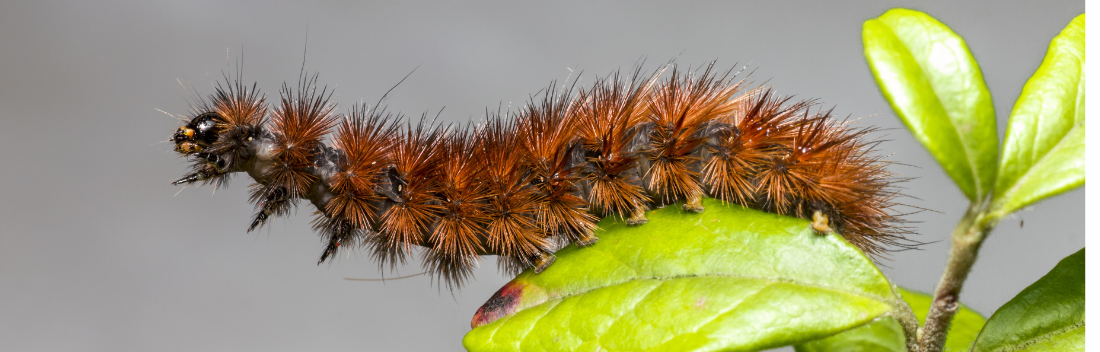
Processionary caterpillars in dogs are potentially dangerous due to the many urticating hairs covering their bodies. When the animal comes into contact with them by sniffing, touching or ingesting them, these hairs can cause serious allergic reactions and injuries.
What is a processionary caterpillar?
The pine processionary caterpillar (Thaumetopea pityocampa) is an insect species whose larvae form long lines or “processions”, moving together from one place to another, which is how they get their name. This insect is mainly known for its ability to damage pine trees, as it feeds on their needles.
Why is it dangerous?
As well as being harmful to trees, the processionary caterpillar can be dangerous for humans and pets because of its urticating hairs, which can cause allergic reactions when they come into contact with the skin or airways.
Symptoms of a processionary caterpillar sting
Processionary caterpillar poisoning in dogs is a serious situation and must be treated quickly.
The caterpillar’s urticating hairs can cause severe allergic reactions if the dog comes into contact with them. These hairs are very dangerous because they can stick to the animal’s body and be inhaled or swallowed accidentally. But do you know what the symptoms of poisoning are?
- Excessive salivation, which could be a response to the irritation caused by the urticating hairs.
- Vomiting and diarrhoea as the body’s way of trying to eliminate the irritants.
- Swelling in the mouth and tongue: Swelling can be seen around the mouth, especially on the tongue (it may even turn purple), making it difficult to breathe and eat.
- Difficulty swallowing due to the swelling.
- Excessive licking: The dog may start licking its paws or body compulsively in response to pain or irritation.
- Loss of appetite: Because of the discomfort and pain, it may stop eating.
- Difficulty walking caused by swelling or pain.
- Shock: In more serious cases, the reaction can be so severe that the dog may collapse, with rapid, weak breathing or even fainting. This would be an emergency and you should go to your usual vet.
What should I do if my dog is stung by a processionary caterpillar?
Featured products


To treat a dog that has come into contact with a processionary caterpillar, the first step is to stay calm and follow these steps:
- Remove the caterpillar’s urticating hairs, protecting yourself with gloves and a mask.
- Wash the affected area with lukewarm water and mild soap.
- Stop your dog from licking itself.
- Apply cold compresses to relieve pain and reduce swelling.
- Go to the vet immediately, especially if you notice signs of breathing difficulties or a severe allergic reaction.
Treatment for the pine processionary caterpillar
Treatment for a processionary caterpillar sting generally includes the following:
- Administration of fluids.
- Systemic antibiotics.
- Corticosteroids.
- Antihistamines.
The choice of treatment will depend on the severity of the symptoms and the vet’s recommendations. You can also support recovery and help restore intestinal motility with supplements such as Laxagreen or Fibor. In the most serious cases, the animal may need to be hospitalised.
How can you prevent contact with the processionary caterpillar?
To avoid contact with processionary caterpillars, keep away from risk areas. If you cannot avoid them, keep your dog on a lead and try not to let it sniff around.
If you suspect that your dog has been in contact with a processionary caterpillar, it is crucial to take it to the vet immediately. Prompt treatment is essential to avoid serious complications. The vet will be able to give the appropriate treatment to neutralise the effects of the poisoning and relieve the animal’s symptoms. Be careful, they are on their way!