Overweight in dogs and cats: symptoms and how to prevent it

Last updated: 1/22/2026
/ Published: 1/22/2026
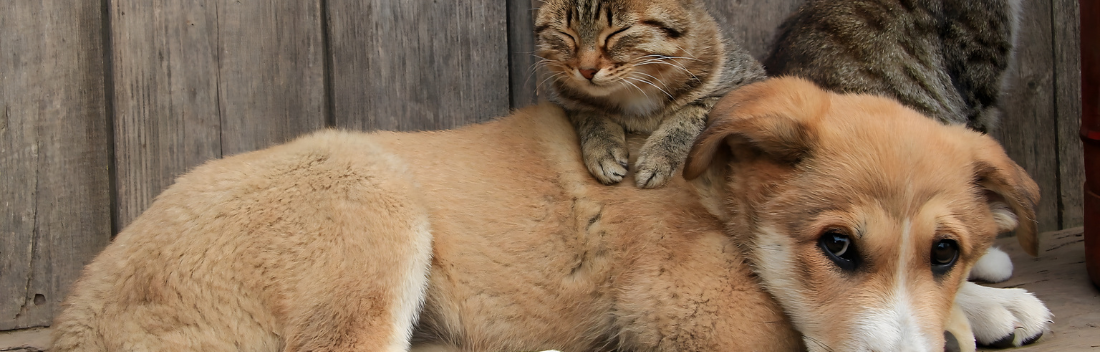
Overweight in cats and dogs is an increasingly common problem today. Maintaining a healthy weight is fundamental to the wellbeing and longevity of our pets, as excess weight can lead to serious health problems such as cardiovascular disease, diabetes, arthritis and breathing difficulties. In today's article, we explain the most common symptoms of overweight in pets and what to do to achieve a healthy, balanced weight.
Causes of overweight in pets
Overweight in dogs and cats generally results from an imbalance between the number of calories consumed and energy expenditure. The most common causes include:
- Excessive or inappropriate feeding: giving more food than necessary, constantly offering treats, or providing foods high in fat and sugar.
- Lack of exercise: sedentary animals have lower calorie expenditure, which promotes fat accumulation.
- Genetic factors: some breeds are more prone to weight gain, such as the Labrador Retriever in dogs or the Persian cat in felines.
- Hormonal or metabolic problems: conditions such as hypothyroidism or Cushing's syndrome can contribute to weight gain.
- Advanced age: with age, metabolism slows and physical activity decreases, making overweight more likely.
Symptoms of overweight in dogs and cats
Detecting whether you have an overweight cat or an overweight dog in time is essential. Some symptoms include:
- Difficulty feeling the ribs: in a healthy animal, the ribs should be easily felt with light finger pressure.
- Abdominal fat accumulation: the abdomen may appear swollen or drooping, especially in cats.
- Reduced physical activity: the animal tires easily, avoids playing or climbing stairs.
Featured products


- Breathing difficulties: excess fat can compress the chest cavity and make breathing harder.
- Changes in mobility: arthritis or joint pain may manifest as lameness or difficulty moving. How can this be addressed? With the chondroprotector Condrocare, which contributes to comprehensive joint care, protecting cartilage and improving mobility — thanks to its formula rich in hemp, krill, collagen, chondroitin and glucosamine.
- Visible weight gain compared to the breed average: regular check-ups with the vet help detect significant variations.
In more advanced cases, overweight can lead to serious health problems, such as diabetes, hypertension, heart disease, liver problems and a reduced life expectancy.
Tips to prevent overweight in cats and dogs
Do not worry — you can prevent obesity in cats and dogs. Prevention is more effective than treating overweight once it has set in. The most important strategies include:
- Diet control: consult your vet to establish the appropriate amount of food based on age, breed, weight and activity level. Avoid giving human food (which tends to be high in sugars and fats), limit treats, and opt for healthier snacks.
- Daily exercise: daily walks with games that stimulate physical and mental activity, or maintaining consistent activity routines, help burn more calories and improve cardiovascular and muscular health. What about cats? Interactive games with toys or climbing circuits will help keep them active.
- Weigh your dog or cat regularly: keeping regular track of your pet's weight helps detect early increases. Adjust diet and activity level according to weight changes.
- Vet visits: regular check-ups help detect hormonal or metabolic problems that may promote overweight. The vet can also recommend specific nutritional plans or supplements if needed.
Additionally, keeping your pet well hydrated will aid digestion and promote a feeling of fullness, and choosing kibble or wet food with balanced nutrients and calorie control will help maintain a healthy, balanced weight.
Monitoring what your pet drinks and eats with automatic feeders will allow you to detect changes in appetite, lethargy or behaviour that may indicate weight-related issues.