Otitis in Dogs: Causes, Symptoms and Treatment

Last updated: 4/10/2025
/ Published: 4/10/2025
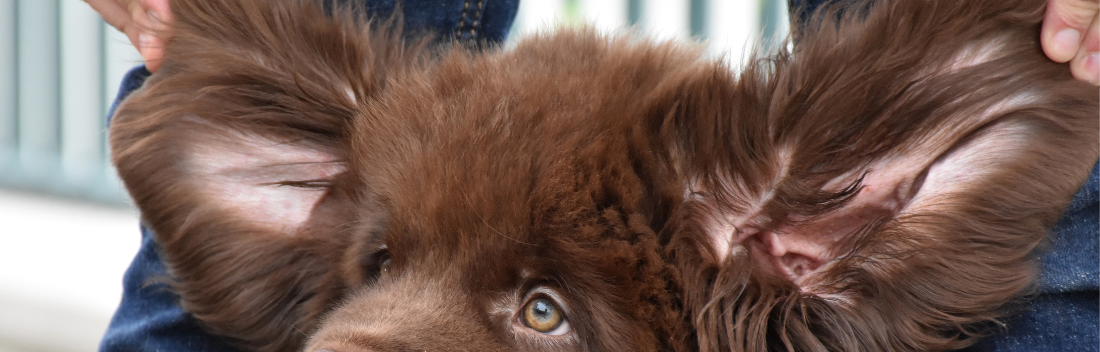
Otitis in dogs is an inflammation of the ear that can be caused by several factors such as bacterial infections, fungi, allergies, foreign bodies or even a build-up of wax. It is quite common and can affect both the outer and middle ear, although it generally affects the outer ear. Dogs with long or floppy ears, such as Cocker Spaniels or Basset Hounds, are more prone to it due to the lack of ventilation in the ear.
Causes of otitis in dogs
- Bacterial or fungal infections: Bacteria and fungi (such as Malassezia) are common causes of otitis. Fungi, in particular, thrive in warm, damp environments, which is common in dogs with long, floppy ears.
- Allergies: Food or environmental allergies (such as dust or pollen) can cause increased wax production in the ears, which encourages the growth of bacteria or fungi.
- Foreign bodies: Things such as seeds, grass or even dirt that get into the ear can cause irritation and lead to an ear infection in dogs.
- Parasites: Ear mites are a common cause of otitis, especially in young dogs or those that have contact with other infected animals.
- Build-up of wax or dirt: In some breeds, excess wax or dirt accumulated in the ears can cause inflammation and pain.
What symptoms are common?
- Scratching or rubbing the ears.
- Shaking the head frequently.
- Redness or swelling in the ear canal.
- Discharge, which may be yellow, brown or even have an unpleasant smell.
- Pain when the ears are touched.
- Bad smell in the ears.
Therefore, if your dog shows these symptoms, we recommend taking them to the vet for a check-up. Depending on the type of infection, especially if the otitis in dogs is severe, they will need more specific treatment. And if there is a foreign body, it should be removed as soon as possible.
Drops for otitis in dogs
Drops for the treatment of otitis in dogs contain various active ingredients, generally combining antibiotics, antifungals and anti-inflammatories. Some of the most common are florfenicol, fosfomycin, terbinafine, clotrimazole...
These combinations of active ingredients are designed to effectively treat bacterial and fungal infections, while also reducing the inflammation and pain associated with canine otitis.
Featured products


Always remember to follow the guidance of your usual veterinary clinician and complete the full course of treatment. Once your pet's otitis problem has been resolved, here are the steps to help prevent it with proper ear cleaning.
The best ear cleaners for dogs
Below, we recommend some of the best ear cleaning drops, which will help you avoid ear infections in dogs:
- Vétoquinol Otifree: This is an ear cleaner designed for dogs and cats. This product is intended for cleaning the outer ear and ear canal of pets.
- Vetnova Abelia Zn Otic: is a natural water-based ear solution designed for ear care in pets, mainly dogs and cats. This non-irritating formula provides a soothing and drying action, helping to maintain the physiological condition of the outer ear canal and pinna.
- Limpiador ótico de Botanicapets: is a product designed for the eye hygiene of pets, such as dogs and cats. This ear cleaner for dogs is used to remove dirt and built-up earwax, making it essential for maintaining a proper hygiene routine in pets.
How to clean your dog's ears properly
- Prepare your dog: If this is your first time doing it, make sure your dog is calm. You can do it after a walk or when you are relaxed. If necessary, ask someone to help you hold your dog gently but firmly.
- Check the ears: Before cleaning, inspect the ears for signs of infection, such as redness, swelling, bad smell or discharge. If you notice these symptoms, it is best to consult the vet before attempting to clean the ears.
- Apply the cleaning solution: Put a few drops of the ear cleaning solution into your dog's ear. Make sure you do not insert the dropper tip into the ear canal, as this may irritate it.
- Massage the base of the ear: Once you have applied the cleaner, gently massage the base of the ear for around 20-30 seconds. This helps to loosen dirt and wax built up in the ear canal.
- Let your dog shake its head: Many dogs tend to shake their head after the cleaner is applied, which helps to loosen more dirt. This is completely normal and can help with the cleaning process.
- Clean the inside of the ear: Use a piece of gauze or cotton wool to gently clean the inside of the ear. Do not push the cotton wool down into the ear, only clean the visible part. If there is a lot of wax, you can repeat the process, but do not use too much pressure.
- Repeat the process on the other ear: Do the same with the other ear, making sure to be gentle and not insert anything into the ear canal.
And as a final tip, reward your dog. Once you have finished, give them a treat or some fuss so that they associate cleaning with something positive.
Ear cleaning: how often?
The frequency with which you should clean your dog's ears will depend on their breed and needs. Dogs with long or floppy ears (such as Cocker Spaniels) may need more frequent cleaning, while dogs with more upright ears, such as German Shepherds, generally require less cleaning. As a general rule, check your dog's ears once a week to see whether they need cleaning.
Always remember that prevention is better than cure. That way, your furry friend's ears will stay healthy and free from otitis.