Obesity in Cats: The Dangers of Being Overweight

Last updated: 2/25/2025
/ Published: 2/5/2025
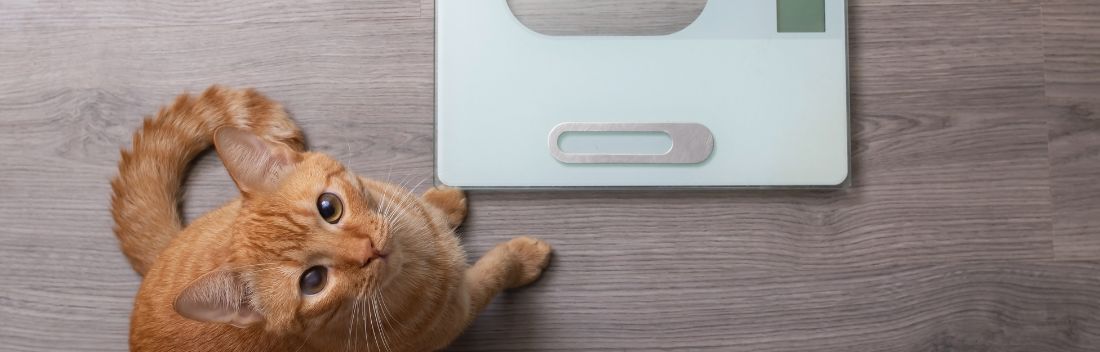
Obesity in cats, the dangers of being overweight
Christmas overindulgence is not just something we humans do, because on special occasions we can often go overboard with our pets too. And obesity incats is a health problemthat is becomingincreasingly common due to thelifestyle of ourfelines, whichis defined asan excessive accumulation of fatthat canhave negative effects on their health. Today we are going to look at what obesity in cats is, what problems or illnesses being overweight can cause, the treatment to follow and how you can prevent it.
How can I tell if my cat is overweight?
Officially, excess weight begins when the animal exceeds the weight considered normal for the breed by between 15% and 30%. It is from 30% upwards that we would be talking about obesity. However, in the case of felines, it is considered that a cat is overweight when it exceeds its “ideal weight” by more than 10%, and obese when it exceeds it by 20%. How do we interpret this? There are also free body condition charts that can help you identify it.
How to spot excess weight in cats
Among the main ways to check whether your cat is obese are the following:
- Check their shape: They should have a visible waist when viewed from above. If they do not, they may be gaining more weight than normal.
- Try to feel their ribs: You can try to feel your cat's ribs by running your hand along their side. If they are difficult to feel, they are likely to be overweight.
- Check with a vet: A vet can measure the cat's body condition score (BCS) to determine whether or not they are at their ideal weight.
How many years does an overweight or obese cat live?
An overweight or obese cat generally has a shorter life expectancy compared with other cats that maintain their ideal weight. Although domestic cats can live up to 20 years in optimal conditions, feline obesity can significantly reduce their life expectancy.
Problems in obese cats: what are they?
The health problems arising from overweight or obese cats can be varied:
Diabetes mellitus
Being overweight is one of the most important risk factors for the development of type 2 diabetes in cats. Obesity can cause insulin resistance, which means the body cannot use it efficiently, leading to high blood glucose levels.
Arthritis and joint problems
An overweight cat carries excess weight that puts more pressure on the joints, especially in the legs and hips. This can lead to pain, stiffness and, eventually, arthritis, an inflammatory joint condition that affects felines' movement and quality of life.
Heart disease
Excess weight in cats increases the effort the heart has to make to pump blood, which can cause heart problems such as congestive heart failure or hypertension. In addition, obesity is associated with a higher risk of cardiovascular disease in general.
Respiratory problems
Being overweight in cats can cause breathing difficulties, especially if they have excess fat around the abdominal area, which can compress the lungs. This can also make cats more prone to developing sleep apnoea or breathing difficulties during exercise or activity.
Fatty liver (hepatic lipidosis)
Hepatic lipidosis is a serious disease that can develop in obese cats if they stop eating for a period of time, causing an excessive build-up of fat in the liver. This condition can be fatal if not treated properly.
Urinary problems
Overweight cats are at greater risk of developing urinary problems, such as urinary stones or crystals in the urine. In addition, obesity can increase the risk of urinary tract infections (UTIs).
Hypertension (high blood pressure)
Featured products


Excess weight is also linked to increased blood pressure, which puts more stress on vital organs such as the heart, kidneys and eyes. Hypertension can damage these organs in the long term if it is not properly controlled.
Reduced life expectancy and quality of life
Excess weight can reduce a cat's mobility, energy levels and overall wellbeing. An overweight cat may be less active, which can reduce their quality of life, make them more lethargic and increase the risk of other illnesses.
Skin problems
Obese cats can develop skin folds where moisture builds up, which may lead to fungal or bacterial infections. The skin can also become irritated by the constant rubbing of the folds.
Higher surgical risk
Excess weight increases the risk of complications during surgery, as obese cats often have greater difficulty recovering both from anaesthesia and from the surgery itself. They may also suffer postoperative infections due to the presence of a greater amount of body fat.
Treatment for obesity in cats
The treatment for obesity in cats focuses on two main aspects: on the one hand, nutritional control and, on the other, increasing physical activity, while also maintaining veterinary monitoring:
Nutritional management in overweight cats
- It is recommended to follow a low-calorie, high-protein diet. It should also be high in fibre to increase satiety. Choose food for obese cats, as it is specifically designed for them. Among the special veterinary diets you can find a special dry food for overweight cats.
- Divide food into small portions.
- Consider using wet food to help your pet feel full. In cats, it is doubly beneficial for supporting your pet's kidney health.
Encouraging physical activity
- Encourage your pet to exercise through interactive games. You can use feeding toys to encourage movement.
- Use scratching posts, tunnels and towers to encourage play.
Veterinary monitoring
It will also be necessary to monitor and keep track of their weight so that adjustments can be made if needed. The goal is to achieve weight loss of between 0.5 and 1% of the cat's body weight. To do this, veterinary supervision will be needed to personalise the treatment according to the case.
How can we prevent excess weight?
If you have already achieved your goals and want to maintain your cat's ideal weight, here are a few tips:
- Control food portions: Make sure you feed your cat the amount recommended by your vet and avoid leaving food available all day. For this, you can use a comedero automático con microchip de Surepet, or the Surefeed Connect model, which will help you manage your pet's food intake more easily.
- Balanced diet: Provide food that is suitable for their age, size and specific needs. Some special formulas can help them lose weight safely. In these cases, low-calorie diets are the most suitable.
- Increase exercise: Encourage physical activity through games and interactive toys. Playing with your cat can help them stay in shape.
- Visits to the vet: If you suspect your cat is overweight, a veterinary check-up is essential. The vet can design a suitable diet and exercise plan for your pet.
As you can see, overindulgence can affect all of us, including your pet. So do not forget to look after your cat's weight, just as you would your own.