Home / Blog / Veterinary Pharmacy / Dog sterilisation: everything you need to know
Dog sterilisation: everything you need to know

Last updated: 1/30/2024
· Published: 3/10/2023
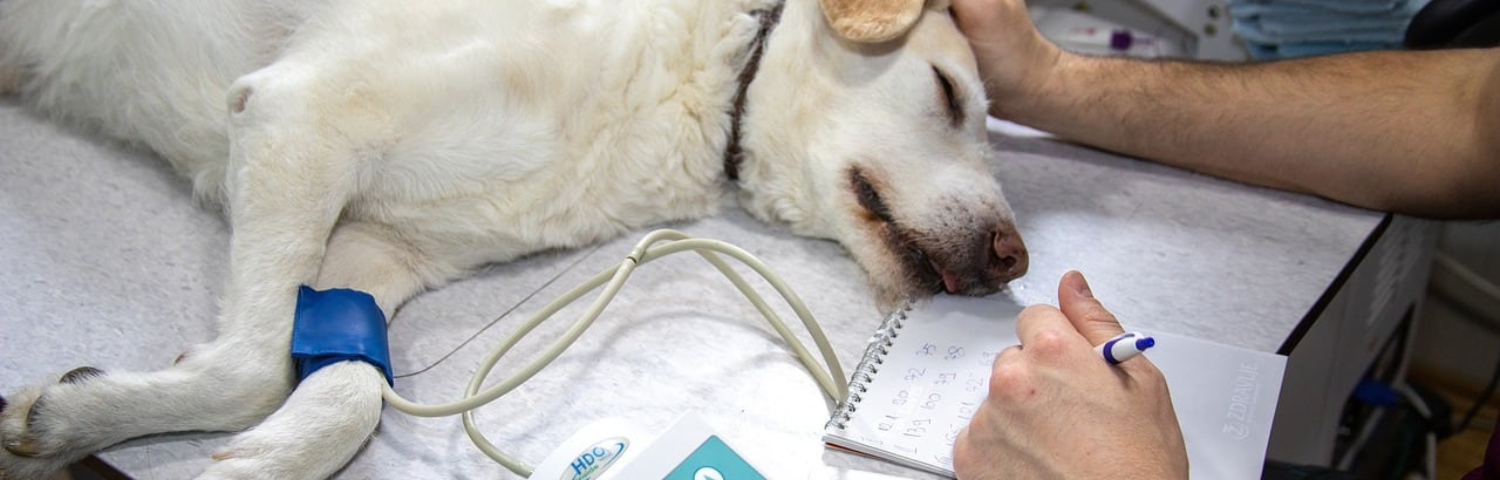
Before adopting or bringing an animal into the home, families usually have lots of questions about it. One of the most common is related to sterilisation in dogs. It is a topic surrounded by some controversy, as well as a few myths and doubts. That is why, in this article, we are going to try to answer as many questions as possible.
What does it mean to neuter a dog?
To understand what it means to neuter a dog, we need to know that there are major differences between males and females. In the first case, the testicles can be removed or the sperm ducts can be cut. In the second, the ovaries and uterus may be removed, only the ovaries may be removed, or the fallopian tubes may be tied. Vets will recommend the most suitable procedure depending on each animal's circumstances. In any case, the aim is to ensure that females cannot become pregnant.
When is it advisable to sterilise a dog?
Neutering offers more advantages than disadvantages in most cases, especially when we consider the animals' health. But that does not mean it is the ideal solution for every dog. Therefore, our advice is to speak to your vet about when to sterilise a dog and how to do it in the best way. The reason is that there are different factors that can influence sterilisation in dogs, such as age, height, weight, breed, size or social behaviour. Because of this, it is not possible to set an exact age for neutering. Other factors also need to be considered, such as the puppy vaccination schedule, the anaesthetic risk and the health benefits if they are neutered before 12 months of age. Although the right thing to do is consult your vet, as a reliable point of reference we can say that:
- Females should be neutered between 10 and 12 months.
- In the case of males, the procedure can be carried out at around 10 months.
Advantages and disadvantages of sterilisation in dogs
When talking about the advantages and disadvantages of sterilisation in dogs, it is common to mention some protection against cancer, but this comes with certain nuances. In the case of males, it protects them from testicular cancer. Likewise, it protects females against breast cancer and other tumours or even uterine infection. However, for this to be achieved, an early neutering procedure is necessary. Doing it after the first season or once they are already adults reduces its preventive effectiveness against cancer. However, if it is done early, it may involve urinary incontinence problems.
Advantages of dog sterilisation
- Avoiding unwanted litters.
- The signs associated with females being in season, such as bleeding and phantom pregnancies, disappear.
- The risk of suffering certain conditions is reduced, such as cancer or infections.
- The animal will show fewer behaviours related to sexual desire, such as urine marking or aggression towards other males.
- Males will not secrete smegma, which is a yellowish or greenish substance containing cell debris and dirt. It builds up in the genitals and the dog removes it by licking itself every day.
Disadvantages of neutering a dog
- It contributes to obesity and excess weight. To prevent this, the animal needs daily exercise and a healthy, balanced diet. At Farmaciasdirect we recommend changing your pet's diet to a specialised food for sterilised dogs.
- If females are neutered before 8 months, urinary incontinence problems may arise.
- Surgery and anaesthesia always involve a series of risks, although they are very low.
How much does it cost to sterilise a dog?
When carrying out this procedure on pets, the price is often taken into account very carefully. Especially if it is a female.
How much does it cost to sterilise a female dog?
On average, the price ranges from 200 to 360 euros. By contrast, if it is a male, the cost falls to between 100 and 250 euros. This is usually a drawback for many owners and, at times, it is what determines whether or not the procedure goes ahead. Even so, at Farmaciasdirect we would like to highlight that the costs that may arise from not opting for this surgery are usually much higher.
Differences between sterilisation in male and female dogs
Neutering females is more complicated than neutering males and involves more risks. The procedure is carried out by opening the abdominal wall below the navel and going through the subcutaneous tissue and muscle. Afterwards, part of the fallopian tubes, arteries and veins are tied off. In addition, the uterus and ovaries may be removed. The incision is then closed in layers with a continuous intradermal suture. In this way, everything looks neater and recovery is quicker. Finally, the anaesthetic is stopped. The animal remains under observation until it wakes up and is fully conscious, between 4 and 6 hours, before going home. As for sterilisation in dogs, the process is different. The incision is made in the skin over the scrotum and the testicles are removed through it. If the animal has cryptorchidism, that is, if the testicles are inside the abdomen or the inguinal canal, the procedure is similar to that for females. The incision is then closed with external stitches or with an invisible intradermal suture. Once the operation is finished, the inhalation anaesthetic is stopped until the dog is awake and conscious. This usually takes a couple of hours. With this article, we hope we have answered all the questions related to sterilisation in dogs, both in males and females. In addition, at Farmaciasdirect you can find the best products for dog care.