Deworming dogs: how to do it properly

Last updated: 5/20/2025
/ Published: 5/20/2025
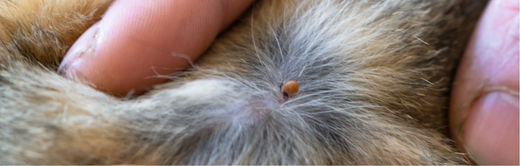
Deworming dogs is an important process for keeping your pet healthy, as intestinal parasites can seriously affect their wellbeing. In this post, we will look at how to deworm your dog and how often to do it to keep them well.
Types of parasites in dogs
There are two main types of parasites in dogs: internal (such as intestinal worms) and external (such as fleas, ticks or mites). We must not forget to cover deworming in both forms.
- Internal parasites: The most common are roundworms, tapeworms, hookworms and whipworms.
- External parasites: Fleas, ticks, mites and mosquitoes that can transmit diseases.
Symptoms of parasites in dogs
Depending on the type of infestation, they may be:
- Internal infestation: These are invisible, so it is even more important to know the symptoms. They may experience vomiting, diarrhoea, weight loss, a dull coat, among others, anal irritation (they may scratch or lick their anus to relieve the irritation), lethargy, anaemia (in extreme cases), visible changes in the stools such as small white specks (worms) and a swollen tummy, especially in puppies.
- External infestation: These can be spotted clearly with the naked eye, or sometimes by noticing tiny black specks in your dog's coat, which correspond to droppings. They usually have excessive itching, hair loss, reddening of the skin, and the presence of fleas or ticks.
What does it mean to deworm a dog?
Deworming a dog is the process of eliminating or preventing the presence of parasites that affect the animal's health. There are different types of deworming:
- Internal deworming: It focuses on eliminating parasites such as worms that live in the intestine and other internal organs.
- External deworming: Its aim is to eliminate parasites that affect the skin and coat, such as fleas, ticks, lice and mosquitoes.
How do I deworm my dog?
The method of deworming will depend on the type of administration chosen:
Featured products


Internal deworming
Which product can be used for deworming? Treatment is usually given orally, through tablets, syrups or palatable pastes, and it is recommended every 3 months in adult dogs, or more frequently in puppies or dogs with greater exposure to parasites.
External deworming
Which products should I use? You can deworm your dog using pipettes (Vectra 3D), flea collars (such as the Stanvet antiparasitic collar, Virbac Prevendog, Togo...), sprays (such as the one from Botanica Pets,) shampoos, tablets or topical treatments, which act as repellents or eliminate these parasites. Each of them has its advantages and disadvantages, so choosing one format or another will depend on your needs.
Tablets to deworm dogs internally and externally
There are also tablets to deworm dogs inside and out, designed to eliminate and prevent infestations of internal parasites (such as intestinal and heart worms) and, in some cases, external parasites as well (such as fleas and ticks).
Deworming dogs: how often?
When can a dog be dewormed? The recommended frequency for deworming dogs will depend on whether it is external or internal, as well as whether we are dealing with a puppy or an adult dog.
- Internal deworming: Puppies should be dewormed for the first time at 2-3 weeks of age, and then every month until 6 months. After that, it is recommended to deworm at least 2-4 times a year, depending on your dog's situation. In adults, it is recommended to do it at least every 3 months.
- External deworming: Some preventive treatments should be applied monthly, although there are others with longer-lasting action that can last for longer, such as collars in most cases.
Veterinary advice
- Regular vet visits: Your usual vet can help you determine the right deworming plan for your dog. You can also ask us your questions here.
- Clean environment: Keep the place where your dog lives clean and free from parasites. This includes washing their beds and resting areas, and properly cleaning the garden or the area where they spend time outdoors.
Deworming is essential to prevent serious health problems in your dog and also to protect members of your household, as some parasites can be passed on to people. Declare war on parasites.