Constipation in Dogs: Causes, Symptoms and Treatment

Last updated: 7/8/2025
/ Published: 7/1/2025
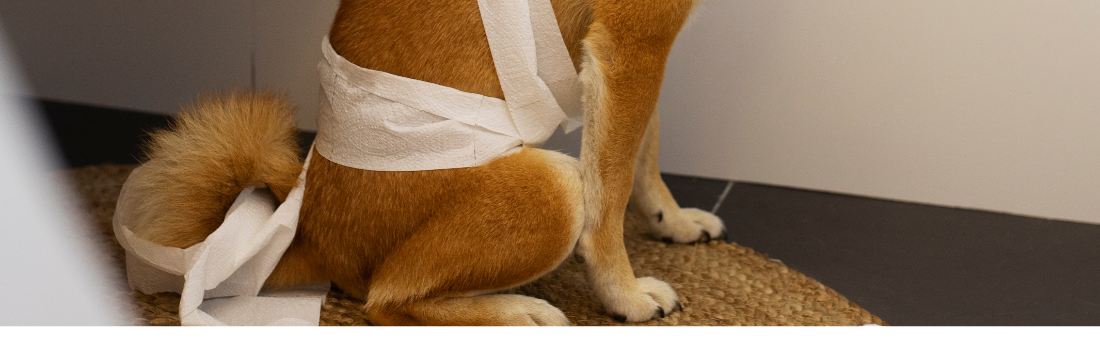
Constipation in dogs is a condition in which the animal has difficulty passing stools or is unable to do so normally. It can be uncomfortable and painful for the animal, so it is important to try to identify the causes and find a solution. Find out here how you can help your pet.
Constipation in dogs: most common causes
Among the most common causes ofconstipation in dogsthe following stand out:
- Inadequate diet:A diet low in fibre or water can be one of the main causes. Dogs need enough fibre to help stools pass more easily.
- Lack of exercise: Regular physical activity helps keep the digestive system moving. Dogs that do not exercise regularly may experienceconstipation problems.
- Dehydration:If the dog is not drinking enough water, its stools can become harder and therefore more difficult to pass.
- Intestinal obstruction:Swallowing non-edible objects, such as toys, bones or clothing, can cause an intestinal blockage and lead to constipation.
- Underlying medical problems: Conditions such as colon problems, infections or neurological diseases can interfere with the normal process of defecation.
Symptoms of constipation in dogs
As for the symptoms, these are the most common:
- Excessive straining when trying to pass stools.
- Dry, hard stools, sometimes in the form of small pellets.
- Abdominal pain or bloating.
- Less frequent bowel movements.
- Licking or biting the anal area.
Featured products


Treatment for dogs with constipation
If your dog is constipated and you want to know what you can give them, this is the first thing you should check:
- Dietary adjustments: Make sure your dog receives a balanced, fibre-rich diet. Adding tinned pumpkin (with no sugar) or including foods specially formulated to improve digestion could help.
- More water and exercise: Make sure your dog has constant access to fresh water and gets daily exercise to stimulate its digestive system.
- See the vet: If the constipation persists or if the dog shows signs of pain, take it to the vet for a proper examination and diagnosis. In more serious cases, the vet may recommend medication or, in very severe cases, surgery to relieve a possible obstruction.
Laxatives for dogs with constipation
Is your dog constipated and you do not know what you can give them? Although the first line of management usually involves increasing fibre in the diet, there are different types of laxatives for dogs, in supplement form, which help promote proper intestinal motility:
Laxavet
It is a food supplement for dogs and cats mainly used to relieve constipation and regulate intestinal transit. The formula of Laxavet stands out for its psyllium content, an ingredient with a high capacity to retain liquids, helping to increase stool bulk for the regulation of intestinal transit. It also helps to coat the digestive mucosa.
Fibor
This supplement for dogs with constipation helps to improve digestive health. It also helps in cases of soft stools and other problems related to anal gland impaction. Its formula contains psyllium, beetroot, wheat bran, inulin, beta-glucans, MOS and kiwi concentrate. Thanks to this composition, Fibor attracts water, softens stools and increases stool bulk, stimulating intestinal motility and natural evacuation.
Laxagreen
The natural laxative for dogsLaxagreen is formulated with psylillium, a soluble fibre which, when hydrated, increases in size to add bulk to stools and make them easier to pass. This supplement is indicated for cases of mild constipation.
When choosing the best laxative for your constipated dog, it is essential to remember that you should always consult your vet first, who will assess the cause and severity of the problem and recommend the most suitable treatment.