Photosensitising Active Ingredients in Summer

Last updated: 2/7/2024
/ Published: 6/10/2021

There are photosensitising active ingredients which, although they help tackle skin imperfections, we should avoid using during the summer and replace with others that are better tolerated. Do you know why? In today’s post, we explain this and which ingredients to add to your routine. Keep reading!Summer will always be the time of year when we are exposed to the sun more often and for longer, which is whyour skin needs extra care and protection to prevent allergic reactions, irritation, itching, dark spots...
So... what happens to my facial routine? Should I change it? It depends on the products and active ingredients you use, but yes. At this time of year, the best thing to do is adapt it,incorporate lighter textures and remove heavier ones, as well as reduce the concentration of some active ingredients, replacing them with others that hydrateand help prevent the harmful effects caused by UVA and UVB radiation.
Differences between photosensitive and photosensitising active ingredients
When we say that an active ingredient or treatment is photosensitive, do we mean photosensitising? Here is the difference between the two terms:
- Photosensitive:these are those thatoxidise or change their structure when exposed to the sun and, therefore,lose their properties and benefits.
- Photosensitising:these are products thatcause a harmful reaction in the skin when it is exposed to ultraviolet radiation.
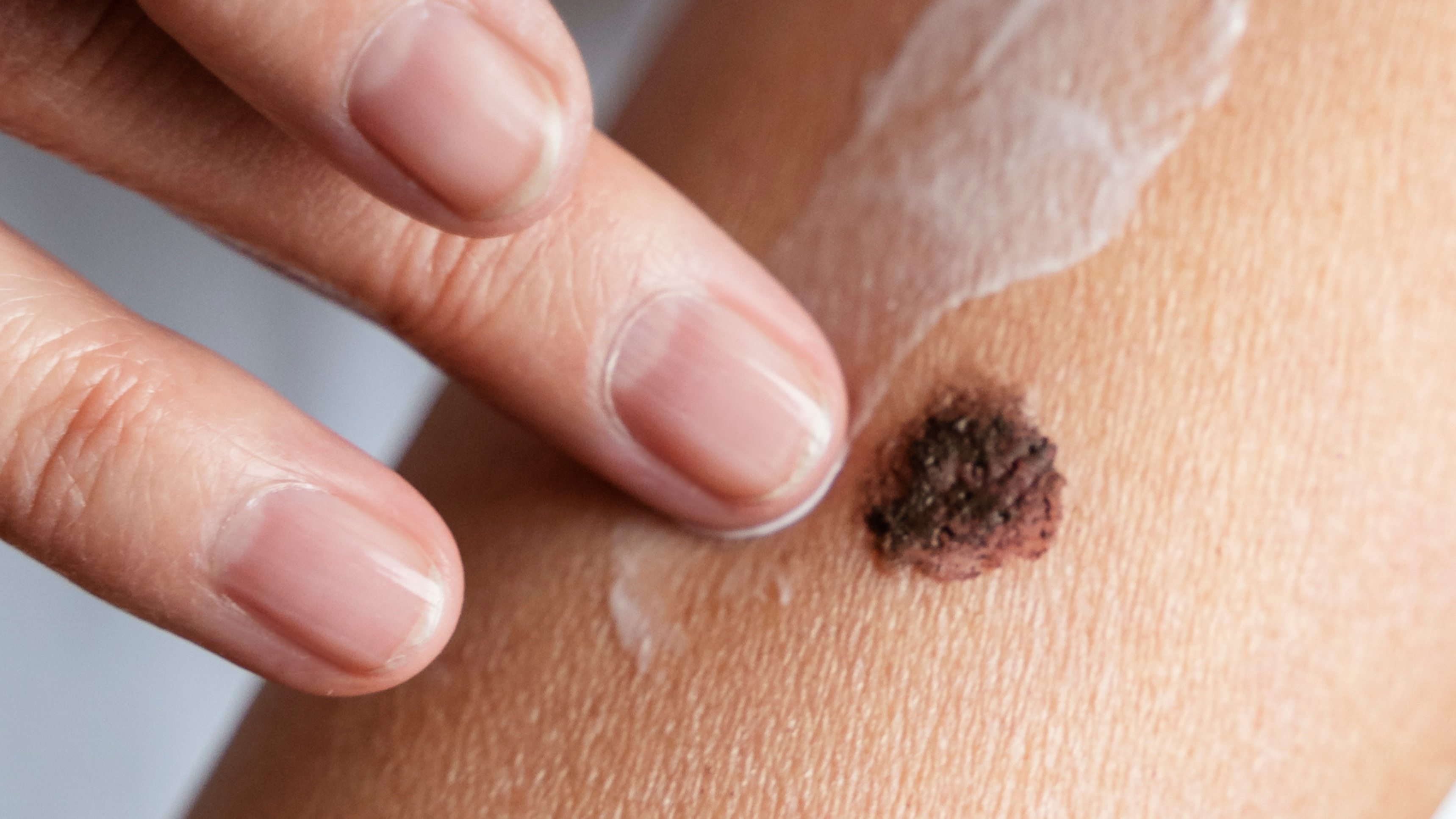
As we mentioned earlier,photosensitisers are a type of active ingredient that can cause harmful effects on a person’s skin when it is exposed to the sun.Such reactions may include the following:blisters, oedema and erythema, among others. These responses from our bodycause itching and usually subside when we stop applying a product or taking a photosensitising medicine.However, there are some cases in which we may seehyperpigmentation(dark spots)for months and even years.
Most common medicines with photosensitising active ingredients
Some of themost common medicines that can cause photosensitivityand which, together with radiation, can lead to serious skin damage are:
- Antidepressants.
- Non-steroidal anti-inflammatory drugs (ibuprofen, diclofenac...).
- Antihistamines.
- Antihypertensives.
- Antimicrobials.
- Someantipsychotics.
- Thiazide diuretics.
- Cardiovascular medicines.
- Lipid-lowering medicines.
- Psychotropic medicines(antipsychotics, anxiolytics, antidepressants...).
- Gastric protectors(such as omeprazole).
- Retinoids.
- Chemotherapy drugs.
Photosensitising active ingredients to avoid in summer
And now, the photosensitive active ingredients we should avoid in summer because of high sun exposure:
- Perfumesin general, due to their high alcohol content.
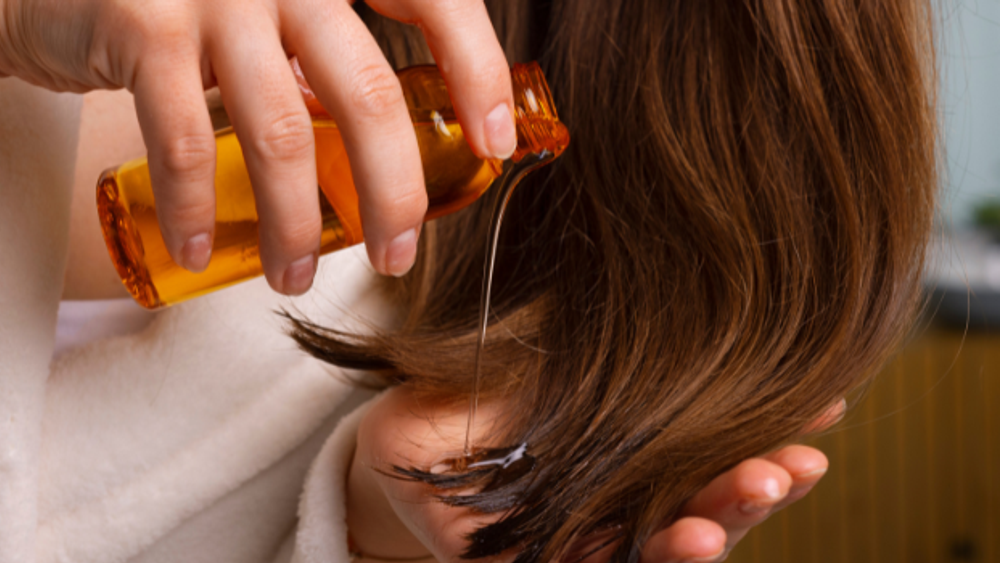
- Essential oils.
- Retinol. This component is vitamin A and is used to regenerate the skin, but retinol irritates the skin when it is exposed to the sun, leaving it unprotected.
- Benzoyl Peroxide. It is used in acne treatments.
Featured products


- Salicylic Acid,because due to its exfoliating power, the skin is left quite weakened and more sensitive to UVA and UVB rays.
- Hydroquinone. It is used to remove dark spots on the skin.
- Somecolourants.
- Certaintopical prescriptions(consult your doctor or dermatologist).
Photosensitivity reactions
- Hyperphotosensitivityor sun allergy. This is animmune system reactioncaused by high sun exposure.
- Polymorphic light eruption.It is caused by sunlight (especially UVA rays). However, the exact origin of this condition is unknown. Although this situationoccurs more in women than in menand in people who are not usually exposed to the sun as much.
- Solar urticaria.These are the marks thatappear immediately after sun exposure.These welts usually last minutes or hours, or even indefinitely in some cases.
- Photoallergy. It causes redness, flaking andsometimesblisters and dark spots.It usually appears after applying aftershave lotions or sun creams. In addition, photoallergic reactionscan affect areas that have not been exposed to the sun. They normally appear between 1 and 3 days after sun exposure.
- Phototoxicity.This chemical reactioncauses pain, inflammation and redness.The symptoms are similar to those of sunburn.They only appear on areas of skin exposed to the sun, especially a few hours after exposure.
If any of these reactions occur, our recommendation is to seea dermatologist or pharmacist so they can advise which product to apply to hydrate the skinwith non-perfumed emollient substances. However, in more serious cases,a dermatologist should prescribe an anti-inflammatory treatment with corticosteroids.
Tips to prevent photosensitivity caused by treatments
Although not everyone following treatment with photosensitive medicines suffers from these reactions and problems, as the saying goes, “prevention is better than cure”. So, at Farmaciasdirect we recommend:
- Before starting treatment, we shouldtell our dermatologist or pharmacist about our lifestyleand whether we are normally exposed to the sun (outdoor sport, working in the countryside...).
- Whenever possible, apply these treatments at night, as there is no sun exposure then.
- Do not stop the treatmentduring your summer holidays. Before doing so, ask your doctor what they consider appropriate. They may advise you tointerrupt treatment during that period or replace itwith another medicine.
- Use sunscreenswith a high level of protection.
- Apply sunscreen every two hours to the areas with the greatest sensitivity(face, shoulders and chest). Likewise, we recommend reapplying sun protection every time you get out of the water or sweat excessively.
- Avoid sun exposure during the hours of greatest intensity,between 12:00 and 18:00.
- Wear items such as sunglasses or hatsto protect yourself from solar radiation.
- Do not undergo treatments in artificial tanning booths.
- Consult your doctor or a specialist as soon as you notice any reaction on your body.
Which active ingredients can I use in summer?
After reading all this, you are probably wondering: so what routine should I follow? Which active ingredients can I use at this time of year? Here are the ones you can use in summer. That said, always combine them with sun protection:
- Vitamin C.This ingredient can be used in summer because it does not stain the skin. Although it is still a photosensitive active ingredient (it oxidises in the sun), it would not damage our skin. The only thing that could happen is that the pores become clogged, and then we should exfoliate once a week to keep the complexion clean.
- Glycolic Acid.Although it is not photosensitising, products with glycolic acid trigger cell renewal. This process leaves our skin more vulnerable to solar radiation. And although we can use them in summer, we should always apply them at night.
- Hyaluronic Acid.It can be used all year round, and summer is actually one of the most recommended times to use it because it provides radiance and hydration against dehydration and the high temperatures typical of this season.
Not sure how to adapt or replace your beauty routine?Get in touch withour team of pharmacy advisersand get your skin ready for summer.