Home / Blog / Natural medicine / What to take for water retention
What to take for water retention

Last updated: 7/4/2025
· Published: 6/4/2025
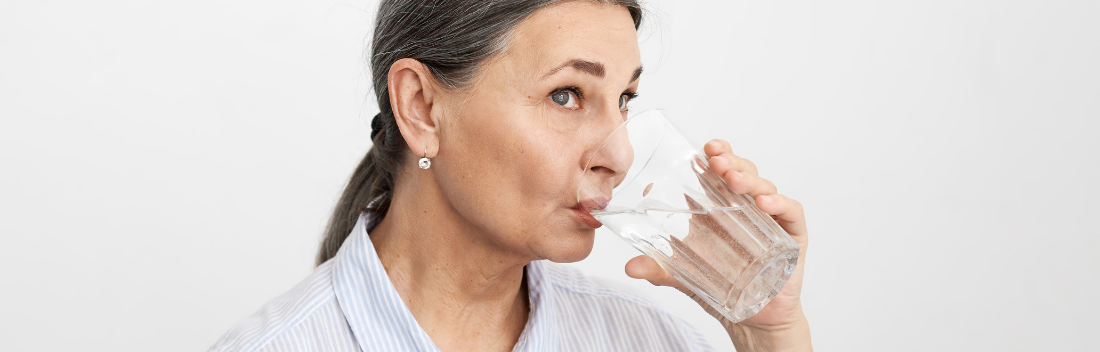
Sometimes, we feel bloated and feel that we are retaining more water than we need in certain areas of our body. In the following post, we explain what to take for water retention, both to help prevent it and to improve it.
What is water retention?
Water retention, also known as oedema, is a condition in which fluid builds up excessively in the tissues, leading to swelling, especially around the ankles, legs, abdomen or hands. It is a symptom that can appear for different reasons, but it is important to keep it under control to avoid complications that may affect the quality of life of the person who suffers from it.
Symptoms of water retention
The most common signs include:
- Swelling (oedema) in certain areas of the body such as the legs, ankles, feet, hands, abdomen or even the face.
- A feeling of heaviness, mainly in the lower limbs.
- Sudden weight gain, with no apparent cause.
- Reduced frequency and/or amount of urine.
- Tight, shiny skin and, at times, marks after applying pressure to it.
- Stiffness in the joints, making movement difficult.
- Pain, discomfort or unease in the affected areas or a feeling of tired legs.
- Fatigue and tiredness in a generalised way.
- Abdominal distension or swelling of the abdomen.
- Worsening of cellulite.
Causes: why is fluid retained?
Water retention occurs because this water passes from the blood vessels into the tissues and the circulatory or lymphatic system is unable to reabsorb it properly. This situation may arise from a condition or disorder, but also from lifestyle habits that are not entirely healthy:
- Sedentary lifestyle: A lack of movement and physical exercise makes circulation more difficult.
- Foods high in salt: Adding too much salt to meals means this excess sodium encourages water build-up.
- Static postures: in other words, spending a long time sitting or standing, or changing position very little, can affect circulation.
- Hormonal changes can also have an influence, for example during menstruation, menopause or pregnancy.
- Certain medicines, such as corticosteroids, may encourage water retention.
Featured products


- Venous insufficiency: this condition, in which the veins have difficulty returning blood to the heart, can also contribute to water retention. It is common, especially in the legs.
- Some conditions of renal, liver or cardiovascular origin.
What to take for water retention?
Sometimes our body needs extra support to eliminate excess fluid that worries us so much. In these cases, we should complement our diet with specific active ingredients found in natural diuretics for water retention. These are our favourites:
Aboca Lynfase Fluido Concentrado
The fluido Lynfase de Aboca helps improve the drainage of bodily fluids and vascular wellbeing. We love it because it is a food supplement containing a high concentration of:
- Natural diuretic active ingredients, such as dandelion, goldenrod and orthosiphon.
- Active ingredients that stimulate circulation, including buckwheat and butcher's broom.
It is advisable to take one bottle a day, preferably in the morning, diluted in a large glass of water.
Aboca Lynfase Tisana
The tisanas Lynfase have the same composition as the concentrated fluid, although they differ in how they are taken. Ideal for infusion lovers, it is recommended to take one a day, preferably in the morning.
To enjoy a good infusion, simply leave the tisana in a cup of boiling water for 5-7 minutes, covering the container.
Solutions for water retention
We suggest some pharmacy advice that you can easily apply to help prevent and improve water retention:
- More movement and physical exercise.
- Change position from time to time.
- Reduce salt intake in meals.
- Drink 1-2 litres of water a day.
- Keep your weight under control.
- Manage stress.
- Use compression stockings if you need them.
All these recommendations are aimed at stimulating circulation so that the circulatory and lymphatic systems can drain properly. We recommend that if, after following all our advice, the problem does not improve or persists, you see a doctor so they can assess your case individually.