Home / Blog / Kids health / Childhood insomnia: what to do to combat it
Childhood insomnia: what to do to combat it

Last updated: 2/9/2024
· Published: 2/19/2021
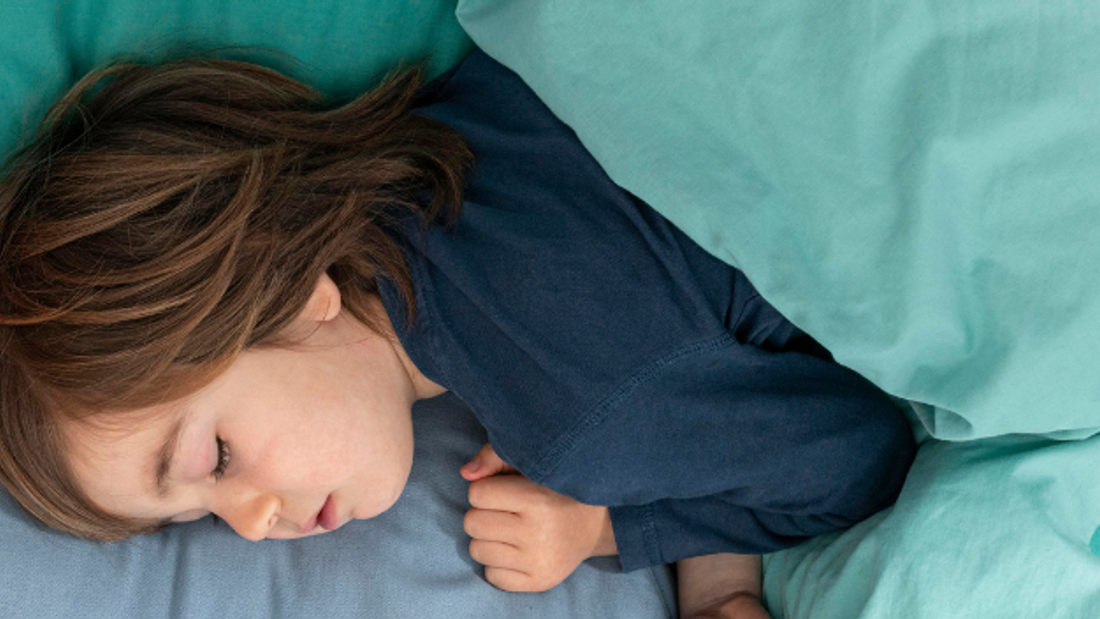
Childhood insomnia is a sleep disorder that affects one in four Spanish children. In this post, we explain the mostcommon causes and treatments to combat childhood insomnia.
Keep reading. Childhood insomnia is a disorder that makes it difficult or impossible to fall asleep and maintain sleep normally.
This alteration in rest can occur in both adults and children, affecting physical and mental health. According to the Study Group on Wakefulness
and Sleep Disorders of the Spanish Society
of Neurology, since 2018 almost 25% of
- children have suffered from some sleep disorder. Causes of childhood insomnia. There are several causes that lead to
- poor sleep hygiene and therefore affect children’s rest. High exposure to light from screens and other devices. Very long daytime naps. Naps are normal in children under 6 years of age, but long daytime
- rests in children older than this are not so normal and may cause insomnia.
- Passive smoking.
- Physical activities, such as sport, and mental activities,
- such as schoolwork, that activate children before bedtime. Stress or anxiety.
- Hyperactivity.
Featured products


- Children with ADHD often show symptoms of not being able to fall asleep, such as restless legs syndrome.
Using the bed for activities unrelated to rest, such as reading, playing, eating or studying. Night terrors. These episodes are caused by emotional tension and fatigue. There are also medical reasons that may affect children’s correct rest. On one hand, illnesses such as otitis, colic or other pain can prevent sleep, and allergies can also fragment rest time. On the other, sleep apnoea orenuresis are other causes of childhood insomnia.
Treatments for childhood insomnia.
Some of the keys that can help combat childhood insomnia and improve sleep include a healthy, balanced diet. Avoid heavy evening meals. Do not consume caffeine products or chocolate during the 3 to 4 hours before bedtime.
- Establish a regular rest schedule. It is advisable to put children to bed early, around 8 p.m., as they need 9 to 10 hours of sleep per day.
- Daytime physical activity. Practising sport in the afternoon can help them fall asleep. Adapt the bedroom for greater comfort,
- using dim light and avoiding excessive noise. Relaxation activities for the child can
- also help, for example reading a story or talking about things that happened during the day in a soft, pleasant voice.
- Food supplements and infusions that help children fall asleep and achieve restorative sleep can also be added. Do not miss the next Farmaciasdirect posts, where we
will explain which supplements to incorporate to combat childhood insomnia. If you suspect that the cause of insomnia may be medical, we recommend consulting a specialist. They will carry out a study and determine which treatment should be followed.
We have lowered the prices of face masks. We want to keep caring for you, so we have created a selection on our website
with approved fabric, surgical, FFP2 and FFP3 masks for children and adults, with up to 60% off. For more information, click here.