
Home / Blog / Kids health / Night Terrors in Babies and Children: Causes, Symptoms and Treatment
Night Terrors in Babies and Children: Causes, Symptoms and Treatment

Last updated: 7/4/2025
· Published: 5/28/2025
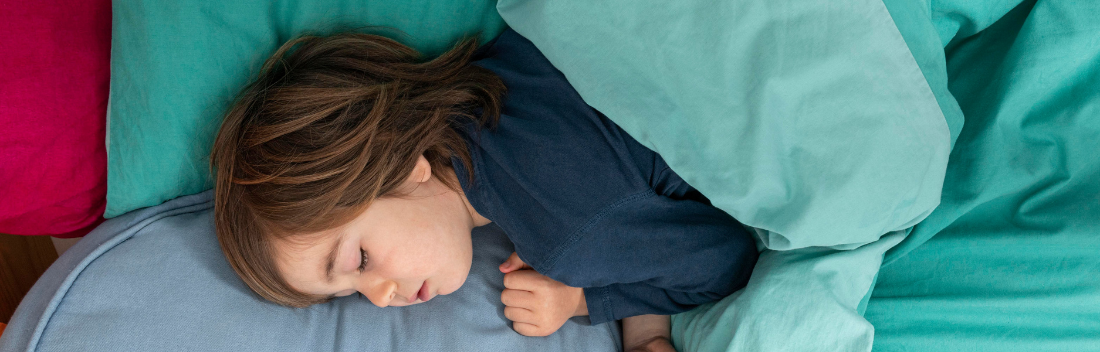
We know that rest is essential for good physical and psychological development in children. But little ones sometimes go through episodes known as night terrors, which are sudden awakenings and inconsolable crying in the middle of the night, leaving adults unsure what to do or how to react. In this post, we help you understand these episodes, their causes and how we can manage them through a natural, safe and effective approach.
What are night terrors?
They are sleep disorders that appear as episodes of intense fear and usually occur during the deepest stages of non-REM sleep, generally in the first few hours of the night.
They normally appear between the ages of 2 and 7. Although night terrors in babies are less common than in older children, they can occur from 18 months of age or even earlier.
Symptoms of night terrors
Their main features are:
- Sudden waking accompanied by crying, screaming or intense fear.
- Sweating, a racing heartbeat and a blank stare.
- The child does not respond to comfort and often remembers nothing the next day.
Nightmare or night terror: what is the difference?
Nightmares and night terrors are two different sleep disorders, although both can cause fear and distress. The main difference lies in the stage of sleep in which they occur.
- Nightmares: these occur during REM sleep, generally in the last third of the night.
- Night terrors: these occur during deep (non-REM) sleep, usually in the first third of the night.
What causes night terrors?
The truth is that the causes of night terrors are not entirely clear, although there are common factors such as lack of sleep or irregular sleep, nervousness, stress or anxiety, changes in routine such as starting nursery or moving house, fever episodes or illness, and even a genetic predisposition.
How should we react during an episode?
It is important not to wake the child. Although it may seem distressing, interrupting the episode suddenly is worse. We should therefore:
Featured products


- Stay calm
- Make sure the child is in a safe place, with no objects nearby that could cause harm.
- Wait patiently until it passes, which is usually between 5 and 15 minutes.
- The following day, act normally and try not to focus on the episode that happened.
Treatment for night terrors
How can we help improve their rest? In many cases, night terrors in children and babies disappear with time. Even so, we can help improve sleep quality and reduce anxiety through healthy habits and some food supplements:
- Aboca Sedivitax Paediatric: specially formulated for children, it combines extracts of lemon balm, passionflower and chamomile. It helps promote sleep and make it restorative, reduces nervousness or agitation just before bedtime, and improves sleep quality without causing dependence. This supplement is recommended, for example, for restless children, those who are more sensitive to change or those who experience frequent night terrors.
- Aboca Sedivitax Capsules: these capsules, which can be taken by both teenagers and adults, work naturally on the nervous system, helping to combat occasional insomnia or prolonged stress, encouraging deeper rest and reducing the anxiety that builds up during the day.
Parents whose sleep is affected by their child’s poor sleep can also use it.
Other recommendations:
- Keep sleep schedules regular.
- Avoid screens for at least 1 hour before bedtime.
- Introduce relaxing routines such as warm baths, stories or soft music.
- Have a light evening meal at least 2 hours before going to bed.
Night terrors in babies and children can be distressing, but they are part of the normal development of sleep. With patience, affection and support from supplements, it is possible to reduce how often these episodes happen and how intense they are.
If you need further advice or a more medical treatment approach, do not hesitate to consult your paediatrician first.