
Skin Urticaria: Symptoms, Types and Treatment

Last updated: 7/4/2025
/ Published: 7/2/2025
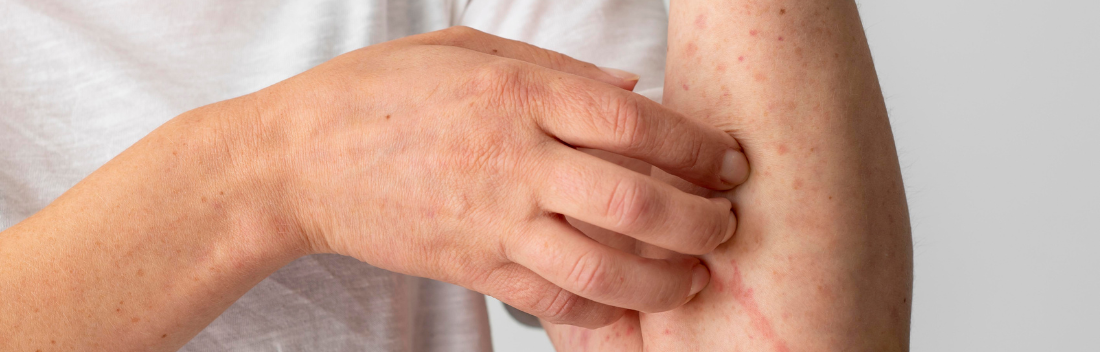
The skin is the body’s first line of defence. When something is not right, one of the first signs that may appear is urticaria on the skin. FarmaciasDirect explains everything you need to know about urticaria and when it may be related to an insect bite.
What is skin urticaria?
Urticaria is an inflammatory skin reaction characterised by the appearance of reddish, raised and itchy weals, caused by vasodilation and inflammation. These lesions or weals can vary in size and shape and disappear within hours or days, although it is important to bear in mind that they may reappear on other parts of the body.
It is a condition that can affect people of any age or sex.
Symptoms of urticaria
The most characteristic symptoms of urticaria are reddish or pink weals, sometimes skin-coloured, accompanied by intense itching and inflammation in the area. It usually disappears spontaneously within a few hours.
- Intense itching.
- Reddish weals, or weals the same colour as the skin, raised and with defined edges.
- The lesions may change shape and disappear or reappear within minutes or hours.
- Weals with angioedema may also appear.
Causes
Why does urticaria appear? It appears because the skin reacts to a threat by releasing histamine and other chemical substances in the skin, leading to the symptoms mentioned above.
The most common causes of skin urticaria include:
- Allergic reactions.
- Viral or bacterial infections, such as mononucleosis.
- Physical factors such as exposure to cold, heat, pressure, friction, sunlight or even water.
- Stress or anxiety: emotional factors such as stress and anxiety can both trigger and worsen urticaria.
- Autoimmune diseases, such as thyroid disease, lupus or some cancers.
Although it can appear on any part of the body, it can sometimes become serious, as in the case of angioedema or when it leads to a systemic allergic reaction.
Types of urticaria
There are 2 types of urticaria, depending on how long the symptoms last:
- Acute urticaria: this is the most common type and usually lasts less than 6 weeks. It can be triggered by food, medication, viral or bacterial infections, cold, heat or insect bites.
- Chronic urticaria: this lasts more than 6 weeks and continues over time. The cause is often not established, but it may have an autoimmune component or be related to high levels of stress and anxiety.
How long does urticaria last?
Featured products


Normally, urticaria usually disappears in less than 24 hours, although it may recur in the following days and then disappear again. In cases of chronic urticaria, it can last for months or even years, alternating between stable periods and flare-ups.
Urticaria caused by insect bites
With summer come mosquitoes, exposure to other insects and their bites. This is the time of year when most queries about insect bites arise both at the doctor’s surgery and in the pharmacy. Often, these bites do not only appear as local swelling and itching, but urticaria can also appear in response to an insect’s venom. This is usually linked to mosquitoes, bed bugs and fleas. You can relieve symptoms by using a cream for urticaria, such as Fenistil, which has antihistamine properties.
How to prevent and improve urticaria caused by bites
The best way to prevent this type of urticaria is to avoid getting bitten. To do so, we recommend the following:
- Avoid dawn and dusk, as well as areas of stagnant water, to reduce mosquito bites.
- Wear long, loose-fitting clothes.
- Avoid wooded areas without proper protection.
- Avoid sweet-smelling perfumes.
- Use mosquito nets.
- Use insect repellents: topical products, electric devices, diffusers, sprays and more.
- Fumigate where appropriate.
- If you live with pets, deworm them regularly.
Best pharmacy antihistamine for urticaria
The most effective and direct way to act on urticaria caused by a bite is topically, using creams for urticaria:
Fenistil
It is a medicine for bites and irritation that does not require a prescription. Its topical antihistamine action gives instant relief from itching and helps improve irritated skin and urticaria. It does this thanks to its active ingredient, dimetindene maleate, an antihistamine that combats histamine release, thereby reducing inflammation, swelling, itching, redness and urticaria.
This antihistamine medicine can also be used for minor sunburn and superficial burns. It is suitable for adults and children from the age of two and is available both as a gel and in roll-on format.
Syndet shower oil or gel
These are hygiene products that do not disrupt the skin barrier during bathing and provide comfort. The word comes from the English term “synthetic detergent”, so when we refer to syndet we mean synthetic detergents, more commonly known as soap-free cleansers.
Repairing and soothing creams, gels or balms
Daily cleansing and moisturising products for skin with urticaria should include soothing, repairing, regenerating and protective ingredients in their formulas. It is important to remember that these products are complementary to the topical treatment of the symptoms.
Remember that if urticaria does not improve or gets worse, we recommend seeing a doctor. If you have any doubts, you can contact our pharmaceutical team.


