
Home / Blog / Health and care / Red and Irritated Skin: How Can You Treat It?
Red and Irritated Skin: How Can You Treat It?

Published: 10/31/2025
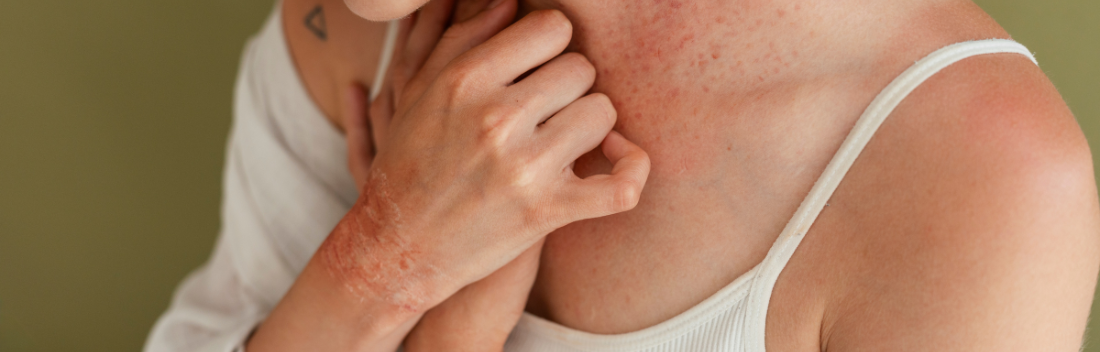
Did you know that it is possible to keep your skin healthy and free from irritation even when you are exposed to harsh factors such as cold, wind or stress? In this article, you will discover what causes red and irritated skin and how the right routine with specific products can transform the health of your skin.
Why does our skin become irritated and red?
The skin is our first line of defence, protecting us from external agents, but sometimes it can also be very sensitive to them, for example to the cold, the wind, heating, the use of some harsh skincare products and even stress.
All of the above can cause our skin to become red facial skin, irritated, tight, flushed or itchy. In short, uncomfortable and unpleasant.
The good news is that we can solve it by using the right products for these skin types, especially ingredients focused on soothing, hydrating and above all repairing the damaged barrier function.
How can you build a good facial skincare routine?
1. Cleansing
In this first step, when cleansing reddened skin, we should choose gentle products that cleanse while still respecting the skin. They should not foam too much, because that is usually a sign of detergent agents, which tend to be quite harsh on sensitive skin. We should also avoid products with strong fragrances.
2. Deep, soothing hydration
When this type of skin is irritated, it needs a soothing action, good hydration and, above all, repair and regeneration of the barrier function. Here, some allies that can be very useful include:
- Avene Hydrance Aqua Gel: its formula is focused on hydrating and repairing the skin, making it suitable for the most sensitive skin types. It has an aqua-gel texture, so it is very light and fast-absorbing.
Sometimes it is also necessary to repair and regenerate, while at the same time trying to calm itching and irritation.
Featured products


- Lipikar Baume AP+: this is a balm, so it provides a great deal of hydration and barrier repair. It also relieves itching and is suitable even for skin with an atopic tendency.
3. Forgotten areas
People with sensitive, atopic-prone or even dry skin that is not properly hydrated or nourished can also suffer the consequences in specific areas such as the hands or lips. We also have suitable products for these areas to help with their regeneration.
- Hands: it is worth looking for formulas focused on repairing and creating a protective barrier, but without leaving a greasy or heavy feeling, such as the formula of Neutrogena hand cream.
- Lips: likewise, the lips are another exposed and very sensitive area, for example to the cold or wind. They are one of the areas that crack most easily, so it is essential to provide repairing and soothing ingredients that protect against the cold and wind. Here, Neutrogena has another essential option for these cases with its nose and lips balm.
Our advice as pharmacists
Other tricks we can apply in everyday life to keep our skin healthy are to avoid, or make small changes to avoid, the factors that help prevent skin irritation, damage or dryness.
- Avoid very hot showers. This is one of the main factors that dries out the skin and makes it even more sensitive.
- When drying yourself after a shower or after washing your hands, do it gently and, if it is the face, pat rather than rub.
- We can also use humidifiers at home if we have the heating on in winter, as the environment can become too dry, affecting not only the skin but also the nasal passages and throat.
- Drink plenty of water to keep yourself hydrated from the inside too.
If you would like us to help you find the product best suited to your sensitive skin and want to get rid of the feeling of tightness, irritation or dryness, you can contact our Pharmaceutical Team and our experts will advise you personally.