
How to Tell If You Have a Spring Allergy

Last updated: 1/29/2024
/ Published: 3/7/2023
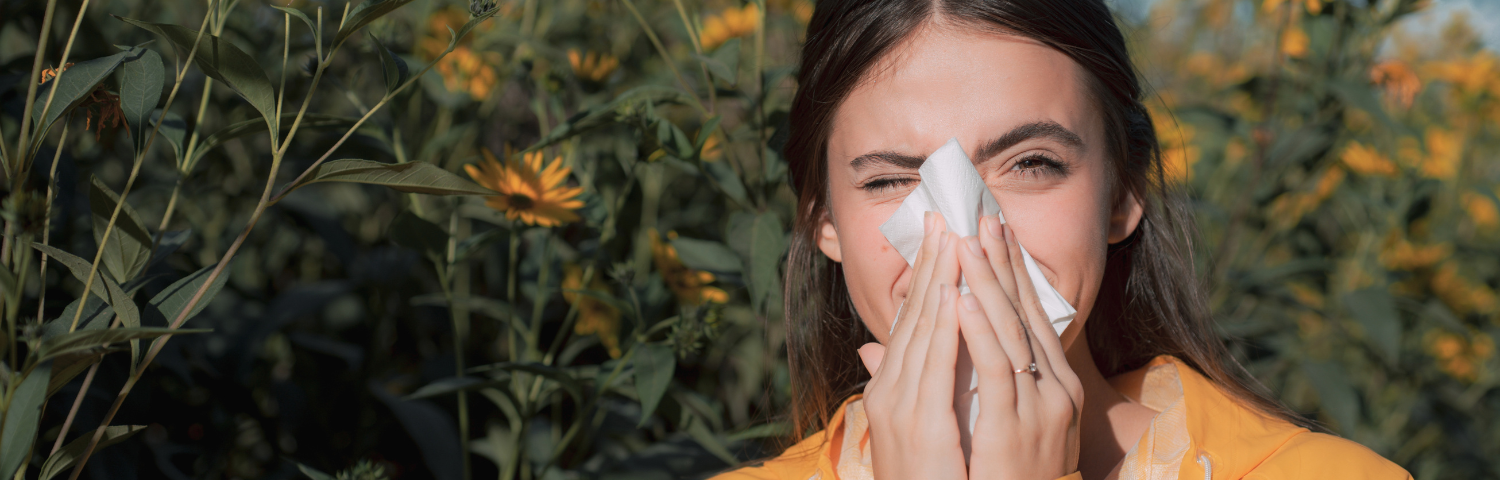
The arrival of warmer weather is a reason to feel happy, except for those who suffer from thesymptoms of spring allergy. With the first rays of sunshine and the rain, the air fills with different elements that have a significant effect on some people’s health. Below, we will show you how to identify aspring allergyeasily.
What is spring allergy and what are its symptoms?
This reaction, which appears when winter ends, is animmune responsethat some people have to certain substances, such as pollen. This problem affects approximately 15% of the Spanish population and, in most cases, grasses are responsible. The presence of pollen in the air increasesallergic rhinitisand other similar reactions that are considered seasonal among the population.
When do the symptoms appear and which are the most characteristic?
The symptoms ofspring allergybegin a few minutes after coming into contact with pollen. These are the most common signs:
- Nasal congestion and sneezing. Some people sneeze continuously for quite a while and, at the same time, notice their nose becoming congested.
- Conjunctivitis. Some of the first reactions can be seen in the eyes. Itching may turn into inflammation of the conjunctiva or episodes of conjunctivitis.
- Itchy and irritated throat and nose. The drier the throat is, the more discomfort is usually felt.
- Headache. If it causes sinusitis, it is possible to suffer severe headaches.
- Difficulty breathing and coughing. These symptoms, together with a series of wheezing sounds, are known as pollen asthma. It is more serious than it seems, as it may warn us that ananaphylacticshock could occur.
For this reason, if you experience this type of symptom, the right thing to do is visit your doctor, who may recommend the use ofallergy medicinesaccording to each case. In fact, identifying that a person has an allergy is the most important step in prevention during the months when pollen concentration in the air is high.
Treatments for spring allergy
At present, there areseveral ways to deal with the symptomstypical of spring in people who have shown a certain sensitivity. All of them are very effective and, thanks to them, those who suffer from this condition year after year barely notice it. What are the best treatments?
Microimmunotherapy
Immunomodulation therapy uses the messengers of the immune system to send the body the information it needs. The formulations used in this treatment, specifically, are made withdifferent substances at very low doses.In this way, tolerance is ensured while the effects they produce are curbed. On the other hand, it can be included within aprevention strategy. Due to the characteristics of its components, it aims to regulate the inflammatory processes associated with allergic reactions. Likewise, it helps reduce the exaggerated response that occurs when coming into contact with allergens.
Allergy vaccine
Also known asdesensitisation immunotherapy.It involves administering the element that causes the allergy sublingually or subcutaneously in increasingly higher doses. The allergy specialist is the one who indicates the maximum dose to be received. This process is lengthy, as it lastsbetween three and five years,and may cause discomfort and the symptoms typical of this condition. However, to date, this is the only treatment capable not only of improving the allergy, but of making it disappear.
Antihistamines
This group of medicines is designed torelieve allergy symptoms. Essentially, their mechanism of action blocks histamine, which is a chemical substance produced by the body itself and responsible for its manifestations. It also plays a role in regulating sleep cycles and the secretion of gastric juices. In general, the antihistamines most commonly used and prescribed are: loratadine, levocetirizine, cetirizine, desloratadine and ebastine. Other solutions used arenasal sprays and decongestant products.However, our recommendation at Farmaciasdirect before using any of the treatments mentioned is to consult a doctor or pharmacist. After all, we are the professionals able to recommend some very simple measures to ease thesymptoms of spring allergy in adults.
Is it possible to prevent the symptoms of spring allergy?
Plants, like any other living thing, have to follow their life cycle. This means that it is not possible to stop them from spreading their pollen through the air in order to reproduce. However, it is possible to prevent the reactions they cause in our bodies. To do so, the best thing is toreduce exposure to allergensas much as possible by following these guidelines:
- When a person knows they have an allergy, they should make sure tocheck the pollen levels in the area where they live. Thanks to the website of the Spanish Society of Allergology, this information is very easy to obtain.
- Although it may seem silly, it is advisable toavoid visible pollen. For example, grasses produce a whitish pollen similar to cotton that floats in the air.
- On very windy or very dry days, it is advisable to minimise time spent outdoors, as pollen concentration rises sharply. It is better to go out after rainfall, as water clears pollen from the air.
- At home,keeping windows and doors closedprevents allergens from getting inside.
- As far as possible, avoid going outside between five and ten in the morning and from seven in the evening until ten at night. Thesetime slotsare when pollination is most concentrated.
- If travelling by car, it is advisable to do so with the windows closed at all times.
- Do not dry clothes outdoorsso that pollen does not become embedded in them.
- Usesunglasses and a face mask, especially if you spend many hours outdoors.
- Do not carry out gardening tasks such as clearing weeds or mowing the lawn, and do not sit on it either.
These are, broadly speaking, themost common symptoms of spring allergyamong the population. With this advice, we hope spring will be more bearable for those who suffer from this condition.


