
Allergy in Children: How to Help Your Child with Symptoms

Last updated: 12/20/2024
/ Published: 4/23/2019
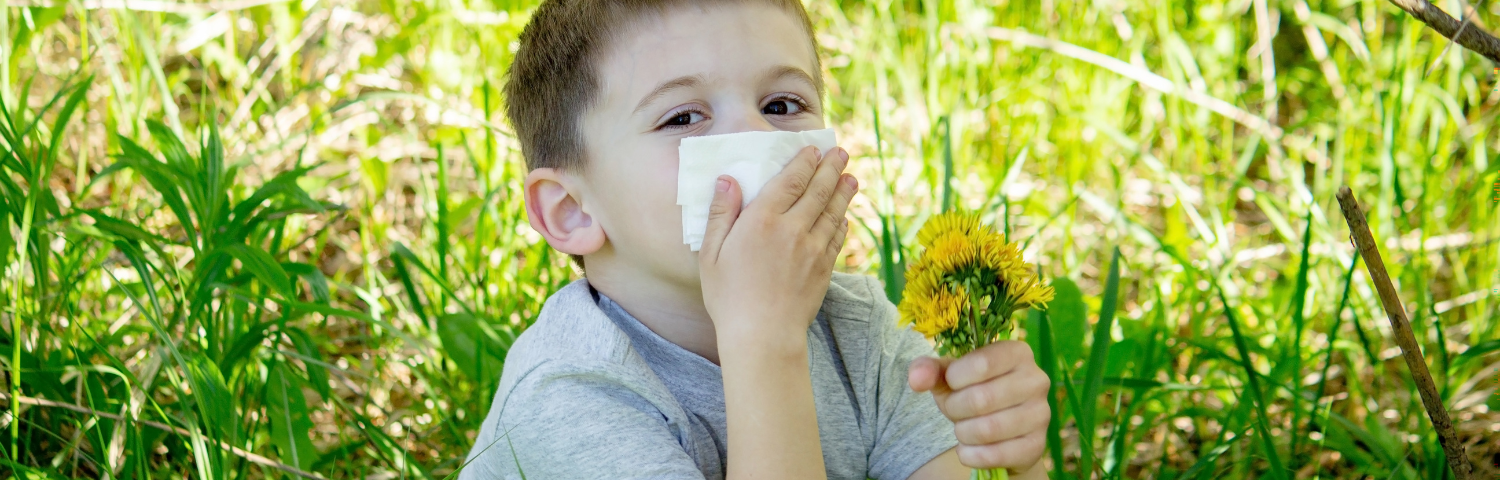
What are allergies?
An allergy is a reaction of our body to substances that are harmful to us, and that for most people are harmless.
Does my child have an allergy?
If our child suffers any of the symptoms we will see below at the same times of year, or when exposed to a certain substance, they may have an allergy. Sometimes children can develop some type of allergy in the future without prior warning.
Symptoms of allergy in children
Some of the symptoms that may make us suspect that our child has some type of allergy are the following:
- Red, watery eyes
- Itching in the throat, nose, skin or any other area.
- Swelling around the
- Difficulty breathing.
- Runny nose.
- Sneezing.
- Difficulty breathing.
- Swelling around the face and throat.
If we witness any of these symptoms in our child, it is important to take them to the paediatrician so that they can carry out a thorough examination. Depending on the results, the doctor will tell us whether our child is allergic and, if so, will give us the guidelines we should follow to treat them.
What are the most common childhood allergies?
Approximately 30% of children have some type of allergy, of which the most common are the following:
Cow’s milk allergy
This is the most common allergy in children and is caused by an allergy to cow’s milk proteins.
Featured products


Atopic dermatitis
It is characterised by a skin rash. Some elements that can cause irritation are pollen, tobacco smoke, perfumes or plants.
How can you help your child with their symptoms?
If your child is allergic to any type of food, it is important that we teach them to recognise it so they can avoid it. It is also important that everyone around them knows about the allergy.
To help your child with airborne allergens, it is important to follow specific control measures for the different aeroallergens:
Animal epithelia
- Keep them away from pets as far as possible and wash animals once or twice a week.
Dust mites
- Ventilate the house properly and keep it at a temperature below 25ºC.
- Avoid soft toys in the bedroom.
- Avoid rugs and carpets.
- Cover mattresses with anti-dust-mite covers.
Pollens
- Use air conditioning with a special filter.
- Keep windows closed during sunny hours and at night.
- Avoid walks in parks and gardens during pollination periods.
- Protect children’s eyes with sunglasses that wrap around as much as possible.
- When travelling by car, keep the windows closed.


