What Minoxidil Is, What It Is Used For and the Risks of Using It

Last updated: 5/2/2024
· Published: 4/4/2024

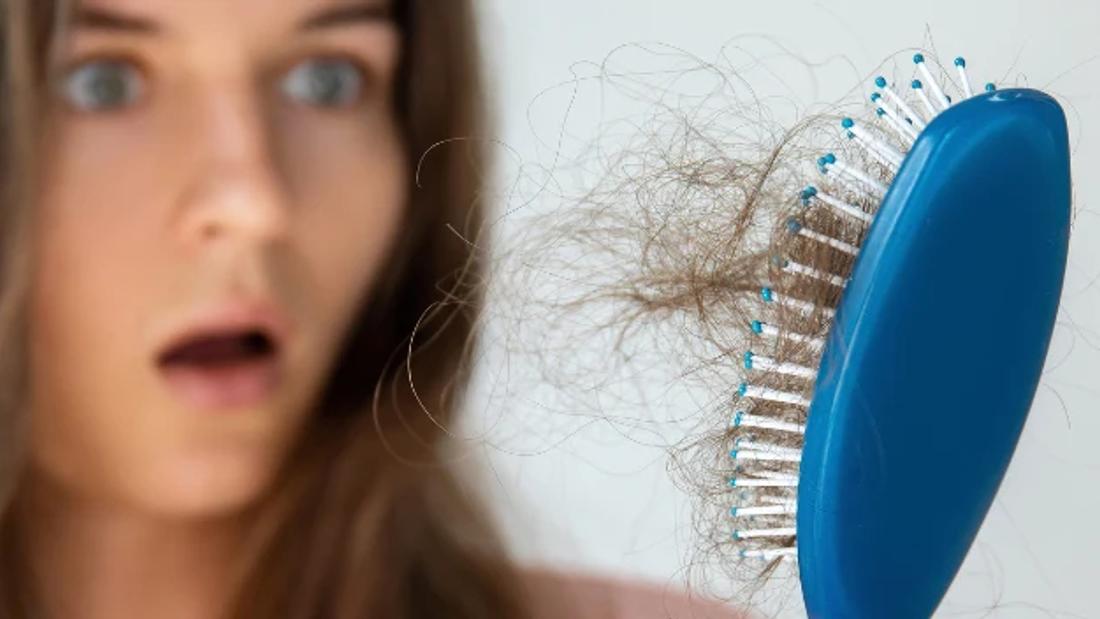
Minoxidil is a medicine known for its effectiveness in treating hair loss in both men and women. It comes as a topical solution or foam, and regular use can help stimulate hair growth in areas where hair loss has occurred.
What is minoxidil?
As mentioned above, minoxidil is a vasodilator that was originally developed to treat high blood pressure. However, during clinical studies, it was observed that one of its side effects was hair growth in certain areas of the body.
Following this discovery, research began into its specific use in the treatment of androgenetic hair loss, which led to the development of formulations intended for this purpose. You can find it in different formats such as lotion or foam, as is the case with Regaine 50 mg/g.
What is minoxidil used for?
Minoxidil is mainly used to treat androgenetic alopecia, also known as male or female pattern baldness. This condition is characterised by the gradual loss of hair in certain areas of the scalp, which can result in thinning hair or even baldness.
Minoxidil works by stimulating hair follicles in the resting phase, which prolongs the hair growth phase and encourages the growth of new hairs.
In addition, it helps increase blood flow to the scalp, which can improve the health of the hair follicles and promote stronger, healthier hair growth.
Possible risks of minoxidil
Although minoxidil is one of the alopecia medicines that is generally safe and well tolerated, it can cause side effects in some people. Some of the possible risks of minoxidil associated with its use include:
Featured products


- Scalp irritation: Some people may experience irritation, itching or redness on the scalp as a result of using minoxidil.
- Initial hair loss: In the early stages of treatment, you may experience increased hair loss. This is known as "telogen effluvium" and is a temporary phenomenon that occurs while the hair follicles adjust to the treatment.
- Unwanted hair growth: In some cases, minoxidil may cause unwanted hair growth in areas where the solution is applied.
- Interactions with other products: Minoxidil may interact with certain hair care products or medicines, so it is important to consult a doctor before starting to use it.
How long does minoxidil take to work?
The time minoxidil takes to work can vary from person to person and also depends on several factors, such as the severity of hair loss and the individual response to treatment.
In general, however, significant results can be expected after approximately 4 to 6 months of continuous use.
During the first few weeks or months of treatment, you may not notice significant hair growth and may even experience increased hair loss. This is completely normal and forms part of the process of the hair follicles adjusting to the treatment.
Over time, many users will notice an increase in hair density and thickness, as well as a reduction in hair loss.
The use of minoxidil medicines for hair loss is highly effective for the treatment of hair loss, especially in cases of androgenetic alopecia. However, we recommend that if you want to start using it, you first consult a doctor about the proper use and dosage.