Alopecia Areata in Women: Causes and Treatment

Published: 10/9/2025
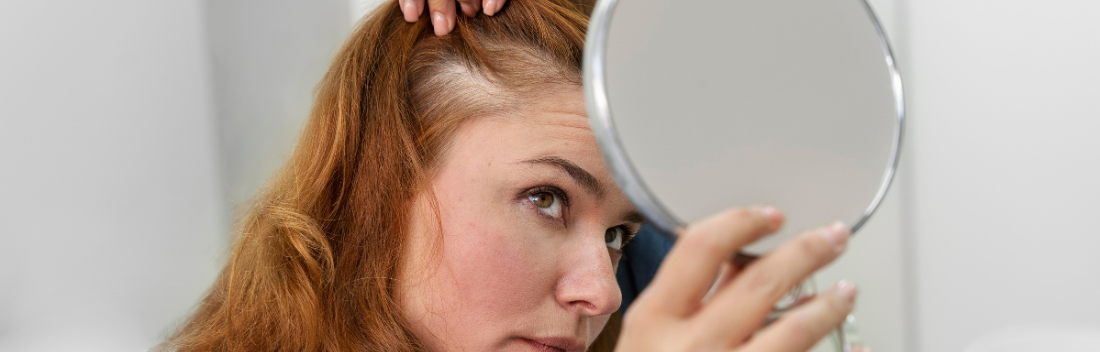
Can a woman experience alopecia? Although alopecia or baldness is traditionally associated with men, women can also suffer from alopecia. All women experience some type of hair loss at some point in their lives, but when it appears in the form of circular patches or clearly defined areas, it may be alopecia areata.
What is alopecia areata?
Alopecia areata is an autoimmune disorder that can occur in both men and women, and it can affect the scalp, eyebrows, eyelashes and other parts of the body.
It is characterised by the appearance of clear or very well-defined areas that develop because the immune system starts attacking the hair follicles, preventing normal hair development and growth.
It does not cause pain, but it can have an emotional impact and affect self-esteem.
Causes of alopecia areata in women
Although the exact cause is unknown, it is believed that the alopecia areata in women may be caused by a combination of genetic, immunological and environmental factors:
- Genetic factors: linked to a family history of alopecia areata or relatives with autoimmune diseases.
- Stress and emotional changes: these can affect the hair life cycle and the follicle mechanism, triggering hair loss.
- Hormonal imbalances: as hormones such as oestrogens, androgens, thyroid hormones, prolactin and cortisol regulate the hair life cycle and can disrupt it, causing alopecia areata in women.
- Nutritional deficiencies: low levels of certain nutrients, such as iron or zinc, can make the hair and follicle more vulnerable and prevent them from developing properly.
Can alopecia areata in women be cured?
Alopecia areata has no cure, but it can be controlled, in mild cases by stimulating hair growth and helping regulate the immune system. It is a chronic and variable condition, and it will appear with different levels of intensity and frequency depending on the individual.
Treatment for alopecia areata in women
Alopecia areata requires medical diagnosis as well as monitoring, follow-up and supervision, which is why it is important to see a dermatologist or trichologist. This autoimmune disorder can be approached in 3 ways that should complement one another:
Topical treatments
These are applied to the surface of the scalp in order to:
- Act on the hair follicle and correct it.
Featured products


- Stabilise the pH.
- Stimulate hair growth and regrowth.
A very commonly used active ingredient in this type of alopecia is minoxidil. Although it is not specifically approved for this condition, its use is widespread and supported by clinical evidence and results, especially in mild to moderate cases. In this way, minoxidil:
- Increases blood flow to the area, which helps improve oxygenation and nourishment of the follicle.
- Prolongs the hair growth phase (anagen phase).
- Supports and stimulates hair regrowth.
In addition, minoxidil helps recover the follicle, which is why it is recommended as an adjunct and booster to other topical treatments such as corticosteroids, which reduce inflammation and inhibit the immune activity of the follicle.
We recommend Regaine, one of the best-known brands on the market, highly tolerable and used for both androgenetic alopecia and alopecia areata. It can be found as Regaine 2% (mainly indicated for women) and Regaine 5% (which women can also use, but under medical supervision).
Regaine should be applied once a day, preferably at night. It should be used on the affected areas and followed consistently, without stopping abruptly, as that could reverse the results achieved. Its effects usually start to become noticeable after 3 to 4 months. Very important, wash your hands after use.
Systemic treatments
The specialist doctor must make a diagnosis and, based on that, prescribe the appropriate treatment. They usually rely on the use of:
- Oral corticosteroids
- Immunosuppressants
Complementary treatments
- Support the diet with specific food supplements that provide the nutrients the hair and follicle need to grow healthy and strong.
- Use a shampoo that does not damage the hair fibre and/or helps strengthen it.
And that is everything you need to know about alopecia areata in women. Remember that at FarmaciasDirect you can buy medicines for alopecia.