What Is Alopecia Areata? Causes, Symptoms and Treatment

Last updated: 7/4/2025
· Published: 6/29/2025
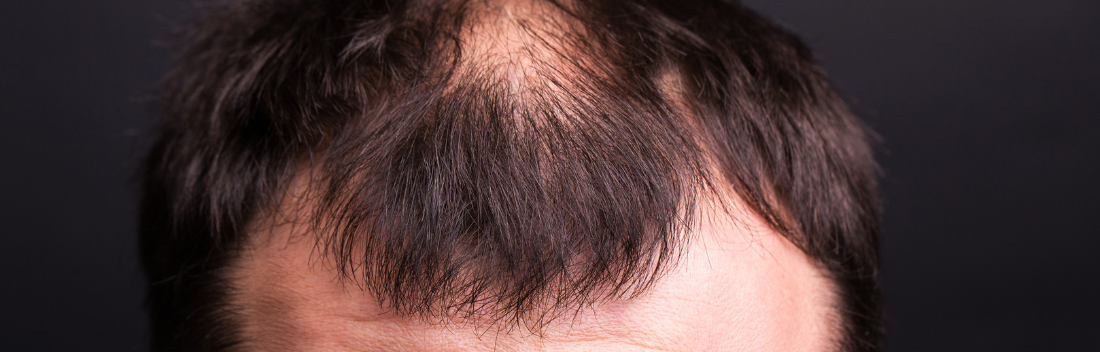
Alopecia areata is a form of hair loss with an autoimmune origin. It causes sudden hair loss in localised areas and in well-defined shapes, such as circular patches on the scalp or in the beard. Let’s look at its causes, symptoms and the best treatment to follow.
What is alopecia areata?
Alopecia areata is an autoimmune condition in which the immune system attacks the hair follicles, causing hair loss in localised areas of the body, generally in the form of small round patches on the scalp. It can also affect the beard.
Unlike other forms of alopecia, with alopecia areata the affected skin may look normal, with no inflammation, redness or flaking. There are different types, it can appear at any stage of life and it is more common in boys and male teenagers.
It is not a contagious condition, but it can affect the emotional wellbeing of those who suffer from it because of the lack of public understanding surrounding it.
Causes of alopecia areata
Why does alopecia areata occur? Although its exact cause is still not fully understood, it is known that the immune system mistakenly attacks the hair follicles, and genetic and environmental factors may influence its onset. These are the most common causes:
- Genetic factors.
- Stress.
- Immune system imbalance.
- Viral infections or certain medicines.
- Hormonal changes.
- Autoimmune diseases such as type 1 diabetes, thyroid disorders, allergies, psoriasis, asthma or vitiligo.
Common symptoms
Symptoms of alopecia areata range from hair loss without other signs to sensations of burning or itching. The most common symptoms are:
Featured products


- Patchy hair loss in round or oval areas.
- Hair around the edges of the patches is usually finer or more brittle.
- In some cases, it may cause a feeling of itching, burning, tingling, irritation or mild sensitivity.
Treatment for alopecia areata
How can you stop alopecia areata? It is important to mention that, if you are suffering from or think you may be suffering from this type of alopecia, you should consult your dermatologist first so they can assess the treatment to follow in your case.
Here is a selection of the most recommended pharmacy products in these cases, both to treat it from within and from the outside. The aim: to provide a solution for alopecia areata by strengthening the hair follicle and slowing hair loss.
Iraltone AGA Plus Supplement
Iraltone AGA PLUS is a food supplement to be taken orally. We recommend these Iraltone capsules with active ingredients such as serenoa repens, zinc, biotin and other antioxidants that support growth and care for the hair and hair follicle by reducing oxidative stress. It is advisable to take these minerals and vitamins for alopecia areata for at least 3 months; ideally for 3 to 6 months.
Iraltone Anti-Hair Loss Lotion
Iraltone loción anticaída: in this case, we would act topically in a more targeted way, as it would be applied directly to the hair follicle. We can apply it to the areas that appear most affected or weakened. It helps stimulate the hair follicle because it is applied locally, as mentioned, and it will prolong the growth phase. Although it does not leave the hair greasy, let alone irritate it, the ideal time to apply it is at night before going to sleep, so that the lotion for alopecia areata can work throughout the night.
Iraltone Anti-Hair Loss Shampoo
Iraltone champú fortificante: This shampoo for alopecia areata would be more complementary than a treatment itself, as it is a rinse-off product. However, we recommend using it alongside anti-hair loss treatments, as it offers more than a regular shampoo in terms of hair strength, density and shine. It is also suitable for sensitive scalps, as it provides very gentle cleansing.
Alopecia areata: how long does hair take to grow back?
The estimated time for hair regrowth is several months, even without specific treatment. With appropriate treatment, improvement may be seen earlier, between 4 and 6 weeks, although more noticeable growth usually occurs around 12 weeks after treatment.
In short, alopecia areata is a scalp condition that should be discussed with a dermatologist for comprehensive treatment. By being consistent and patient, it is possible to improve the symptoms. Remember that if you have any questions, you should consult your dermatologist or our trusted pharmacy team.