Seborrhoeic Dermatitis of the Scalp: Causes, Symptoms and Treatments

Last updated: 1/30/2024
/ Published: 8/8/2023
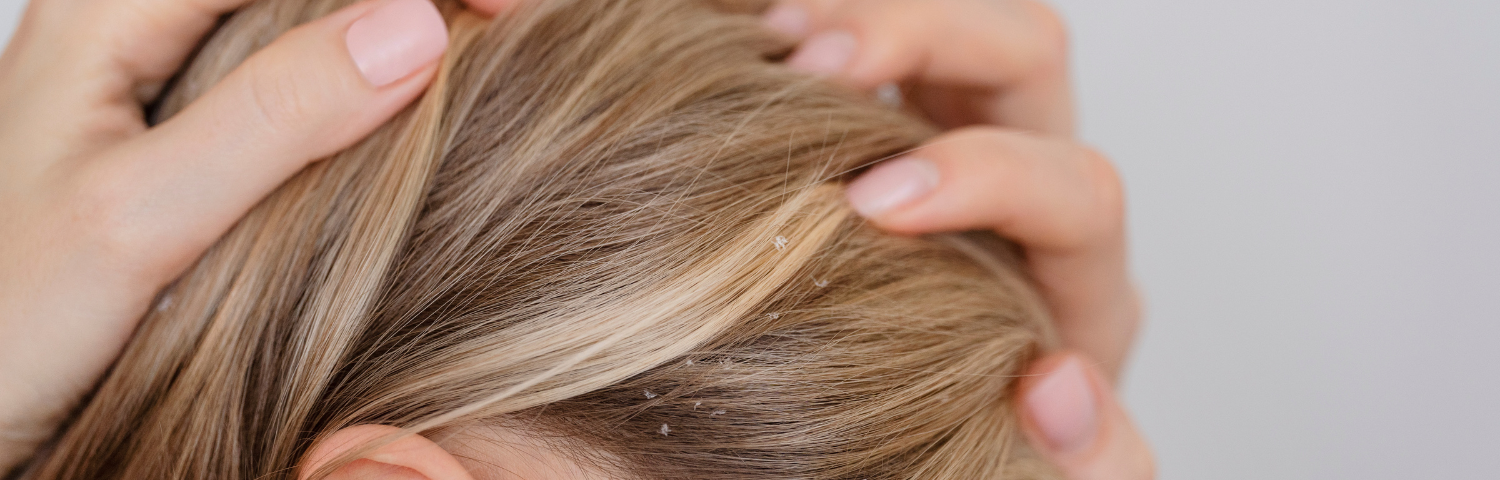
Known as dandruff, seborrhoeic eczema or seborrhoeic psoriasis, seborrhoeic dermatitis of the scalp is a common problem that can affect many people. That is why, at Farmaciasdirect, we have put together this article to explain its causes, main symptoms and the best treatments to help manage it.
What is seborrhoeic dermatitis?
Seborrhoeic dermatitis is a common skin condition that generally affects the scalp, although it can also appear on other areas of skin where there are sebaceous glands, such as the face, ears and chest. It is characterised by inflammation and flaking of the skin, which can cause itching and discomfort. Although it is neither contagious nor serious, it can be persistent and affect the quality of life of those who experience it.
Causes
The exact causes of seborrhoeic dermatitis of the scalp are not fully understood, but it is believed that a combination of factors contributes to its development. The main ones include:
- Yeast overgrowth: A fungus called Malassezia occurs naturally on the skin and, in moderate amounts, does not usually cause problems. However, in people prone to seborrhoeic dermatitis, together with excess oil production, the presence of Malassezia can trigger an excessive inflammatory reaction.
- Genetics: Genetic predisposition also plays an important role in the development of this condition. If you have close relatives with seborrhoeic dermatitis, you are more likely to develop it too.
- Environmental factors: Climate, humidity and stress can trigger or worsen seborrhoeic dermatitis symptoms.
Symptoms
The symptoms of seborrhoeic dermatitis can vary in intensity and may include:
- Itching: One of the most common symptoms, ranging from mild to intense.
- Dandruff: Flaking of the scalp is characteristic of this condition. White or yellowish scales may appear in the hair and on the shoulders.
- Redness: The scalp may be red and tender to the touch.
- Oily skin: You may notice increased oiliness on the scalp due to excessive sebum production.
Featured products


- Crusting: In more severe cases, crusts may form on the scalp.
Can seborrhoeic dermatitis on the scalp be cured?
Although there is no definitive cure for seborrhoeic dermatitis, there are different treatments that can help improve its symptoms. It is essential to consult a specialist to obtain an accurate diagnosis and, if needed, pharmacological treatment in the form of specific shampoos, creams and lotions, such as Ducray DS shampoo, Ducray Elucion shampoo or Vichy Dercos. These products can help remove scaling and reduce irritation and itching. In addition, we recommend:
- Proper hair care: Washing your hair regularly with a gentle shampoo and avoiding harsh, irritating hair products can help reduce symptoms. Specific ranges such as Vichy Dercos or the Ducray brand can help.
- Avoid triggers: Identifying and avoiding factors that worsen symptoms, such as stress or certain foods, can be useful.
- Medical prescription: There are active ingredients found in shampoos for seborrhoeic dermatitis that can help reduce inflammation and the proliferation of Malassezia, as can corticosteroids or antifungals, some of which will need to be prescribed by a doctor.
- Light therapies: In more severe and resistant cases, phototherapy or light therapy may be beneficial. Remember that this should be recommended by a medical professional.
How to moisturise the scalp with seborrhoeic dermatitis
To moisturise the scalp with seborrhoeic dermatitis, you can follow these tips:
- Wash your scalp regularly using gentle shampoos specifically designed for seborrhoeic dermatitis, such as Ducray DS shampoo, Ducray Elucion shampoo or Vichy Dercos. Some of these recommended shampoos contain ingredients such as zinc pyrithione, ketoconazole or salicylic acid.
- Use moisturising creams designed for sensitive skin on the scalp. These creams can help relieve dryness and irritation.
- Avoid scratching or rubbing the scalp excessively, as this can worsen seborrhoeic dermatitis.
- If seborrhoeic dermatitis persists or gets worse, it is advisable to consult a dermatologist for an accurate diagnosis and appropriate treatment.
Remember that each person may respond differently to treatment, so it is important to find the approach that works best for you. Before starting any treatment for seborrhoeic dermatitis of the scalp, you should seek medical advice so that a professional can recommend the most suitable option for your personal situation, as each case is unique. If you have any questions, you can speak to our team of expert pharmacists.