Dry or dehydrated skin: how are they different?

Last updated: 9/24/2025
/ Published: 1/19/2021
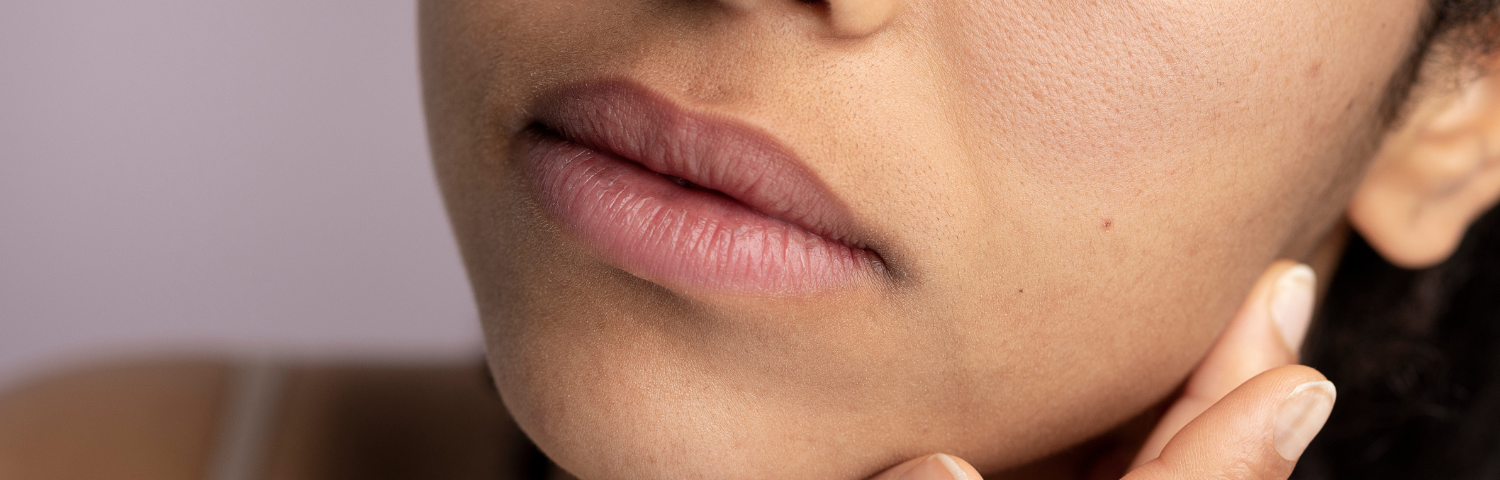
Many people use these two terms interchangeably, but the truth is that dryness and dehydration are not the same, so they do not need the same care.
Although at first glance dry skin may seem synonymous with dehydrated skin, the truth is that there are multiple differences between them. While dehydration is a skin condition that is usually temporary, dryness is a skin type and is usually conditioned by genetic factors.
Dry skin: what are its characteristics?
Dry skin, as it is not properly nourished, is characterised by being thin, dull, lacking radiance, rough and prone to cracking, losing elasticity and even the appearance of eczema.
In addition, it is a chronic skin condition, unlike what we mentioned earlier about dehydrated skin, which is usually temporary. Dry skin, like combination, oily or normal skin, is conditioned by genetic and external factors such as climate and environment, as well as medical treatments or certain diseases, which can increase this dryness.
What routine should dry skin follow? Products based on gentle formulas and moisturising ingredients that provide moisture to the skin and extra hydration. Our recommendation is that you include the La Roche-Posay Lipikar range in your daily facial and body hygiene routine, with treatments for children and adults who have dry or atopic-prone skin. Click here to discover the full line.
Dehydrated skin: what you need to know
Featured products


On the other hand, and unlike dry skin, dehydrated skin is a skin condition that can affect any skin type at a specific time.
How can it be identified? Because the skin feels tight, dull and very itchy, as a result of lack of water in the body and other factors such as sudden changes in temperature, use of overly aggressive cosmetics, stress or sun exposure. All of this causes our skin to become dehydrated.
The key thing in this case is to rehydrate the skin and help it recover its water reserves, using gentle cleansers that purify the face, intense day moisturising creams that provide continuous hydration and regenerating masks at night to encourage cell regeneration and keep the skin hydrated while you sleep.
Our recommendation is the Hydraphase range, also by La Roche-Posay. You have more information about its products in this link.
Dry or dehydrated skin: more differences between them
Yes, there are more differences between dry and dehydrated skin, such as dry skin lacking fatty ingredients, while dehydrated skin lacks water. Dehydrated skin is less resistant and more prone to wrinkles than dry skin, while dry skin usually becomes red and flaky.
We are lowering face mask prices! We want to keep looking after you, which is why we have created a selection on our website with approved fabric, surgical, FFP2 and FFP3 masks, for both little ones and adults, with up to 60% off. For more information, click.