Alternatives to Retinol for Sensitive Skin

Last updated: 5/12/2025
/ Published: 5/12/2025
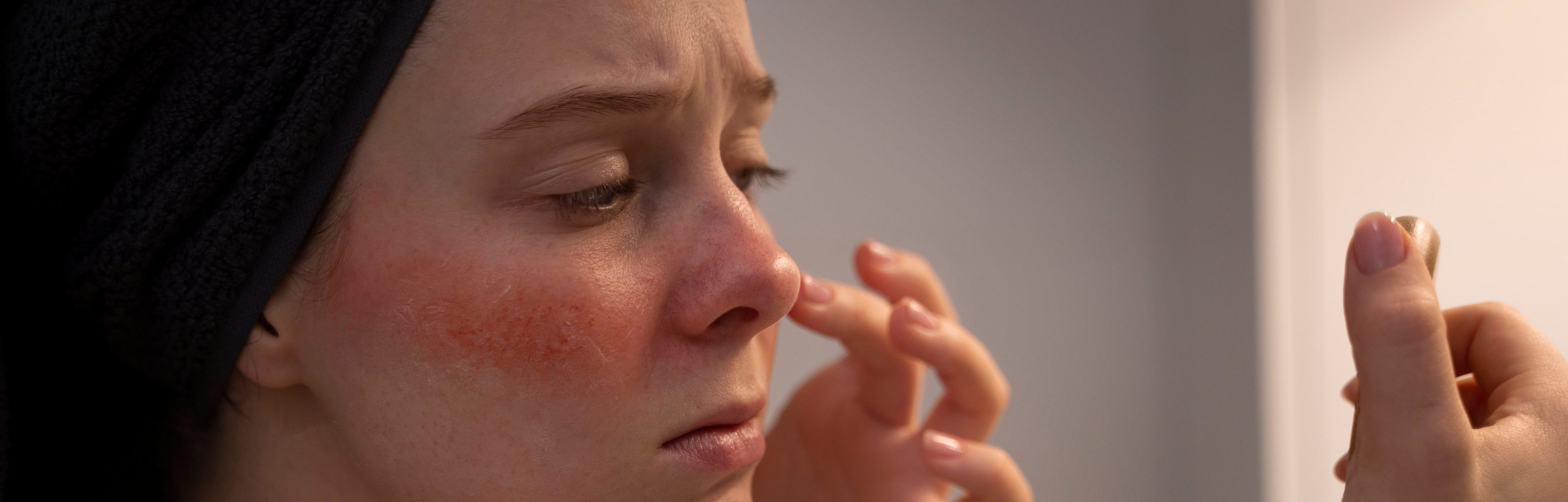
Sensitive skin requires special care. We often do not know exactly how to look after it or which active ingredients to use to improve the appearance and health of our skin. When it comes to anti-ageing skincare, it can be very tempting to jump on the retinol bandwagon, although the truth is that it is not an option for most of these skin types. That is why today at Farmaciasdirect, we are bringing you alternatives to retinol for sensitive skin.
Retinol on sensitive skin
Retinol is the ultimate anti-ageing active ingredient thanks to its many benefits:
- It stimulates collagen and elastin production, giving the skin firmness and elasticity.
- It treats and helps prevent wrinkles.
- It has depigmenting properties.
- It stimulates cell renewal and improves skin texture, making it ideal for achieving smoother, softer skin.
- It combats blemishes and marks and improves the appearance of scars.
- It boosts radiance.
However, it may be an ingredient that is not suitable for all skin types.
Can I use retinol if I have sensitive skin?
The answer depends greatly on your skin type, your level of sensitivity or reactivity, how well you stick to your skincare routine, how your skin evolves, how consistent you are, and whether or not your skin is currently flaring up.
Retinol is an ingredient that, even on non-sensitive skin, can cause irritation, dryness, redness or flaking if it is not used properly, following the guidance of professionals in dermopharmacy or dermatology. That is why extra care is needed.
Fortunately, if you do not want to take the risk, there are alternatives to retinol in other active ingredients that provide very similar benefits, without having to worry about our skin and its integrity.
The best alternatives to retinol for sensitive skin
At Farmaciasdirect, we suggest three key active ingredients as substitutes for retinol in sensitive skin routines: bakuchiol, hyaluronic acid and retinal.
Bakuchiol
Bakuchiol, popularly known as vegan retinol, is a naturally derived active ingredient that provides benefits very similar to retinol, but with far better tolerability and without the risk of causing its side effects. This makes it a star ingredient for sensitive skin. Depending on the active ingredients paired with it in the formula, it will enhance one effect or another. These are our favourites formulated with Bakuchiol for sensitive skin:
- Avène Dermabsolu Intensiva Noche: It is a superb anti-ageing product that will help our skin look smoother, firmer and plumper, thanks to Bakuchiol. Our skin will look more radiant, with a more even tone and fewer wrinkles. It achieves this by stimulating the synthesis of collagen, elastin and natural hyaluronic acid. It also contains niacinamide in the formula, an active ingredient that helps improve skin tone and texture, hydrates and balances the skin barrier, while also providing anti-ageing benefits. That is why Avène Dermabsolu Intensiva Noche is brilliant in anti-ageing routines for sensitive and non-sensitive skin alike. It can be applied at night, after cleansing.
- Neoretin Pigment Neutralizer Sérum: Alongside Bakuchiol, it includes other active ingredients such as tranexamic acid. It is a serum with strong depigmenting power, which can be used by sensitive skin concerned about dark spots and even by pregnant or breastfeeding women. It can be applied in the morning and at night, after cleansing.
Featured products


- Avène Vitamin Cg Sérum: In this case, bakuchiol is paired with vitamin C, making it a perfect antioxidant combination to complete any anti-ageing or depigmenting routine. It absorbs beautifully and leaves the skin with a glow that looks youthful. To get the most out of it, apply it in the morning, after cleansing.
Hyaluronic acid
Hyaluronic acid is a widely recognised and highly valued molecule because it can fill with water and plump up, hydrating the skin and filling wrinkles. It also gives the skin a healthy radiance.
However, for hyaluronic acid to complete its action and become even more similar to the benefits achieved by retinol, it needs support in the formula. In this case, we recommend:
- Eucerin Antipigment Dual Sérum: Hyaluronic acid is paired with tocopherol and thiamidol. Both active ingredients balance the skin barrier and hydrate the skin. In addition, Thiamidol is an antioxidant that helps protect the skin, boost radiance and treat dark spots at every level. That is why Eucerin Antipigment Dual Sérum should not be missing from any depigmenting routine and is ideal for sensitive and non-sensitive skin. It can be used by day and by night, after cleansing.
Retinal
Retinol is also known as vitamin A and comes in different forms. The aim of retinol, retinal or its derivatives is to be converted into retinoic acid in order to deliver its true action. How we get there will depend on the vitamin A ingredient we use, the form it comes in, its concentration and which other active ingredients accompany it in the formula.
Retinal offers better tolerability than retinol and greater efficacy. So for sensitive skin that is already used to this ingredient, is consistent, and is not currently flaring up, it is ideal for achieving good anti-ageing benefits. That said, we must pay attention to the active ingredients that accompany it in the formula.
- Avène Hyluron Active B3 Crema Multintensiva Noche: its formula includes retinal, pure hyaluronic acid and niacinamide, taking an anti-ageing routine up a level. It is recommended for night-time use, after cleansing.
Sensitive skin and its characteristics
Sensitive skin is characterised by symptoms such as redness, a burning or itching sensation, a tendency to flake, or reactivity to certain active ingredients, among others.
Basic care for sensitive skin
Sensitive skin requires basic care to help maintain the stability of our skin's hydrolipidic film. In this way, the skin barrier will remain in optimal condition and we will be able to tackle the signs and symptoms typical of sensitive skin:
- Gentle cleansing: it is recommended to use products that cleanse, soothe and hydrate the skin. Active ingredients such as ceramides, hyaluronic acid or centella asiatica are excellent for this skin type. It is important to use lukewarm water during cleansing and to pat the skin dry.
- Less is more: the fewer ingredients they contain, the better. What matters is that they include key active ingredients that work and keep the skin barrier in perfect condition. Including soothing and repairing active ingredients in the routine is essential.
- Hydration: in sensitive skincare, hydration is a step that should never be missing from the routine.
- Avoid harsh exfoliation: it is better to choose enzymatic exfoliants, which remove dead skin cells and keep pores in good condition without disrupting the skin.
- Use hydrating and soothing masks: weekly or whenever needed.
- Do not forget sunscreen: it is essential to help prevent inflammation in the skin, as well as protecting it against many other types of damage.
As you have seen, there is no need to completely give up retinol for sensitive skin; instead, we can turn to active ingredients or synergies that offer very similar benefits and help us achieve healthy-looking skin.