Home / Blog / Baby and Mum / Pregnancy and ovulation: How to calculate your fertile days
Pregnancy and ovulation: How to calculate your fertile days

Last updated: 2/10/2026
· Published: 3/5/2025
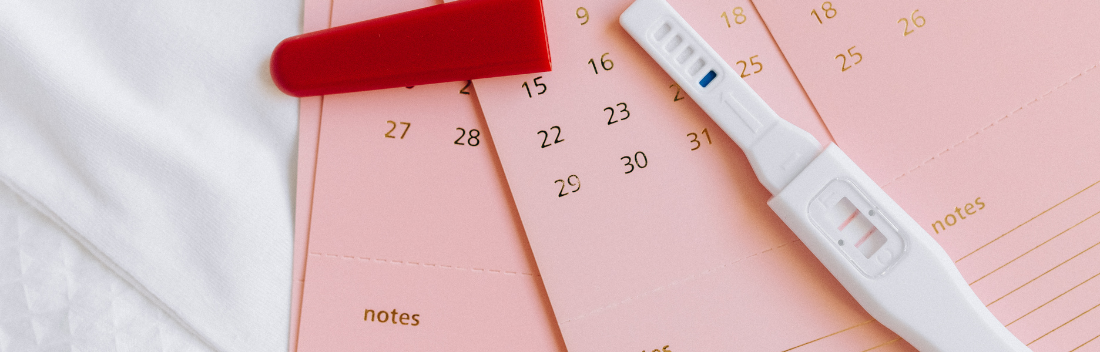
Pregnancy is a wonderful stage in many women’s lives, but for some, conceiving can be a challenge. Understanding the ovulation cycle and fertile days can significantly increase the chances of getting pregnant. In today’s post, we explain how to calculate these peak fertility days. Keep reading!
How does the menstrual cycle work?
The menstrual cycle generally lasts between 21 and 35 days, although the average is 28 days, and it is divided into the following phases:
- Menstrual phase: The cycle begins on the first day of menstruation, which can last between 3 and 7 days.
- Follicular phase: During this phase, the ovaries begin to develop follicles containing eggs in response to follicle-stimulating hormone (FSH).
- Ovulation: Around the middle of the cycle, ovulation occurs. A rise in luteinising hormone (LH) triggers the release of the mature egg.
- Luteal phase: After ovulation, the corpus luteum produces progesterone to prepare the uterus for a possible pregnancy. If the egg is not fertilised, the cycle begins again.
How to calculate your fertile days?
The most fertile days are the days close to ovulation. In a regular 28-day cycle, ovulation occurs around day 14. However, every woman is different and ovulation can vary.
To calculate your fertile days, you can follow these methods:
1. Calendar method
If your cycle is regular, you can estimate your fertile days by subtracting 14 days from the total length of your cycle. For example:
- 28-day cycle: ovulation around day 14.
- 30-day cycle: ovulation around day 16.
The most fertile days include the day of ovulation and the 4-5 days before it, as sperm can survive for up to 5 days in a woman’s body.
In this other post, we explain the steps to calculate your most fertile days.
Featured products


2. Basal temperature
Did you know that basal body temperature rises slightly after ovulation? Yes, exactly. This is due to the increase in progesterone, so measuring your temperature every morning before getting up can help detect this change.
We can do this with the Tempdrop digital fertility thermometer Tempdrop, as it automatically records and analyses temperature patterns, eliminating human error (it uses advanced sensors) and providing accurate data through a mobile app where this information is also analysed to identify the fertile days in the cycle.
3. Observing cervical mucus
During fertile days, cervical mucus becomes clearer, stretchier and more similar to egg white, making it easier for sperm to move. Noticing this change in your discharge is another sign to bear in mind if you are trying to get pregnant.
4. Ovulation tests
Ovulation tests measure LH levels in urine and can accurately predict fertile days.
The Clearblue ovulation tests are highly recommended because they detect the LH surge and some models even identify oestrogen, making it possible to know a wider range of fertile days. They are also very accurate and easy to use.
Benefits of ovulation tests and digital thermometers
Using the tools mentioned above, such as Clearblue ovulation tests and the Tempdrop digital thermometer, will help us detect the days of highest fertility, because:
- They offer greater accuracy in detecting ovulation.
- They make cycle tracking easier, without the need for complex calculations.
- They are useful for women with irregular cycles.
- They provide objective data to plan pregnancy effectively.
And do not forget the importance of supplementation in pregnancy planning. At Farmaciasdirect, we recommend using Femibion 0, formulated with folic acid plus and other active ingredients to support you at this stage.