Which cholesterol is the good one?

Last updated: 2/8/2024
/ Published: 10/5/2020
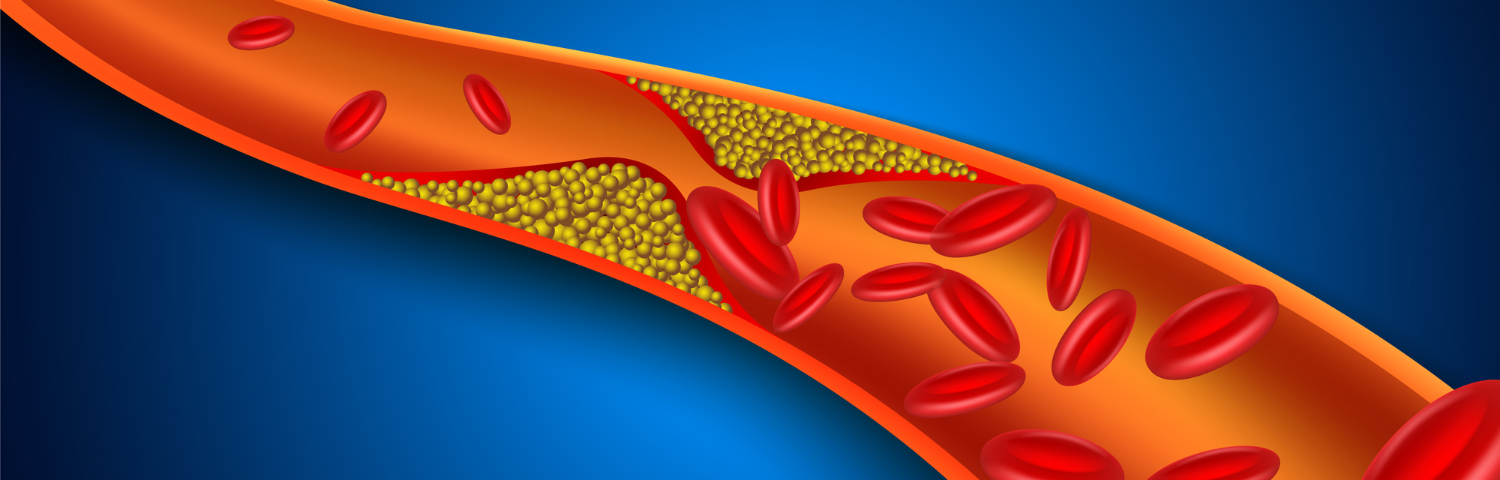
You have surely all heard of high cholesterol or low cholesterol and that there is good cholesterol and bad cholesterol, so to speak. But... which cholesterol is the good one? And most importantly, how do we combat the bad one? We explain it in today's post.Cholesterol is a fat-like substance produced by the liver and found in every cell in the body. It is also present in foods such as meat and dairy products. And here comes the first question: if my body produces and needs cholesterol, but too much in the blood increases the risk of arterial disease, how do I control it? Keep reading and we will explain.
What do HDL and LDL mean?
In a brief and simple way, HDL stands for high-density lipoprotein. This is what we mean when we talk about 'good cholesterol', because it carries cholesterol from other parts of the body to the liver, where it is then removed. By contrast, LDL stands for low-density lipoprotein, also known as 'bad cholesterol', because it can build up a high level of cholesterol in the arteries.
How can I know my cholesterol level?
And here is the answer to your first question. To find out, all you need is a blood test. But when should you have it? Does age matter? Is once a year enough? For under-19s, the first test is recommended between the ages of 9 and 11, except where there is a family history of HDL problems, stroke or heart attack; in that case, it is recommended from the age of 2. As for when the test should be repeated, every 5 years. People over 19 should also review it 5 years after the last test. In men aged 45 to 65 and women aged 55 to 65, every one or two years at most.
What can I do to have good cholesterol?
In this respect, alongside genetics and family history, it is very important to follow a healthy lifestyle. Not only to have a good HDL level, but also to prevent other diseases. So here is our recommendation:
Featured products


- Healthy diet: rich in good fats and low in bad fats. In other words, limit butter, lard, whole milk, cheese, sausages, bacon or processed foods and replace them with avocado, olive oil, nuts, oats and similar foods.
- Exercise: regular exercise can raise good cholesterol and reduce bad cholesterol. If you find exercise difficult, try to do it at least 3 or 4 times a week for 30 minutes.
- Do not smoke: tobacco, including exposure as a 'passive smoker', can reduce HDL levels. What should you do? Consult a specialist so you can gradually stop smoking.
- Do not drink alcohol: another recommendation is to reduce alcohol consumption. Why? Alcohol can make you gain weight and, consequently, lower your good cholesterol level.
- Maintain a healthy weight: following on from not drinking alcohol, weight is also important. As mentioned, obesity is often behind bad cholesterol, which is why it is important to follow a balanced diet that helps with weight loss, especially around the waist.
Now that you know what you should do to increase HDL and reduce LDL cholesterol, what routine are you going to follow?