Home / Blog / Nutrition and Dietetics / How to Tell Whether It Is Fluid Retention or Fat
How to Tell Whether It Is Fluid Retention or Fat

Published: 8/19/2025
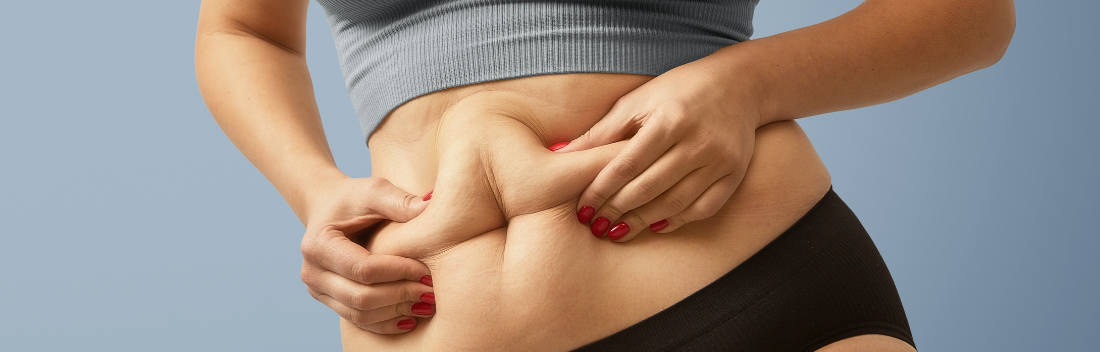
Have you ever felt more bloated or heavier than usual? Are you unsure whether it is due to fluid retention or body fat? This is a very common question because both can alter your weight and cause similar symptoms. If you are wondering how to tell whether it is fluid retention or fat, Farmaciasdirect is here to help you tell the difference and improve your health and wellbeing.
Why do I retain fluids?
Fluid retention appears when there is a buildup of fluid in the tissues, and the circulatory and lymphatic systems are unable to function properly and drain it away.
Fluid retention presents with symptoms such as bloating, sudden weight gain without a significant change in diet, a feeling of heaviness or stiffness, and marks left on the skin when you press it.
We usually notice fluid retention especially in the ankles, legs, abdomen or face.
Among the causes of fluid retention are:
- A diet high in salt.
- Hormonal changes.
- A sedentary lifestyle.
- Static postures: spending too long sitting or standing.
- Taking certain medicines or living with certain medical conditions.
Why do I retain body fat?
Fat is an energy-storing tissue that the body retains when we consume more calories than we need.
Fat does not build up from one day to the next; it is a slower process linked to lifestyle and the type of diet we usually follow.
Stored fat is usually located around the abdomen, hips, thighs and arms. Rather than feeling bloated, we tend to feel bulkier. This stored fat is not lost easily.
Fluid retention vs body fat retention
Looking at the following factors will help us tell the difference between fluid retention and body fat retention:
- Symptoms: bloating and sudden weight gain in the case of fluid retention. Increased volume and gradual weight gain in the case of fat retention.
- Causes: hormonal changes and a sedentary lifestyle can contribute to both. If we add excessive salt intake, static postures or the side effects of certain medicines or conditions, fluid retention is more likely. However, if unhealthy lifestyle habits are present and we eat more calories than we need, we will store fat.
- Elimination: fluid is easier to get rid of, whereas fat is not so easy to lose.
How to get rid of fluid and fat
Featured products


Losing excess fluid
At Farmaciasdirect we recommend the following guidelines to help reduce excess fluid:
- Drink 1-2 litres of water a day.
- Limit salt intake in meals.
- Exercise regularly.
- Avoid alcohol.
- Drink infusions with diuretic ingredients such as horsetail or green tea.
- Increase your intake of diuretic foods such as tomatoes, cucumber, watermelon, celery, artichoke and pineapple.
- Support your diet with a food supplement that helps deal with and eliminate retained fluid.
If you are looking to eliminate excess fluid throughout the body, we recommend Aboca Lynfase Concentrado Fluido. Its natural formula, rich in buckwheat, butcher's broom, dandelion, goldenrod and orthosiphon extracts, helps to drain excess fluid while improving circulation. Take 1 vial a day, preferably in the morning.
If your legs feel tired, swollen, crampy or uncomfortable, at Farmaciasdirect we recommend Pranarom Piernas Ligeras Cápsulas. They help reduce and relieve these symptoms thanks to a formula rich in rosemary and juniper essential oils. Take 1 capsule before breakfast and 1 capsule before dinner for 14 consecutive days, then stop for 5 days.
Losing fat
Losing stored fat is more complicated, so consistency is key. We recommend following 5 key steps to reduce stored fat:
- Eat mindfully, intelligently and in a balanced way: split your food into small portions across five meals a day (breakfast, mid-morning, lunch, afternoon snack and dinner). Make vegetables the stars of your meals, always in a greater quantity than the other foods on your plate. Between meals, choose fruit.
- Exercise regularly: include cardio, strength and toning exercises.
- Get the sleep you need: this helps keep hunger and fullness hormones in balance.
- Manage stress and your emotions.
- Support your microbiota with probiotics.
We can also support our diet with Aboca Adiprox Advanced capsules to help manage weight and fat metabolism, thanks to the green tea and yerba mate in the formula. It also contains milk thistle extract, which supports liver function. The recommendation is to take 3 capsules a day in the morning after breakfast with a large glass of water.
Remember that, if the retention is excessive or you notice other symptoms, you should see your doctor. Likewise, if you need help following a diet that supports lower fluid retention, speak to a specialist.