Everything you need to know about Baby Led Weaning

Last updated: 2/9/2024
· Published: 1/8/2021
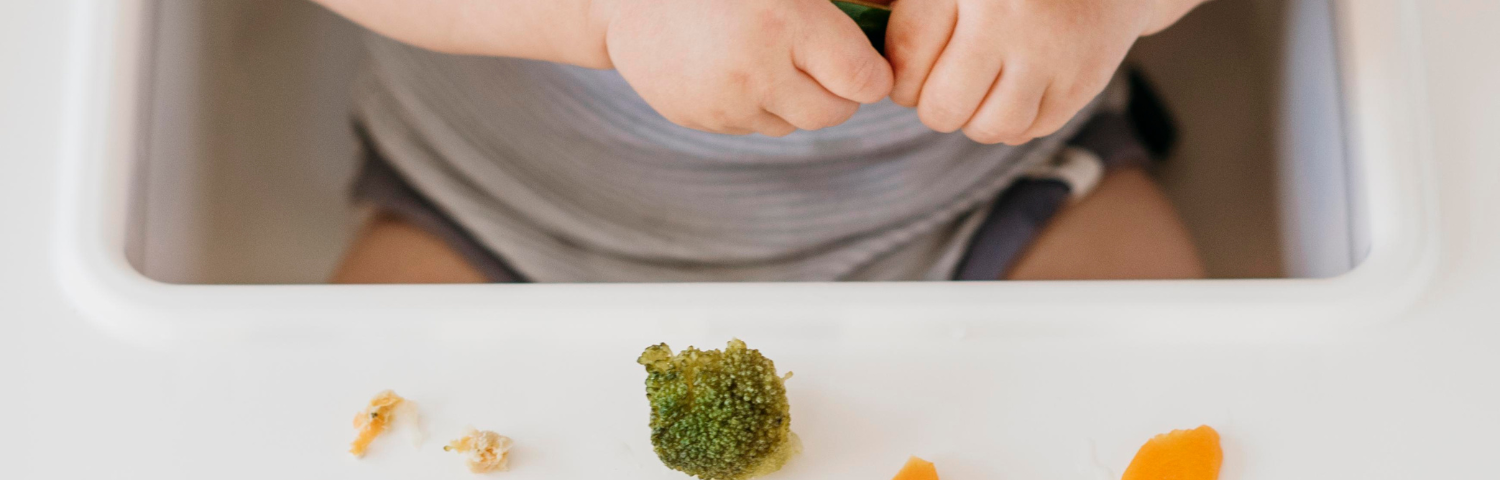
It helps with their autonomy, contributes to the development of their motor skills, establishes healthy habits... Yes, these are some of the benefits of baby-led self-feeding. We tell you this and much more about Baby Led Weaning in this post. Keep reading!
This complementary feeding method seems to be here to stay. More and more parents are encouraged to use this technique, in which the baby is the one who brings food to their mouth (with their hands, no spoons), choosing the foods themselves.
Baby Led Weaning: most frequently asked questions
First of all, we need to know when our little one is ready to start complementary feeding; right? Normally it is at six months of age, although our recommendation will always be to consult your paediatrician.
From that moment on, the nutrients provided to the baby by breast or bottle milk are no longer sufficient for growth. That is when complementary feeding and Baby Led Weaning come into play.
And now, the million-dollar question: what if they choke? The fact that our baby eats whole foods (boiled vegetables or meat/fish) by themselves does not mean that we disengage and let them do whatever they want during lunch or dinner. We will need to pay attention to what they put in their mouth and make sure they chew properly.
To do this, we should avoid certain foods that are difficult to digest, chew or crush with the tongue and palate for such young children, such as raw vegetables (carrots), nuts, fruits (cherries, grapes, apples), sausages, hard foods such as sweets...
Benefits
Featured products


There are many benefits of this complementary feeding method, such as saving parents time or establishing healthy habits. And also:
- Autonomy: by eating on their own, we will help them gain greater autonomy and develop their eye-hand-mouth coordination.
- The extrusion reflex disappears: this usually occurs at around six months. It is the reflex that appears when we try to put solid food, or even a dummy, into our baby’s mouth and they quickly push it out for fear of choking.
- It stimulates their senses: as they are the one bringing food to their mouth with their hands, Baby Led Weaning allows them to discover different textures, smells and flavours.
- Muscle development: this method forces the baby to chew, bite and move food with their tongue... As a result, we will get the facial muscles to exercise.
- It satisfies their appetite: we give them autonomy so they can decide when they are full and when they are hungry.
And you... have you already tried this method with your baby? Do you need help with it? Write to us and we will advise you on complementary feeding techniques.
We are lowering mask prices! We want to keep looking after you, which is why we have created a selection on our website of approved fabric, surgical, FFP2 and FFP3 masks, for both little ones and adults, with up to 60% off. For more info, click.