DANA: Possible associated infections and how to prevent them

Published: 11/11/2024
Cleaning work is still ongoing in the areas affected by the DANA. It is vitally important that this cleaning is carried out properly to prevent infections and contagion, but do you know how to do it?
Leptospirosis
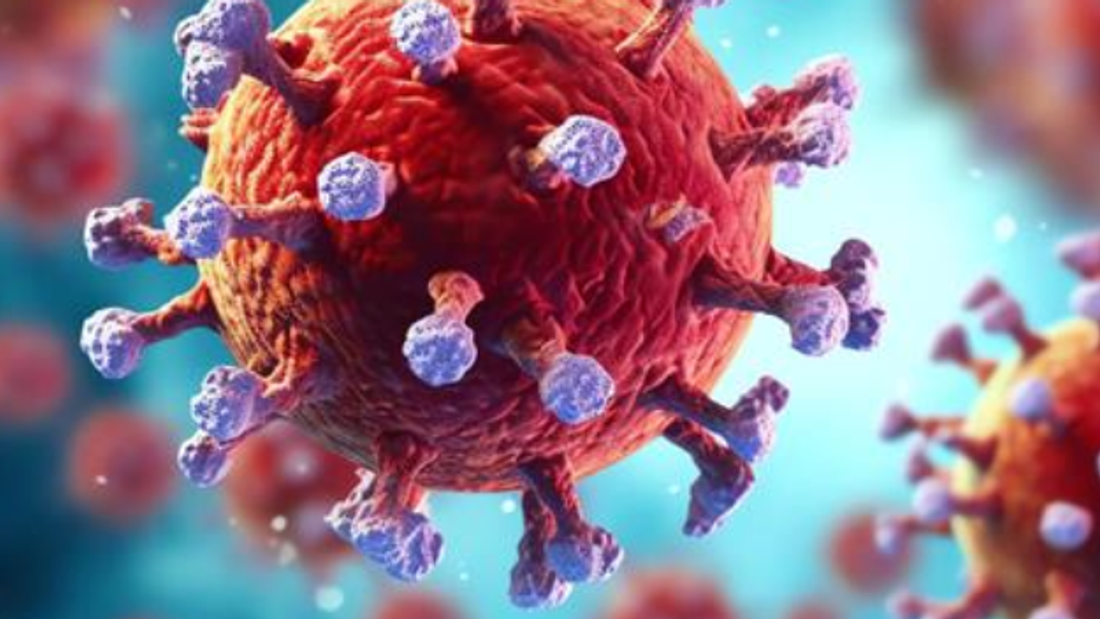
The word "leptospirosis" has been gaining attention in recent days and has been linked to the DANA, but do you really know what it is and what the risk is?
What is Leptospirosis?
It is a disease caused by a bacterium called Leptospira interrogans. It usually appears after floods or torrential rain. Its incubation period is 5-14 days.
How is Leptospirosis transmitted?
Humans can become infected in 3 different ways:
- Through direct contact with urine or bodily fluids from infected animals.
- Through contact with water contaminated by urine and wet soil.
- By consuming food or water contaminated by urine from infected animals.
Person-to-person transmission rarely occurs.
Symptoms of Leptospirosis
Some of its most common symptoms are similar to flu-like symptoms: fever, chills, red eyes or headache. However, these symptoms can become more serious and present symptoms associated with other illnesses.
Preventing illnesses after the DANA
Methods for preventing leptospirosis and other illnesses that arise after floods or torrential rain include:
- Do not consume food or water that may be contaminated.
- Do not handle animal carcasses. Notify the authorities so that trained personnel can collect them.
- Cover wounds with waterproof dressings.
- Keep debris and rubbish away from homes and stagnant water.
- Avoid direct contact with contaminated water or areas, so it is essential to use suitable protective equipment.
Protective equipment
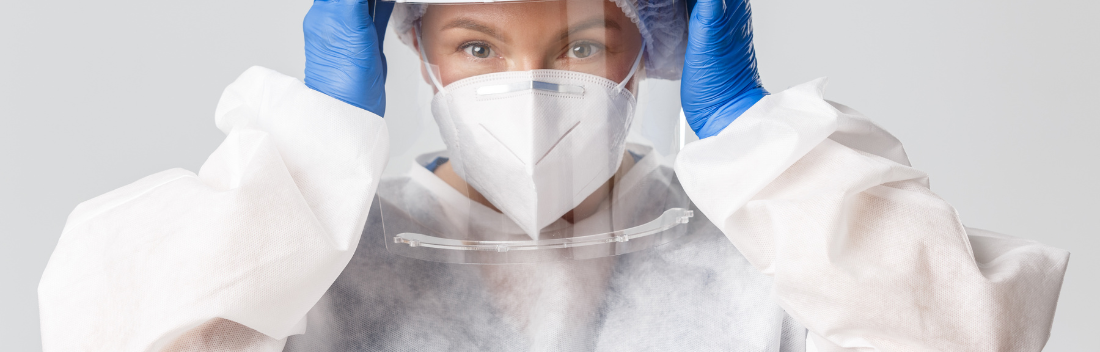
The greatest risk lies in diseases transmitted through the skin, so it is important to use the right protective equipment during cleaning work so that it can be carried out safely, thereby protecting people’s health and wellbeing. What materials are needed for protection?
Durable gloves
Essential for carrying out cleaning work. It is recommended to use nitrile gloves, as they are more durable than latex gloves.
We must take special care when removing them. Avoid contact with the outside of the gloves. Remember, while wearing gloves, do not touch your mobile phone or other objects so as not to contaminate them.
FFP2 masks
There is still no official recommendation, but it is preferable to use FFP2 masks, as they not only prevent us from infecting others, they also help prevent us from becoming infected, offering greater protection than surgical masks.
We should keep track of how many hours we have been wearing the mask and change it whenever it gets dirty.
Waterproof boots
They are essential as a protective measure; they not only protect against external contact, but also against possible injuries, wounds or slips.
Eye protection
This helps prevent pathogens from entering and protects against splashes from chemicals or contaminated liquids, thereby reducing the risk of infections and injuries.
Clothing that covers your body
We will protect our body from the outside environment by using suitable clothing, thereby avoiding contact with water, mud, pathogens and hazardous substances.
Ideally, these should be disposable suits made from materials that are resistant to water and chemical substances.
We recommend using masking tape to seal sleeves, preventing any possible entry of liquid, substances or pathogens.
Take care with wounds
During cleaning work, situations may arise in which our skin can be damaged by friction, a fall or injury from a sharp object. It is important to clean and treat it properly to avoid complications and infections. To do this:
- Clean the wound with saline solution or drinking water.
- Apply an antiseptic product to protect against infection and help the wound heal.
- See a doctor if the wound is oozing, changes colour, smells bad, looks unhealthy or continues bleeding.
Minimising risks
Cleaning work is necessary, but we must protect ourselves in order to protect others. It should be borne in mind that the most vulnerable people and children should not take part in cleaning work.
By avoiding the consumption of contaminated food and water, and by protecting our body and mucous membranes, we can minimise the risks that may endanger our health.