Home / Blog / Health and care / What happens if you mix alcohol and antibiotics? What not to do
What happens if you mix alcohol and antibiotics? What not to do

Published: 3/6/2026
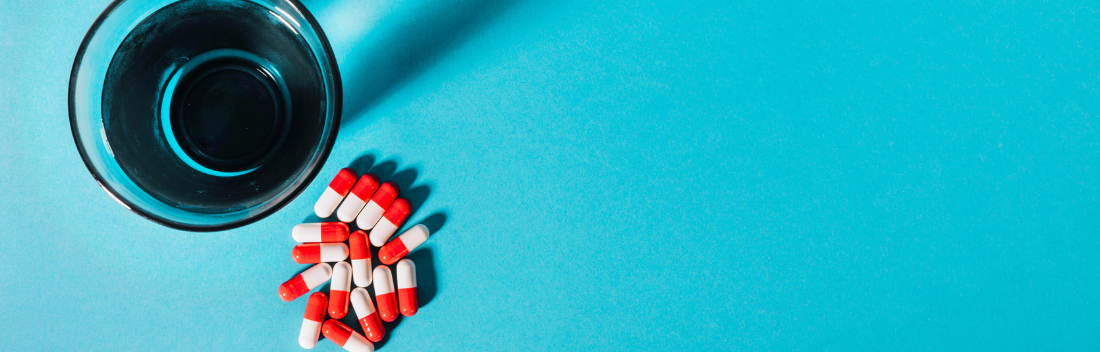
"Is it okay if I have a little alcohol while taking antibiotics?" This is one of the most common questions we hear at the pharmacy counter. The answer is simple: it depends on the antibiotic, but almost always, it's a bad idea... In this blog post, we explain what happens in your body when alcohol and antibiotics meet.
Antibiotics with Alcohol
What happens to antibiotics and alcohol when they enter our body?
Antibiotics
We must clearly understand that antibiotics are medications designed to treat bacterial infections, aiming to prevent the growth of microbial populations and eliminate the bacteria causing damage.
To achieve this, the antibiotic must reach a specific concentration in the blood for a certain period. This is known as the therapeutic concentration:
- The antibiotic reaches the bloodstream.
- Maintains a stable concentration.
- Reaches its target (the site where it must act).
- Remains there long enough.
Alcohol
Alcohol is a substance that is metabolized in the liver. When alcohol enters our body, it causes:
- Depression of the central nervous system.
- Gastric irritation.
- Mild immunosuppression.
What happens if I take antibiotics and drink alcohol?
The real problem lies in where the antibiotic is metabolized or whether it affects the digestive system. That is when they interfere with each other, potentially leading to the following consequences from combining antibiotics and alcohol:
- Disulfiram-like reaction. Some antibiotics block the enzyme (protein) that breaks down alcohol, preventing its elimination and causing it to accumulate in the blood, which can lead to acute intoxication (manifested by intense facial flushing, palpitations, nausea, headache, hypotension...). Do not consume even a drop of alcohol with metronidazole, tinidazole, doxycycline, linezolid, etc.
- The antibiotic works less effectively because alcohol affects its absorption and distribution, preventing the therapeutic concentration from being reached. This delays infection recovery, increases the risk of relapse, and may even lead to bacterial resistance.
- Hepatic overload, since if the antibiotic is metabolized in the liver, both alcohol and the medication compete for the same enzymes. Transaminase levels rise, and symptoms such as fatigue, nausea, or treatment intolerance may appear.
- Alcohol can also intensify adverse effects (nausea, dizziness, etc.).
How long should you wait between antibiotics and alcohol?
An antibiotic goes through 4 phases from the moment it enters the body until it exerts its effect, and alcohol affects all of them:
- The antibiotic is absorbed and enters the bloodstream; alcohol alters this absorption.
- The antibiotic is distributed and reaches the infected tissue; alcohol affects perfusion.
- The antibiotic is processed in the liver; alcohol is also metabolized in the liver, thus competing with the antibiotic.
- The antibiotic is eliminated.
Therefore, if there is alcohol, the antibiotic does not work properly:
- Some bacteria survive.
- Some bacteria learn to resist.
- Next time, the treatment may not work.
Even after finishing the course of antibiotics, we must remember they continue to exert their effect for 24–72 hours, so we should wait exactly that amount of time, 24–72 hours.