Home / Blog / Health and care / How to treat chilblains
How to treat chilblains

Last updated: 2/2/2024
· Published: 10/16/2023
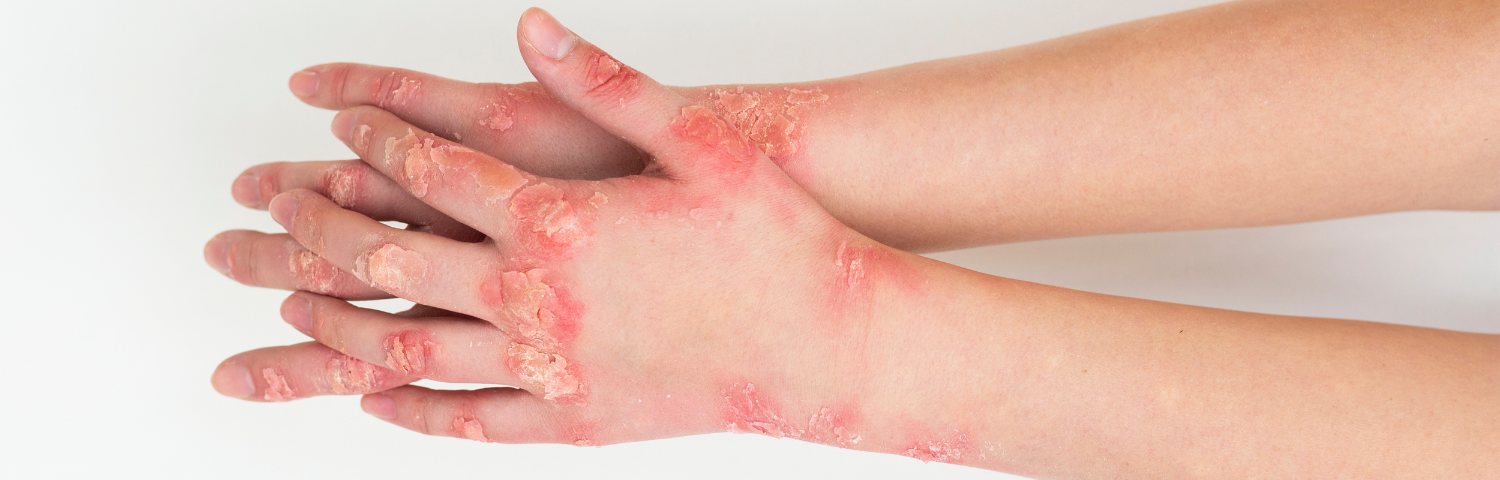
One of the skin conditions that appears in winter, especially on the feet and hands, is chilblains. They can go away on their own, but it is possible to speed up the process. Here we explain how to treat chilblains with pharmacy products and home remedies.
What are chilblains?
Chilblains are skin lesions that change the skin, making it harder and causing redness. There is visible inflammation beneath the skin, and pain and burning are two of their most characteristic symptoms.
Damp and cold are among the main causes behind their appearance and, although they do not cause a serious health problem, they can become ulcerated. For this reason, they should be treated properly and prevented from becoming infected and getting worse.
Other names for this type of lesion are perniosis or chilblain erythema. They usually occur in people aged between 15 and 30, and the areas most commonly affected are the ears, nose, hands and feet. The reason these parts of the body are affected is that blood circulation is poorer there.
The population group that suffers most from them is women, due to low blood pressure and numerous hormonal changes. However, older people and children are also prone to getting them.
Symptoms of chilblains
It is a skin lesion, and the main symptom is the pain felt in the affected area (generally the hands and feet). It occurs due to inflammation of the blood vessels exposed to sudden changes in temperature.
In other words, if we are exposed to cold and shortly afterwards move into extreme heat, we will be encouraging this type of lesion.
On the other hand, there are also a number of other symptoms that characterise chilblains:
- Reddish-blue colouring of the affected area.
- Swelling.
- Itching.
- Burning.
If this condition is experienced for a long period of time, blisters and ulcers may develop in the chilblain area. In these situations, it is advisable to pay attention to prevent them from becoming infected and leading to a more serious problem.
That is why, when you have this kind of skin lesion, you need to know how to treat chilblains. They usually last between three and seven days if there are no complications. Otherwise, they may remain for up to three weeks.
Why chilblains occur
It is believed that a sudden change in temperature causes chilblains. In other cases, the cause may be prolonged exposure of certain parts of the body to intense cold. However, not everyone has the same level of sensitivity in these situations, nor will they all develop these lesions.
The causes that can make someone more sensitive are:
- Poor blood circulation.
- Low blood pressure.
- Hormonal changes, such as those that occur in young women.
- Body weight below the appropriate level.
- Autoimmune diseases, such as rheumatoid arthritis, arthritis, lupus erythematosus...
- Raynaud's disease. This condition affects the blood vessels in the feet and hands, narrowing them. As a result, poor circulation and a reduced blood supply occur in these areas.
Featured products


- Continued consumption of alcohol and tobacco, because these substances affect blood flow.
- Exposure to low temperatures without suitable footwear.
- A sedentary lifestyle. In people with poor circulation, this increases the likelihood of developing chilblains.
How to treat chilblains
To know how to treat chilblains on the feet, the first thing to do is see a professional. A podiatrist or GP will be able to help and recommend the appropriate treatment.
Usually, the advice given is aimed at protecting the affected area. To do this, they will recommend keeping the hands and feet dry and warm. A good idea is to use suitable socks and gloves. However, this does not address the underlying problem.
How do you treat chilblains on the hands and feet? To treat this problem properly, you need pharmacological treatment with three aims:
- Increase blood pressure.
- Improve blood circulation.
- Promote dilation of the blood vessels.
On the other hand, we can also use a range of gels and ointments to relieve itching, pain and burning. One of the best pharmacy creams for tackling chilblains is crema de Mahiou. It does not prevent chilblains from appearing, but it does speed up their disappearance.
It should be applied daily with a prolonged massage to help it penetrate and stimulate circulation. In addition, its effect can be enhanced by wrapping the area with a warm garment or a bandage after applying it.
How to treat chilblains with home remedies
As well as treating chilblains on the hands and feet with the recommended cream, other remedies can also be used.
- Include flavonoids and citrus fruits in the daily diet. This helps strengthen the capillary vessels and makes it easier to overcome the problem.
- Add vitamin E to the diet. It has strong antioxidant properties and supports blood circulation.
- Avoid scratching the sores so that they do not worsen or become infected.
- Keep the affected areas warm, but away from stoves, radiators or other heat sources.
- Warm skin damaged by chilblains without massaging or rubbing it.
Can chilblains be prevented?
Prevention is always the best possible treatment. In this case, avoiding stimulants, tobacco and alcoholic drinks is very helpful, as they impair blood circulation.
For the feet, suitable footwear and thick socks should be worn, without being tight or restricting circulation. It is also advisable to stay active and keep moving, avoiding a sedentary lifestyle at all costs.
Alternating hot and cold foot baths are useful, as is drinking ginger and cinnamon infusions.
Now that we know how to treat chilblains and, above all, how to prevent them, there is no excuse not to face winter differently.