Causes of hair loss and the effect of cystine

Last updated: 2/2/2024
· Published: 10/17/2023
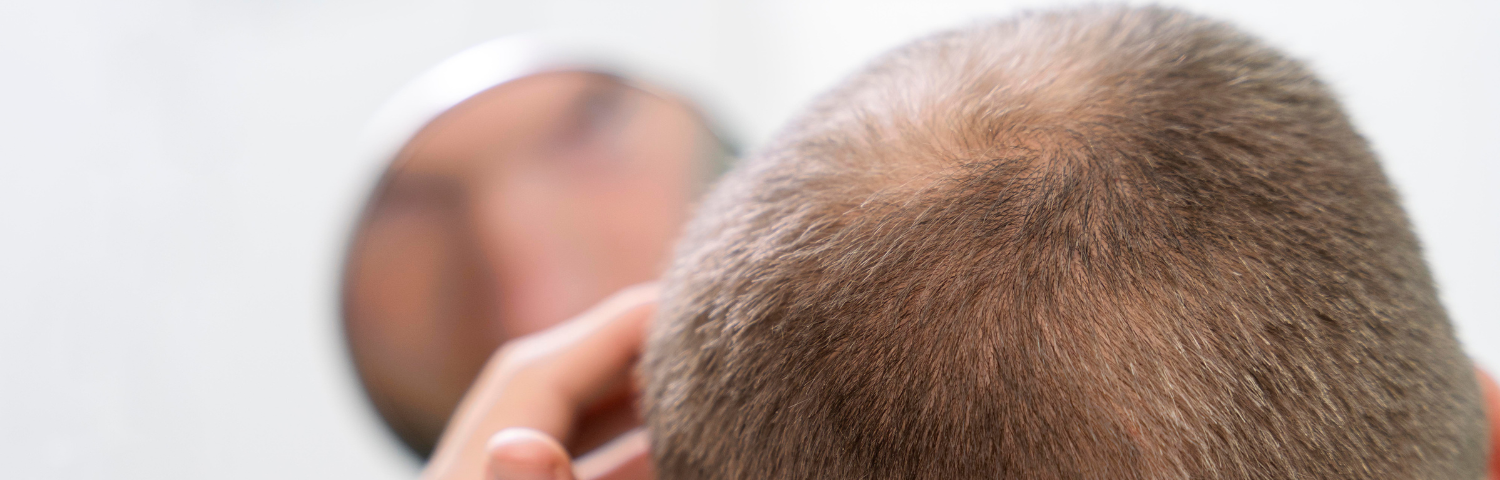
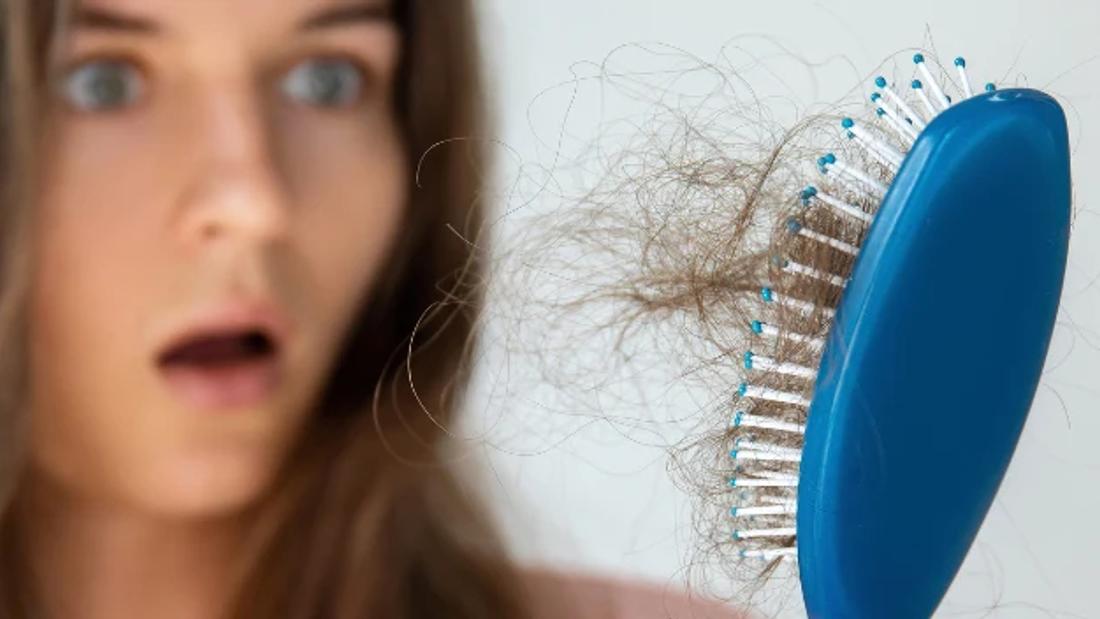
At the end of September and the beginning of October, we welcome autumn. And during this season, it is common to notice more hairs on our pillows in the morning than we would like. That is why, in this article, we want to talk about the causes of hair loss and the solutions.
Causes of hair loss
First of all, we should point out that hair falls out naturally as part of its own life cycle.Hair has a birth phase, a growth phase and another known as the resting phase.
However, if you notice heavy hair loss, you will probably need to see a professional.
In this way, we can determine whether it is normal shedding or whether we need to identify the causes of that hair loss and find a remedy to tackle it.
Types of hair loss
- Seasonal. Naturally, we lose around 100 hairs a day without this causing any problem. In addition, hair follows its own life cycle and many hairs eventually fall out.
- Androgenetic alopecia. Baldness is usually caused by hormonal or hereditary factors. Here, hair loss occurs quickly and heavily. It begins with a receding hairline and thinning on the top of the head. It mainly affects men, but also women, and becomes more noticeable between the ages of 30 and 40. Preventive methods can help slow its progression.
- Diffuse alopecia. Hair becomes fine and weak, which means it is lost very quickly. Among the causes of hair loss in this case are thyroid-related conditions or deficiencies in nutrients such as iron or zinc.
- Scarring alopecia. In areas where there are wounds, scars or burns, hair falls out and does not grow back. This type of alopecia can also be caused by other illnesses and infections.
- Taking medication. Some medicines, such as anticoagulants, can trigger a loss of hair density. This usually happens for the duration of the treatment.
- Telogen effluvium. This is a disruption in the hair’s life cycle, which is not completed and, as a result, the hair sheds prematurely. It can fall from any area, but especially from the back and sides. The trigger may be stress and, once 6 to 12 months have passed after overcoming that factor, it may grow back. However, there are other factors that can cause it: endocrine system diseases, hormonal changes, medicines, anaemia, lack of vitamins…
How to slow down hair loss in autumn
Beyond the treatments a specialist may recommend, you can also follow these tips to reduce or slow down hair loss. You will also enjoy strong, healthy hair.
Avoid stress
Regular exercise helps reduce anxiety and stress. It also encourages blood flow, meaning the scalp will be better supplied.
Do not overuse straighteners and hairdryers
Rubbing your hair roughly with a towel can damage the hair fibre. It is better to use gentle movements.Even better if the towel is cotton.
On the other hand, the heat given off by hairdryers and straighteners can damage the scalp and weaken the hair. Our recommendation is to use a heat protectant before using these appliances.
Scalp massage
Featured products


It increases blood flow in this area, which will strengthen the hair roots.
Balanced diet
A deficiency in certain minerals and vitamins can cause some types of alopecia. Which nutrients can we add to our routine in the form of a food supplement?
- Vitamin A. It produces the sebum that moisturises the scalp. A deficiency in this vitamin slows hair growth. Hair also looks drier. It is advisable to eat carrots, eggs, spinach or broccoli.
- Iron. It is responsible for haemoglobin and is essential for keeping the hair root oxygenated. It is found in spinach, liver and pulses.
- Omega 3. Perfect for increasing hair density and slowing hair loss. Seafood, oily fish and olive oil are rich in it.
- Zinc. It supports nutrient absorption and stimulates hair growth. It is provided by red meat, hazelnuts, clams and cheese.
- Biotin. A deficiency in this vitamin makes hair fragile and weak. That is why eating eggs, bananas or milk will help prevent hair loss.
- Cystine. It is an amino acid that forms part of the hair fibre. We can add it through a food supplement or through the diet (cheese, broccoli, green beans...).
What is cystine and why should we take it
Before knowing what it does for hair, we should understand what cystine is. This amino acid is a precursor of substances with antioxidant functions, helps maintain good glutathione levels during exercise and supports a strong immune system.
It is also used to protect the cardiovascular system and is necessary for the formation of keratin, an essential substance for strong nails and hair. And that is the function that interests us here.
So, what is cystine for? As we said, it is essential for strengthening hair and supporting its growth. An adequate concentration promotes a healthier hair fibre and healthy growth.
It also helps us deal with periods of hair loss. As well as consuming it in the diet, we can also take it as a food supplement. At Farmaciasdirect, we have two very effective options available:
1. Cystine 250 milligrams and 40 tablets
Thistreatment is ideal for people with a cystine deficiency, which shows itself through hair loss and brittle nails. One of the causes of this deficiency may be an unbalanced or restrictive diet.
2. Ioox Fortrix Cistina Cápsulas. 60 cápsulas
Thisfood supplement is formulated with essential trace elements, zinc, L-cystine and a cocktail of B vitamins. It is perfect for supporting hair and nail growth, and it is advisable to take it for 90 consecutive days to enhance its effect.
In short, there are several solutions to tackle the different causes of hair loss, and cystine may be one of them.