Keratosis Pilaris: Causes and Creams for Treatment

Last updated: 1/28/2025
· Published: 2/22/2024
In conclusion, although it is mainly a cosmetic concern, it can be managed effectively with proper care and dermatological advice. Understanding its symptoms and addressing the underlying causes is essential to provide solutions that promote healthy, comfortable skin. If you have concerns about your patient’s skin, do not hesitate to seek guidance from a dermatologist for a personalised and effective approach.
Its formula contains actives such as salicylic acid and urea to exfoliate and remove dead skin cells, preventing them from clogging pores, as well as ceramides to keep the barrier function smooth and repaired.
CeraVe Crema Alisadora Antirrugosidades
This cleanser helps keep pores clean, soothe and smooth damaged skin. In addition, its MVE technology combined with urea, LHA and salicylic acid provides a soothing effect and daily hydration throughout the day.
CeraVe Limpiador Antirrugosidades
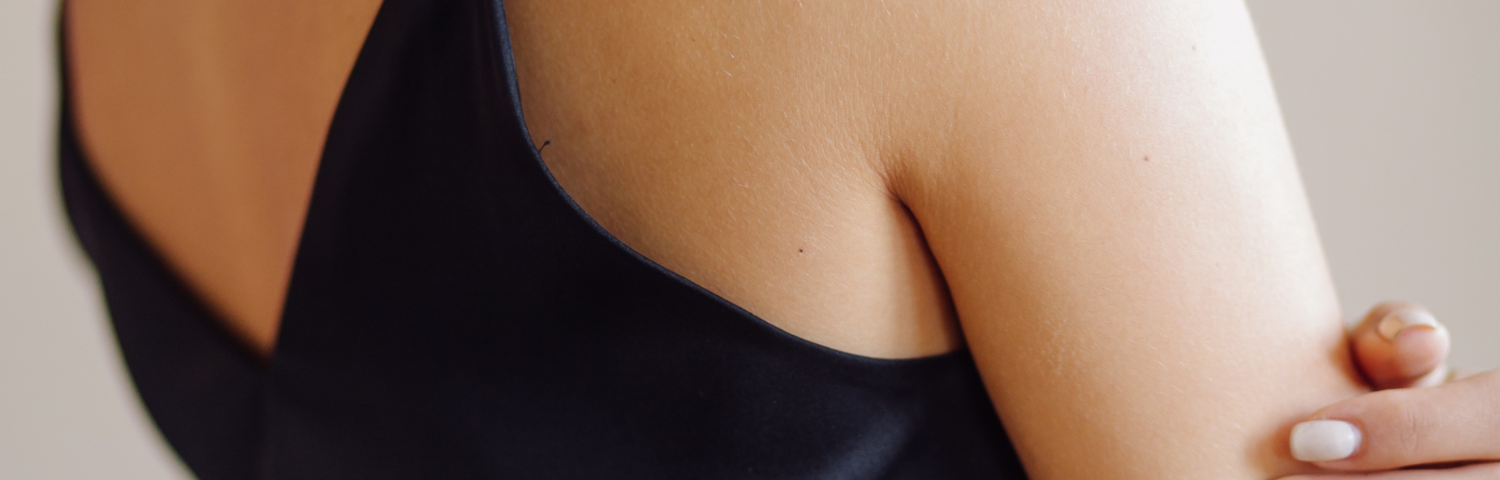
Keratosis pilaris typically appears as rough papules on areas such as the arms, thighs, buttocks and cheeks. These bumps, often compared to gooseflesh, may be white, red or skin-coloured. Although it does not usually cause discomfort, its appearance can be a cosmetic concern.
What is keratosis pilaris?
Keratosis pilaris is a harmless skin condition that causes dry, rough patches and tiny bumps, commonly on the upper arms, thighs, cheeks or buttocks. It is caused by a build-up of keratin, a hard protein that blocks hair follicles, forming hard plugs. This condition has no cure, but it can be treated with moisturising creams and, in some cases, medicated creams prescribed by a dermatologist.
Featured products


Causes of keratosis pilaris
This issue arises when hair follicles become blocked with keratin, an essential protein in the skin. Although the exact cause is not fully understood, genetic factors play a significant role, as it is often seen in families. Dry skin and lack of moisture also contribute to the development of this condition.
Treatment: can it be cured?
Although there is no definitive cure for keratosis pilaris, various treatment options can significantly improve the appearance of the skin. Regular application of creams containing lactic acid, glycolic acid or urea can help smooth the bumps and promote softer, smoother skin.
In more persistent cases, advanced dermatological treatments are an option. Chemical peels and laser treatments can be effective in improving skin texture. However, consultation with a dermatologist is essential to assess the severity of the condition and determine the most suitable approach.
Recommended creams for keratosis pilaris
As we mentioned earlier, the ideal approach is to use products with exfoliating and smoothing actives.