Best anti-cellulite treatment

Last updated: 2/6/2024
· Published: 9/26/2022
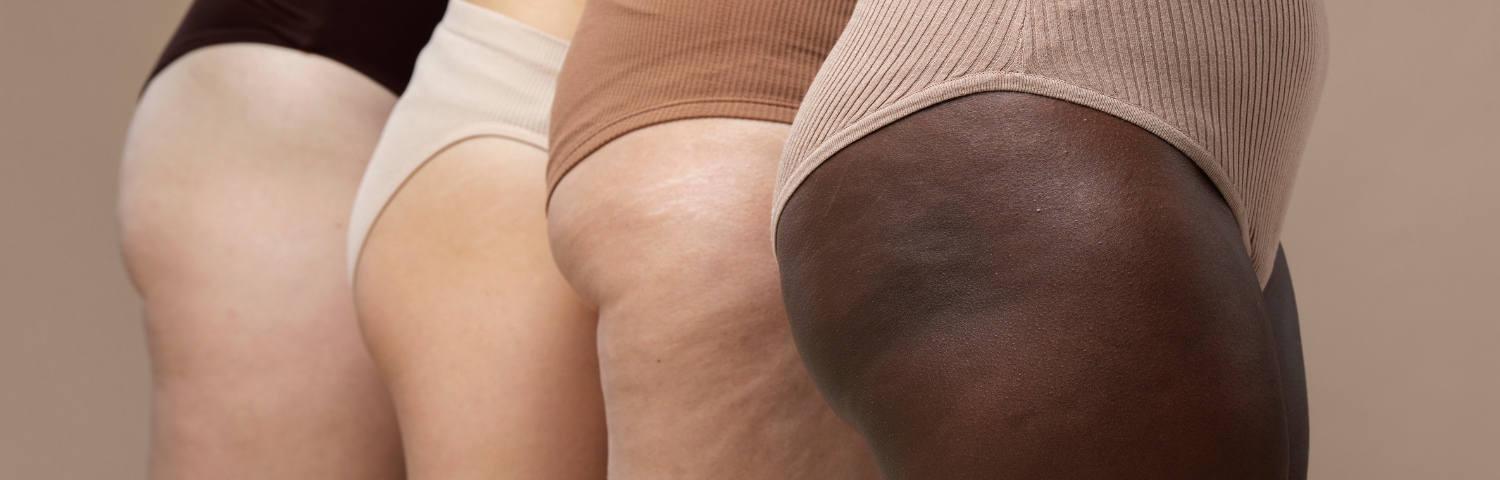
Want to know which is the best anti-cellulite treatment on the market? Cellulite makes our skin look wrinkled and lumpy, which is why it is sometimes called “orange peel skin”.
This condition is not dangerous for the skin, nor does it cause discomfort for those affected, but it does have certain aesthetic implications that can affect the way we face the world.
Below, we want to explain everything you need to know about cellulite and introduce you to the best anti-cellulite treatment, so you can start applying it to your skin.
What is cellulite?
Cellulite is a very common skin condition that causes bumps and dimples in the dermis of certain areas of the body.
The areas most commonly affected by cellulite are the thighs, hips, buttocks and abdomen, and the people who experience it most often are women.
Some of the options that can help you prevent and reduce cellulite are weight loss, exercise, anti-cellulite creams and massages. We can distinguish between three types of cellulite, depending on how this condition presents in the patient:
- Hard cellulite: It is usually common among young women and is often one of the first visible signs of cellulite. The skin is tight and grainy and feels firmly attached to the muscle.
- Soft cellulite: It is common in women of all ages, especially those who are overweight or have fat build-up in certain areas. The skin feels soft to the touch, mainly in areas where there is an accumulation of fat.
- Oedematous cellulite: It is the least common and the most difficult to treat. It is caused by poor circulation and worsened by fluid retention.
The best anti-cellulite treatments
Cellulite is a skin condition that is difficult to tackle once it appears. That is why it is advisable to start taking action when you notice the first signs of orange peel skin, as a preventive measure.
This will help stop cellulite from getting worse and allow you to enjoy smooth, firm skin for longer. Anti-cellulite treatments are not miracle creams, but they can help you achieve visible results.
These products should be used alongside a gentle anti-cellulite massage, which helps to stimulate circulation in the area you are treating. If you are looking for the best anti-cellulite treatment, these are good options for you:
- Elifexir Dermo Minucell. It is a body emulsion with a slimming and firming action that helps to reduce orange peel skin in just 14 days of treatment.
- Elancyl Slim Design aceite anticelulitico. It features an exclusive dual-action oil formula for complete care that helps to reduce stretch marks and cellulite.
- Thiomucase Anticelulítico Reductor de Grasa. This is a creamy enzymatic solution that helps to reduce localised fat while minimising the appearance of cellulite. Without a doubt, it is a very complete 2-in-1 treatment.
Featured products


Symptoms of cellulite
The first symptoms of cellulite appear as small dimples or lumps in areas where more fat tends to accumulate. The texture is usually similar to orange peel.
Mild cellulite will not be visible at first glance, but it can be detected depending on how your body moves or if you pinch the affected area. More severe cellulite is the kind that is visible without needing to do anything.
The skin looks wrinkled and shows the dimples and bumps we mentioned earlier.
Although the most common areas where cellulite appears are the thighs and buttocks, it can also appear on other parts of the body, such as the breasts, lower abdomen and upper arms.
When to see a doctor
Cellulite is not a dangerous condition, so treatment is not necessary and people can live with it perfectly well.
What is more, you should know that it is a very common and widespread skin condition that most people experience sooner or later. If you are concerned about or bothered by the appearance of your skin, you can start using anti-cellulite products and consult your doctor.
Causes of cellulite
The exact causes of cellulite are still not fully understood. The most widely accepted theory is that cellulite directly affects the connective bands that keep the skin attached to the muscle.
As fat builds up in these areas, it pushes the skin outwards, while the fibrous cords continue pulling downwards. This is what causes the appearance of “dips” in the skin. In addition, there is also a hormonal and genetic factor that plays a very important role in the appearance of cellulite.
Other factors, such as weight and muscle tone, affect whether you have cellulite, although even people in good shape can have it. You now know which is the best anti-cellulite treatment and that, when it comes to managing this condition, prevention is better than cure.
In our Farmaciasdirect online pharmacy, you will find all the products you need to enjoy hydrated, radiant and firm skin for much longer. References consulted:
- Ortiz-Lazo, E., Arriagada-Egnen, C., Poehls, C., & Concha-Rogazy, M. (2019). Actualización en el abordaje y manejo de celulitis. Actas Dermo-Sifiliográficas, 110(2), 124-130.
- Fonseca, E. (2008). La celulitis como enfermedad dermatológica. Epidemiología y bases etiopatogénicas. Piel, 23(6), 275-276.
- Muñoz, G. La realidad de la celulitis.