Home / Blog / Baby and Mum / Diet During Breastfeeding: What to Eat and What to Avoid
Diet During Breastfeeding: What to Eat and What to Avoid

Published: 3/13/2026
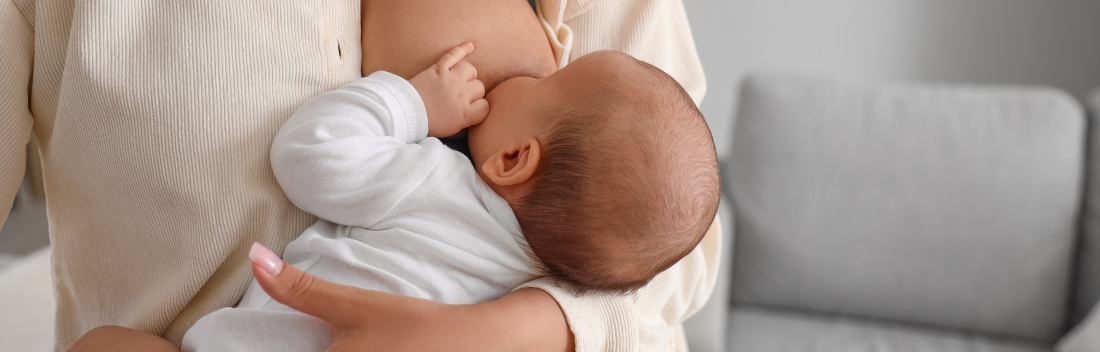
Breastfeeding is a unique stage in the life of both mother and baby. During this period, diet plays a fundamental role, as it influences both the quality of breast milk and the woman's wellbeing. That is why it is common to wonder which foods to avoidwhile breastfeeding and which are the most advisable. In this article, we explain everything you need to know about food and breastfeeding, including what to prioritise and what to limit. Keep reading!
The importance of food during breastfeeding
During breastfeeding, the body needs an additional supply of energy, vitamins and minerals. It is not about “eating for two”, but about maintaining a balanced and varied diet that includes the vitamins and minerals the body needs.
A good nutritional foundation helps to meet the baby's needs and supports the mother's recovery after childbirth. For this reason, choosing the foods the mother eats while breastfeeding correctly is key at this stage.
Good foods for breastfeeding
Among the good foods for breastfeeding, those rich in protein, healthy fats, and vitamins and minerals stand out, such as:
- Oily fish (salmon, sardines, mackerel), rich in omega-3 fatty acids.
- Nuts (walnuts, almonds), a source of healthy fats and energy.
- Pulses, which provide plant protein, iron and fibre.
- Green leafy vegetables (spinach, chard), rich in folic acid and calcium.
- Dairy products, important for their calcium content.
- Eggs, a complete source of protein and choline.
- Wholegrains, which provide sustained energy.
- Fresh fruit, especially citrus fruits and fruit rich in antioxidants.
- Lean meat, such as chicken or turkey.
These are some of the foods that support breastfeeding, as they help maintain good nutritional and energy levels. A balanced and varied diet is sufficient in most cases, although in some situations it may be advisable to supplement the diet.
For this purpose, supplements such as Femibion Lactancia can be a great nutritional support, as they are specifically formulated to meet the needs of women during this stage, providing key nutrients such as DHA, Omega-3, Folic Acid, Choline and essential vitamins for both mother and baby.
10 foods forbidden during breastfeeding (or best avoided)
Although there are no strict prohibitions for all women, there are certain products that should be avoided or consumed in moderation. When we talk about foods forbidden during breastfeeding, we mainly mean:
- Fish with a high mercury content (swordfish, shark, bluefin tuna).
- Excess caffeine (more than 2-3 cups a day).
- Ultra-processed foods high in sugars and trans fats.
- Energy drinks.
Featured products


- Non-recommended herbal teas without consulting a professional.
- Raw meat and fish if not handled properly.
- Raw cured meats if they have not been frozen beforehand.
- Herbal supplements without medical supervision.
- Spicy foods may alter the taste of milk.
- Meals with strong flavours.
The breastfeeding restrictions that raise the most doubts
Many mothers ask especially about certain products. If we had to highlight 5 foods forbidden during breastfeeding or those worth monitoring most closely, they would be:
- Alcohol.
- Large fish with mercury.
- Excess caffeine.
- Very spicy food (if the baby shows irritability).
- Ultra-processed foods with a high fat and sugar content.
It is important to remember that every baby is different. Some tolerate certain foods perfectly, while others may be more sensitive. That is why observing the baby's reactions is key when introducing or continuing certain foods during breastfeeding.
Practical tips for a balanced diet
To ensure a suitable diet during this stage:
- Have 4-5 meals a day.
- Include protein in every meal.
- Prioritise fresh foods over processed ones.
- Maintain good hydration.
- Consult your healthcare professional if you have questions about supplements.
Let us remember that food and breastfeeding are closely linked to maternal and infant wellbeing. A varied, balanced and nutrient-rich diet is the best foundation for this very special stage.