Home / Blog / Baby and Mum / Allergy in babies: symptoms and causes
Allergy in babies: symptoms and causes

Last updated: 2/8/2024
· Published: 3/19/2021
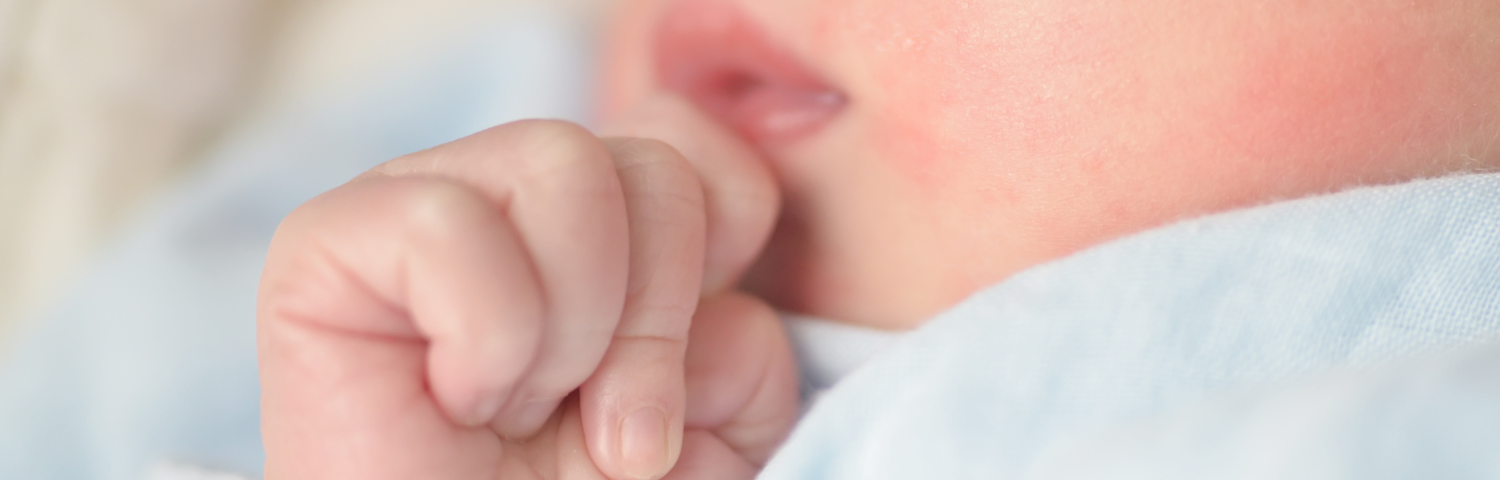
Allergy is a disease that affects both adults and babies, and the number of cases in the latter is increasing. In this post we will talk about the most common symptoms of allergy in babies and the types of allergies that can affect the youngest members of the household. Keep reading!
Allergy is an immune response, where antibodies are released. This overproduction can cause inflammation in tissues, such as nasal tissue, which is the most common.
It is very important to know that most allergies have a relationship with genetic inheritance, although the same does not happen with specific allergies.
Symptoms of allergy in babies
Allergies share many characteristics with a cold. However, there are several symptoms that will tell us whether our little one is suffering from an allergy:
- Persistent, watery nasal discharge.
- Continuous cough.
- Difficulty breathing and wheezing.
- Anaphylaxis. This rare allergic reaction causes severe inflammation in the airways, preventing the baby from swallowing and breathing normally. Anaphylaxis requires urgent medical attention.
- Eating and sleep disorders.
- Conjunctivitis. The eyes take on a reddish tone and eye discharge appears.
- Acute rhinitis. The nostrils become inflamed because of the allergic reaction.
- Swelling of the lips and eyelids.
- Atopic dermatitis. This rash occurs when an irritating substance rubs against the baby’s skin, causing itching and stinging.
- Eczema. These are red, scaly rashes that usually appear on the torso, arms, legs and even cheeks.
- Diarrhoea, gas, vomiting and other stomach discomforts.
- Irritability.
If your baby shows one or more of these symptoms, you will surely ask yourselves: how do I really know if my baby has an allergy?
To do this, there are medical techniques performed by healthcare professionals for allergy diagnosis, such as:skin tests and blood tests.
Types of allergies in babies
Babies can suffer from three types of allergy:food, seasonal or indoor.
Food allergies
Babies may have allergies to any type of food, and may even be allergic to more than one food.
The food products that cause the most common allergies are: dairy products (cow’s milk, yoghurts, cheese...), nuts (peanuts, walnuts, almonds, cashews...), wheat, cereals, pulses, fish, seafood, eggs and soya.
Featured products


The usual symptoms due to food allergies are:
- Stomach pain, diarrhoea, nausea and vomiting.
- Nasal congestion and difficulty breathing.
- Fainting.
- Cough and itchy throat.
- Rashes and swelling.
Seasonal allergies
Symptoms of seasonal allergy increase with the arrival of certain seasons, as they are linked to the pollen emitted by plants and trees.
The symptoms children present are similar to those of adults:
- Watery eyes.
- Nasal congestion, sneezing and itchy nose.
- Otitis.
Indoor allergies
Factors such as tobacco smoke, perfumes, mould and dust mites can trigger a series of allergies.
The symptoms are the same as those presented by seasonal allergies.
Prevention against allergy in babies
Among our recommendations to prevent as much as possible the appearance of these symptoms caused by allergy, the following stand out:
- Breastfeed the baby during the first six months. During this period, it is advisable to avoid the little one eating foods prone to causing allergies.
- Read the ingredients of products that we are going to use.
- Do not use carpets at home, especially in the room where the little one is.
- Clean the home frequently and avoid dust build-up.
- Avoid tobacco use near the baby.
- Become aware of the matter and learn how to react to a serious symptom.