Home / Blog / Nutrition and Dietetics / Proteins, Minerals and Vitamins for Joints
Proteins, Minerals and Vitamins for Joints

Last updated: 2/4/2025
· Published: 11/19/2020
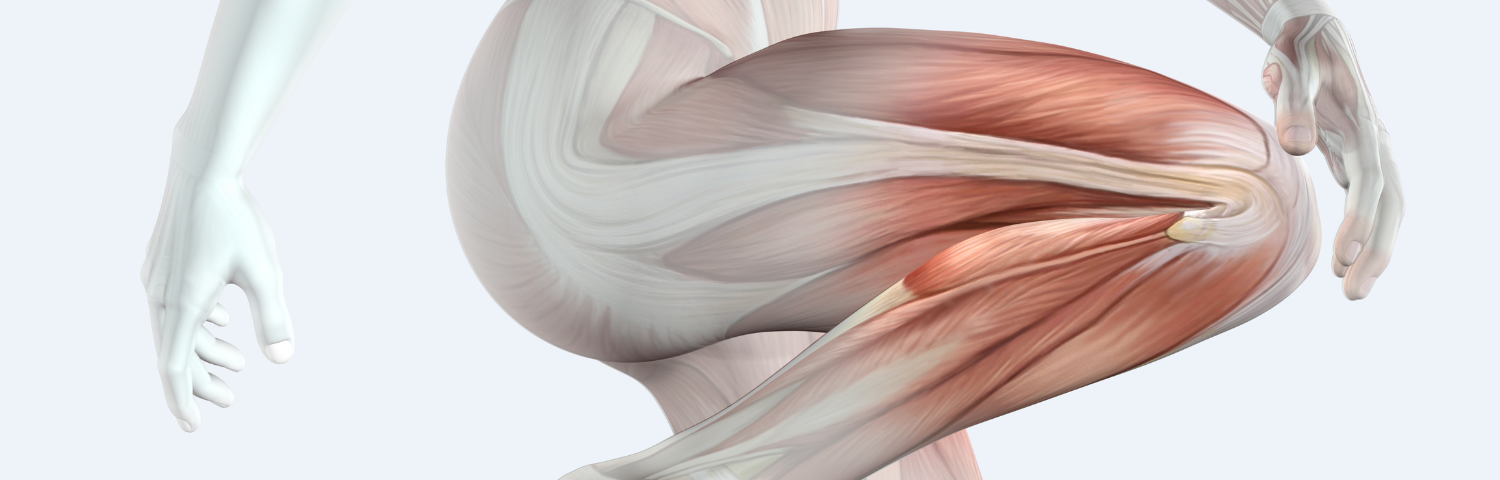
Jointsare made up of cartilage, soft tissues and synovialfluid, and they are especially supported by proteins and vitamins. If they are not in good condition, body mobility suffers. So which
proteins, minerals and vitamins are
good for keeping joints in shape ? Vitamins for joints
- When it comes to vitamins for bone and joint pain , some of the most important are vitamin A, vitamin C, vitamin D, vitamin E and vitamin K. Vitamin A is described as a major antioxidant and one of the most beneficial elements for caring for tissues, and it can be found in carrots, pumpkin, peppers, tomatoes, melon and sweet potatoes. Vitamin C contributes to normal collagen formation, which is essential for
- cartilage, while vitamin D helps maintain normal bones and muscle function. Vitamin E contributes to protecting cartilage, while vitamin K helps joint rejuvenation and the source notes evidence that a higher intake of foods rich in this vitamin may benefit people with osteoarthritis. Together, these nutrients can support a healthy routine for people who want to take care of their joints, muscles and tendons.
- Minerals for bones and joints Minerals such as calcium, phosphorus, magnesium, silicon and sulphur play an important role in the maintenance of bones and connective tissue. Calcium is found in oily fish, legumes and green leafy vegetables and, together with vitamin D, may help reduce joint pain. Phosphorus is present in cheese, seafood and eggs; magnesium in bananas, spinach and wholegrain cereals; and silicon in wholegrains, green beans, carrots and grapes. Calcium is essential for bone structure,
- while magnesium contributes to normal muscle function. In periods of greater wear, during ageing or when diet is not sufficiently balanced, a supplement may help complete nutritional intake,
- always as part of a healthy lifestyle. Proteins and collagen for joints Proteins are essential for the maintenance of tissues, whether they are vegetable or animal in origin, because they help rebuild damaged tissue. Collagen is one of the most common structural proteins in the body and is present in cartilage, tendons and ligaments. Hydrolysed collagen supplements are often used in routines aimed at supporting joint wellbeing. Some formulas combine collagen with hyaluronic acid, magnesium, vitamin C or
other nutrients to provide more complete support for joint comfort and mobility. When can joint supplements be useful? They may be useful in people who practise sport, older adults, people with high physical wear or those who want to support joint care from within.
However, if pain is persistent, intense or accompanied by
swelling, it is important to consult a healthcare professional.
- Healthy habits for joint care Maintain an active lifestyle with regular, moderate exercise.
- Follow a balanced diet rich in fruit, vegetables and quality protein. Stay well hydrated.
- Avoid sudden weight gain, as it can increase joint load. Use appropriate supplements only when needed and according to professional advice.
For joint care, the original article also recommends looking for active ingredients such as glucosamine and chondroitin, which help avoid bone friction and cartilage wear; collagen for elasticity and lubrication; hyaluronic acid for cartilage renewal; Boswellia for its antioxidant and anti-inflammatory profile; omega-3 to reinforce immune function; and MSM, present in some joint supplements. At Farmaciasdirect you can find products with proteins, minerals and vitamins for joints, designed to support bones, muscles, tendons and
cartilage as part of a complete care routine.
Pharmacy supplements for joints Within a complete routine, pharmacy joint supplements can provide nutrients such as collagen, hyaluronic acid, magnesium, vitamin C or vitamin D.
- These products do not replace a varied diet, but they can be useful
- support when nutritional intake is insufficient or when joints are under greater strain.
- It is also worth remembering the benefits of magnesium
Featured products


- , as this mineral contributes to normal muscle function and helps reduce tiredness and fatigue.
For this reason, it is often included in formulas aimed at muscles, bones and joints. Vitamins for muscles and tendons Joint wellbeing is closely linked to the condition of muscles and tendons.
Vitamin D contributes to normal muscle function, while vitamin C supports normal collagen formation for the normal function of cartilage and bones. This is why many joint formulas combine several
nutrients rather than focusing on a single ingredient.
Proteins are also important because they provide
- amino acids, which are needed for tissue maintenance. A diet with enough quality protein, together with regular
- physical activity, helps support mobility and functional independence over time. Joint pain and the menopause Some women notice more joint discomfort during the menopause. Hormonal changes can influence tissues, bone
- health and the perception of stiffness. In these cases, a healthy lifestyle,
- strength exercise adapted to each person and adequate vitamin D, calcium and
- magnesium intake can be useful support. Food and joint wellbeing
- Supplements can be useful, but they work best alongside a balanced diet.
Foods rich in quality protein, oily fish, nuts, legumes, fruit and vegetables provide nutrients that support general health Hydration is also important because tissues and help maintain an active lifestyle. Rest should not be overlooked either. and joints need adequate fluid balance.
Recovery after exercise and enough sleep help muscles and connective tissues adapt to daily effort.
- If joint discomfort limits movement, professional assessment is the safest
- way to identify the cause and choose the right approach.
- These nutrients should be viewed as
- support, not as a quick solution. The source also includes bibliography from Spanish rheumatology, nutrition, pharmacy and university sources on nutrition and joint health, essential vitamins and minerals for joints, and the role of proteins, vitamins and minerals in joint wellbeing.
- The best results come from combining diet, movement,
- rest and appropriate supplementation when it is genuinely needed.